• Activ Right Brain
  • About Dean
  • Designing The Future
  • Speaker
  • Keynotes
  • Blog
  • Art
  • Contact

activrightbrain

  • Activ Right Brain
  • About Dean
  • Designing The Future
  • Speaker
  • Keynotes
  • Blog
  • Art
  • Contact

Face Forward

The past 12 months have been out of this world. Quite literally.

When I began to tell our story at Sirius Technologies Inc., we took incredible steps creatively and technologically, but the thing that enthralled audiences – from one to one or one to a theatre or the rest of the world – was our mission. Impressive, ambitious, inspiring, and the potential outcome… revolutionary.

Any one point on Earth to another in less than 60 minutes.

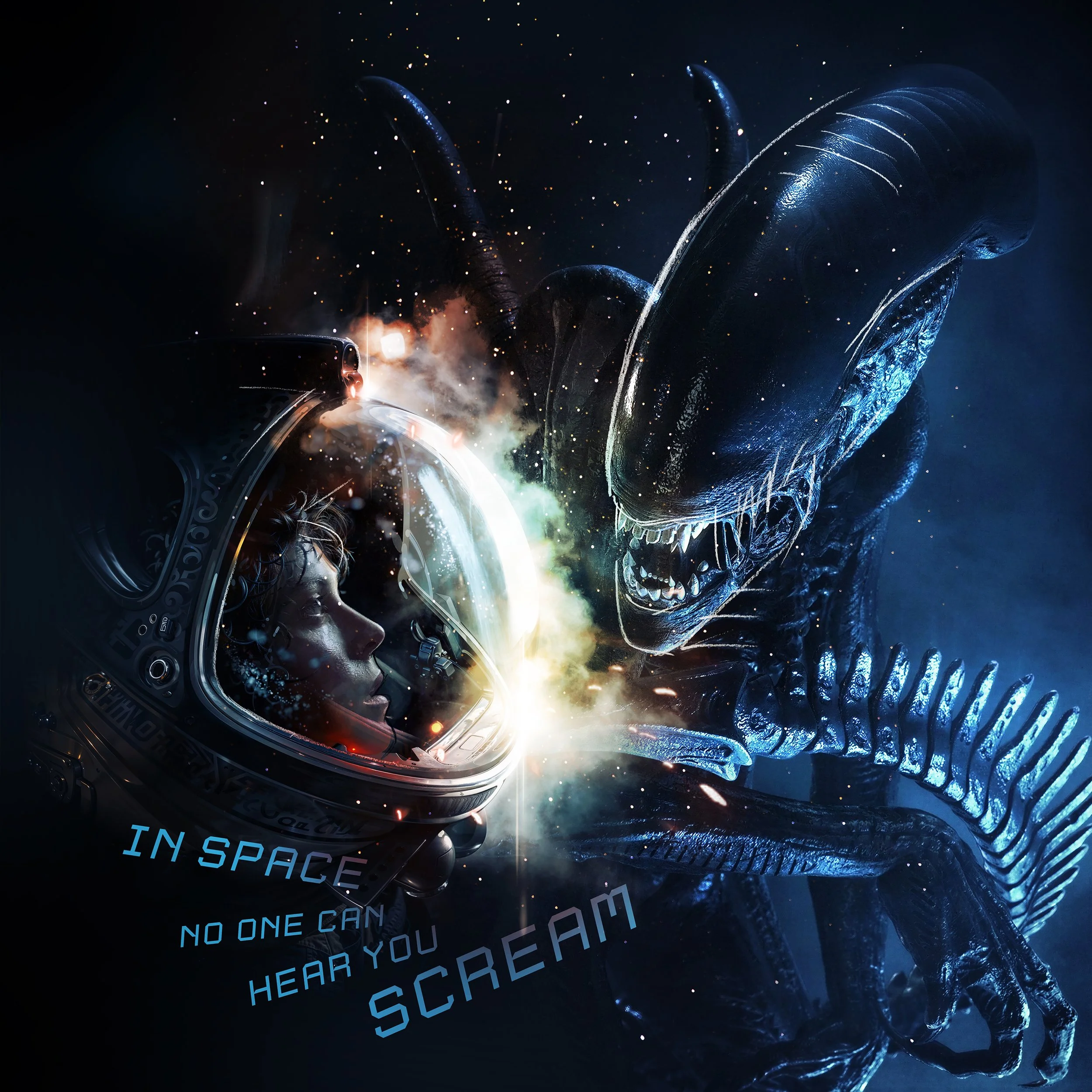
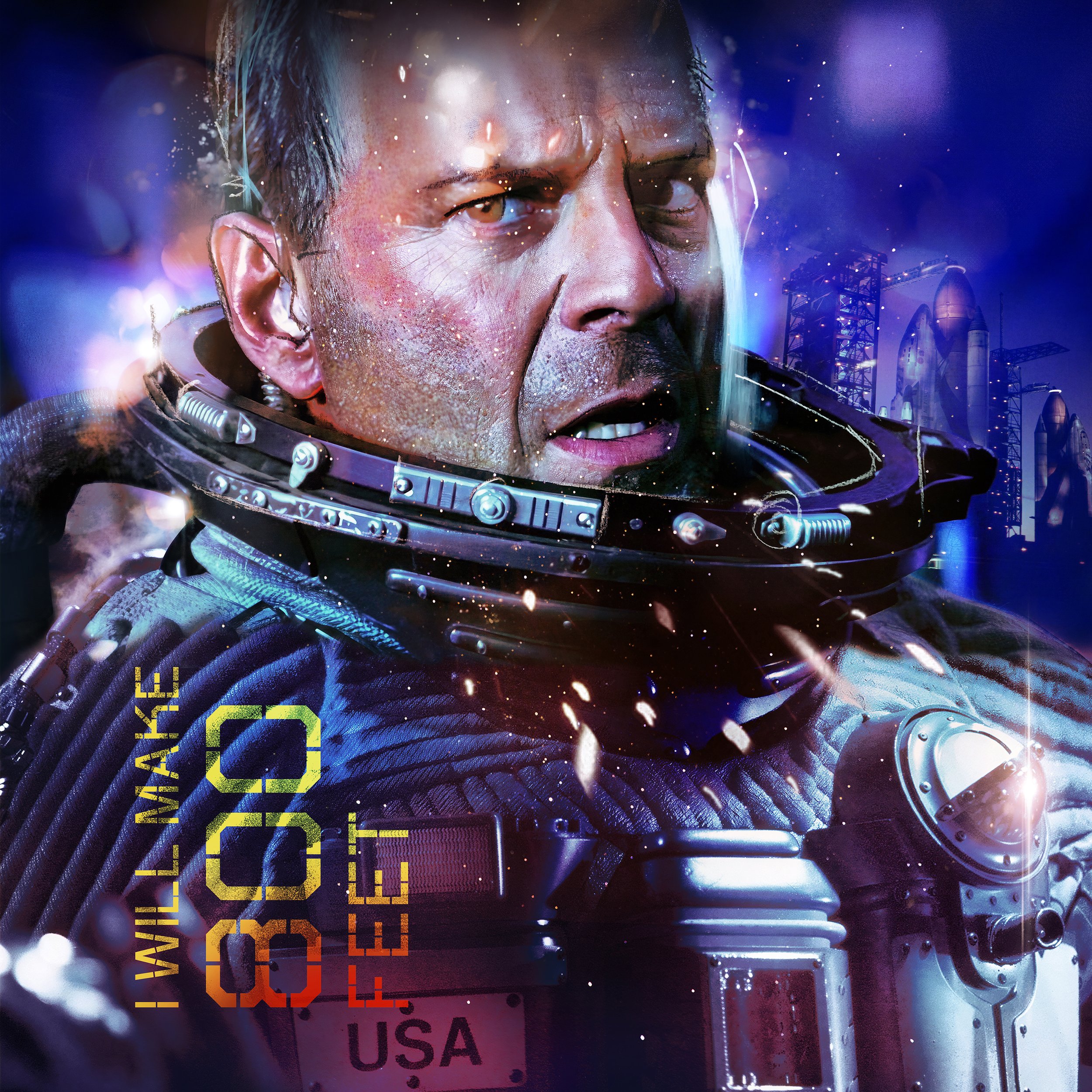
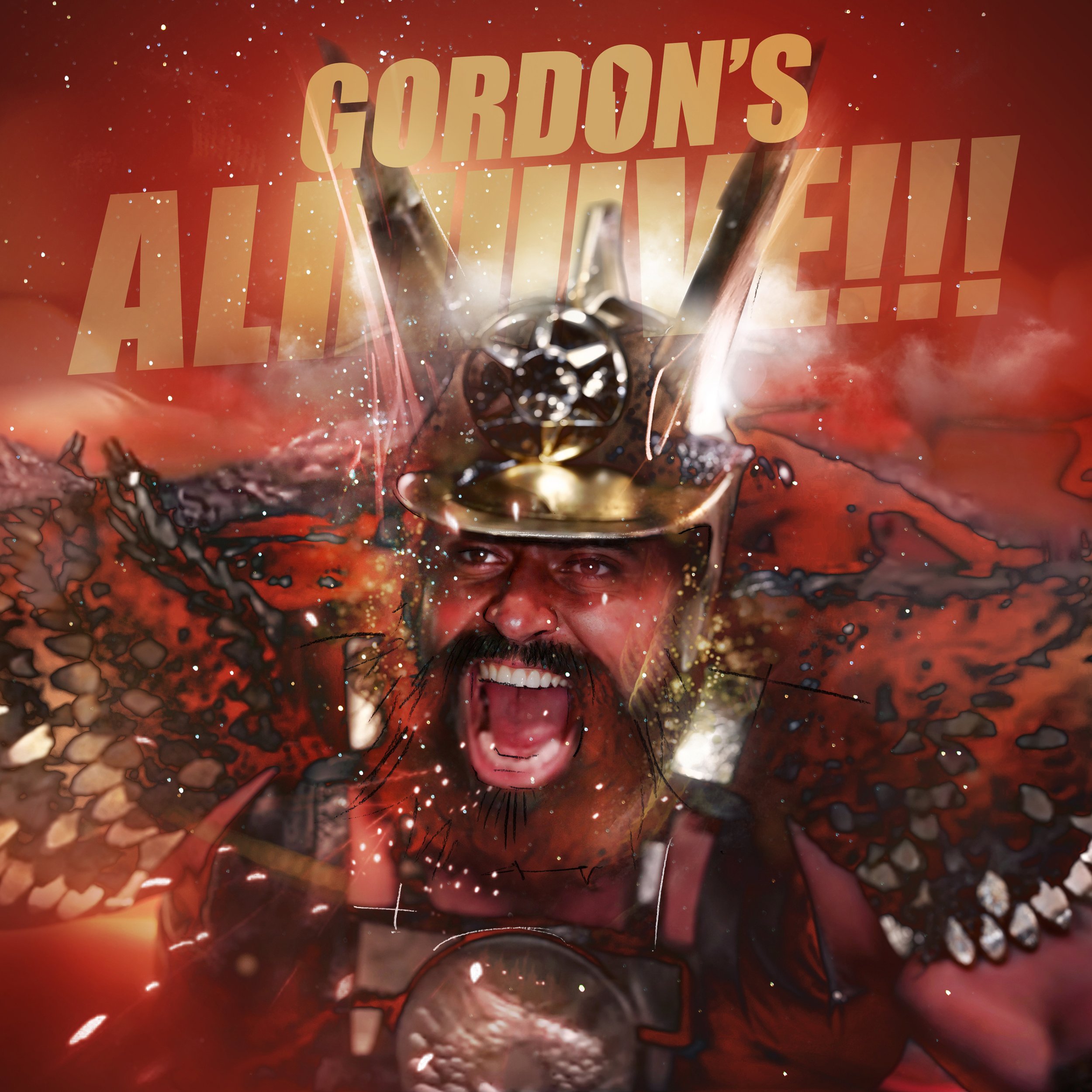
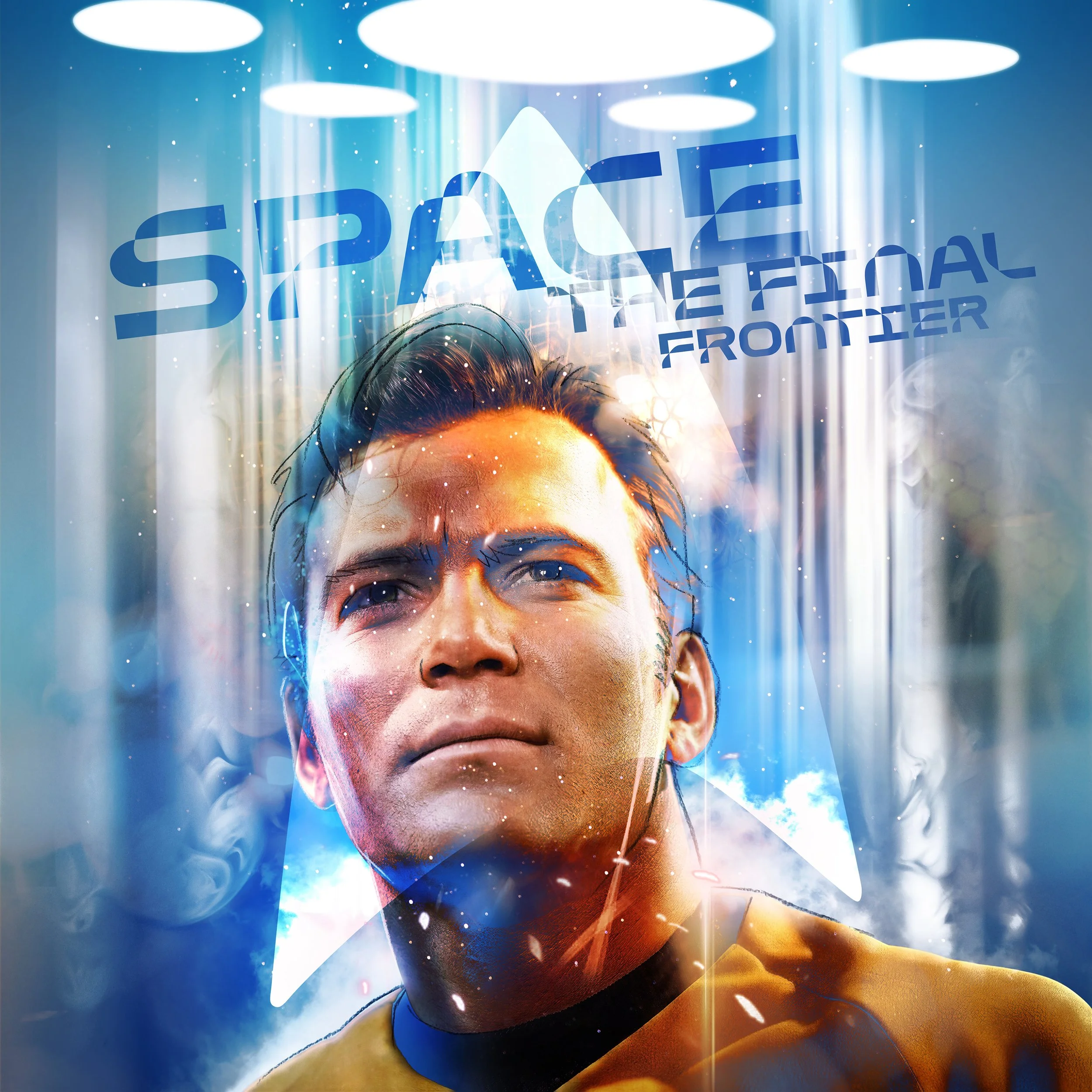
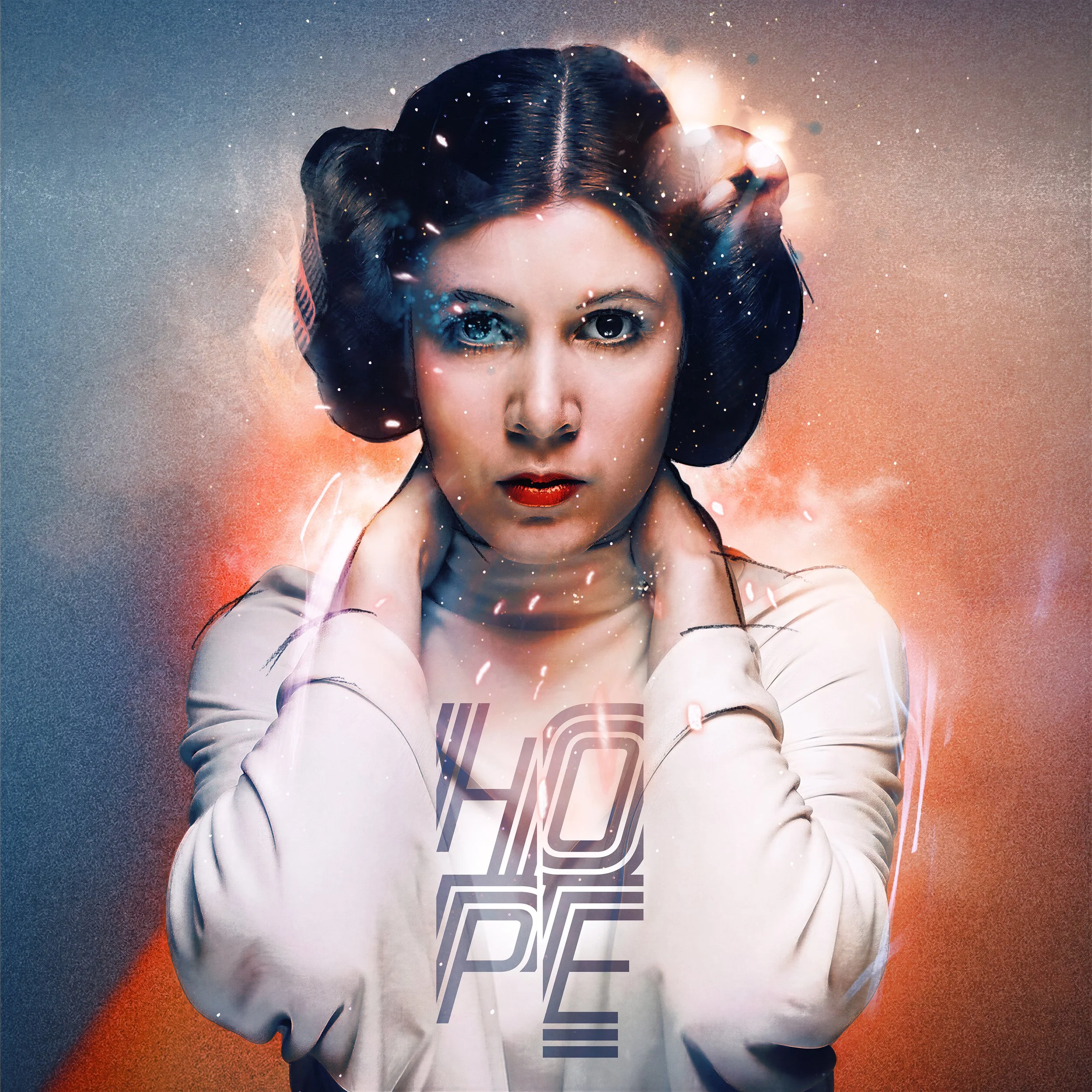
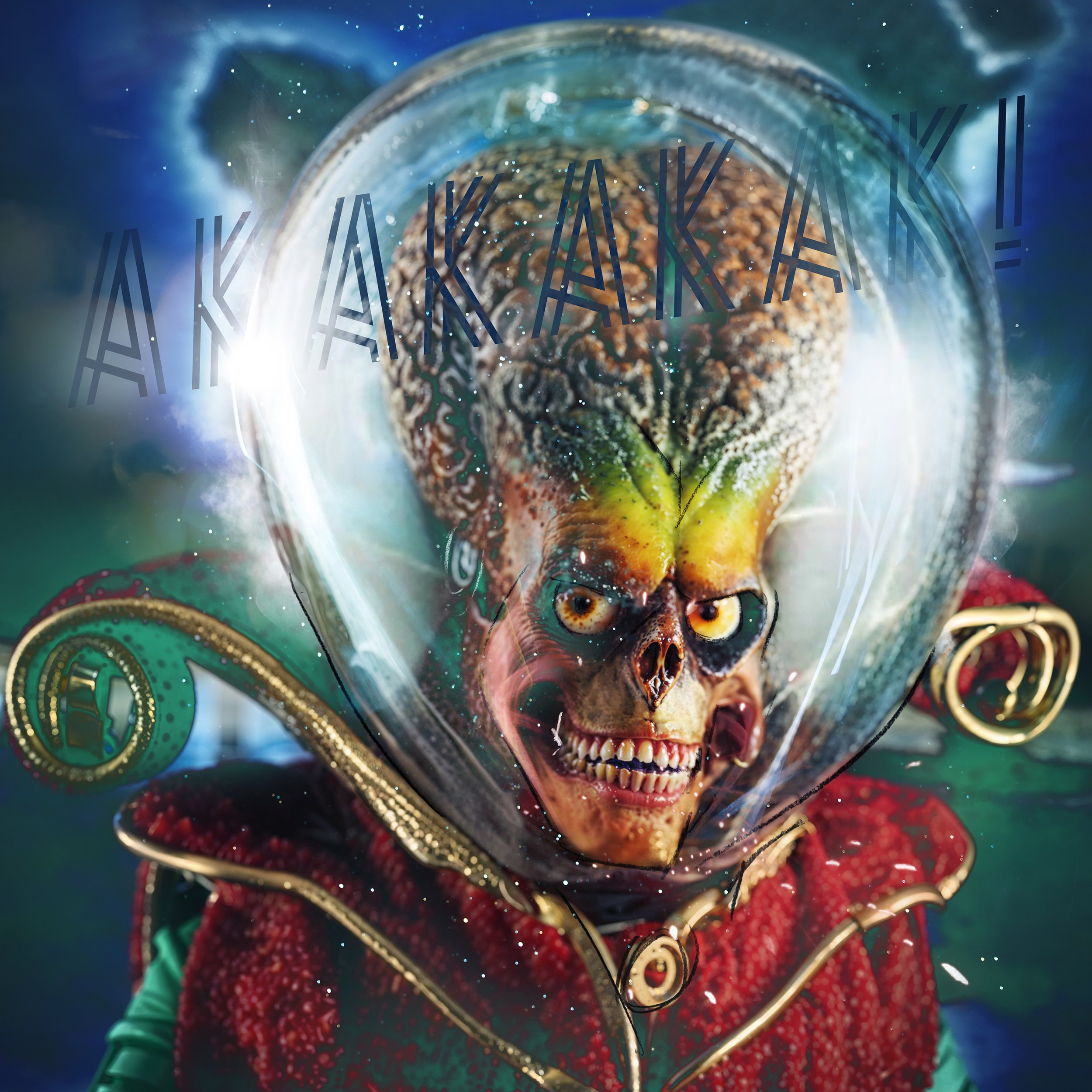
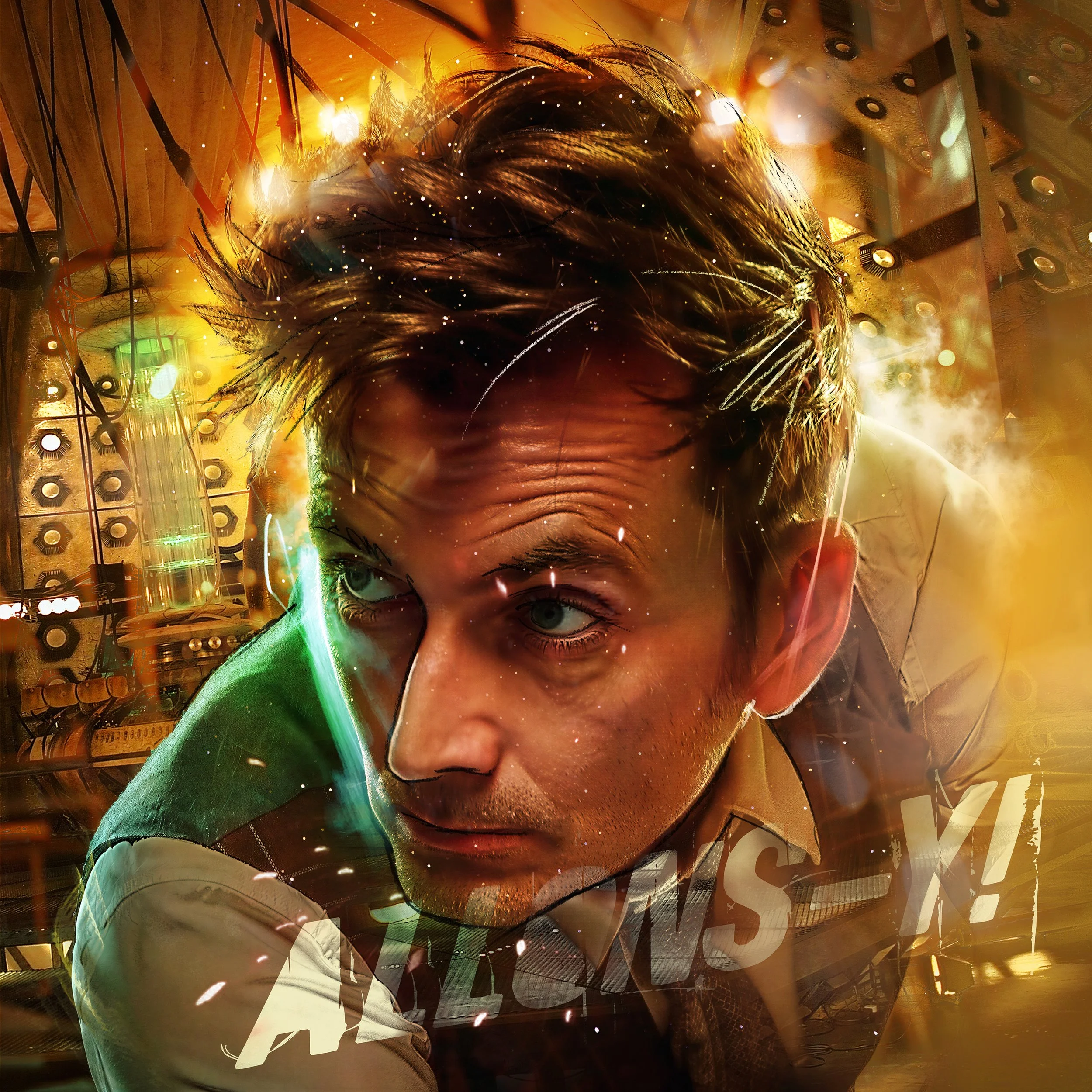
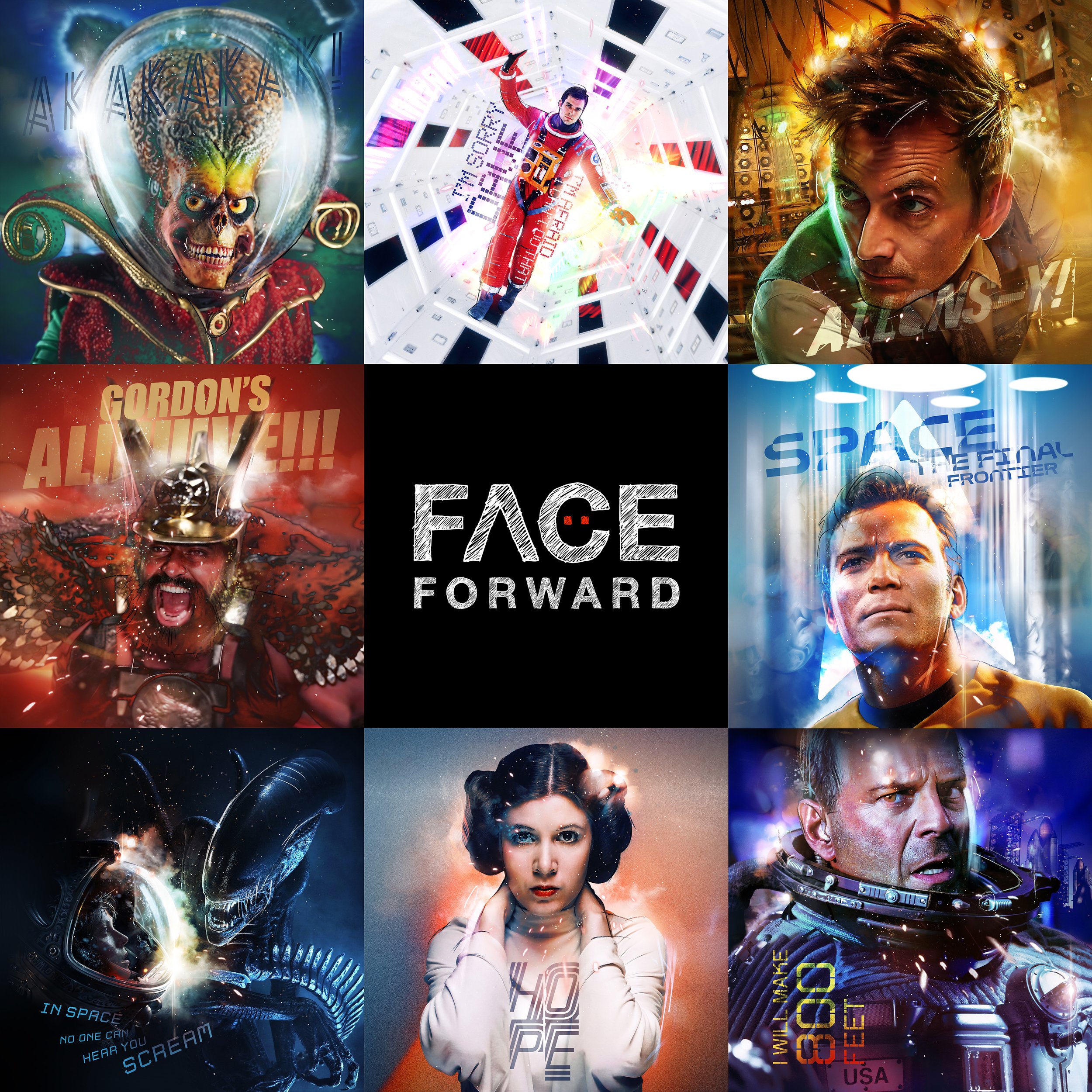
More on our science fact in another post. But first… meet ‘Face Forward’: My celebration of science fiction. An 8-portrait tribute to time and space in film and TV.

I have been bringing portraits to life for over 30 years, capturing the personalities, the souls and the magic of individuals or vehicles. Many larger than life, but all worthy of preservation in art form.

Here’s an interstellar showcase for gallery owners considering a new space-themed art exhibition as we head into 2026. The first 8 are ready for blast off!

  • Mars Attacks [Martian Ambassador – Himself]

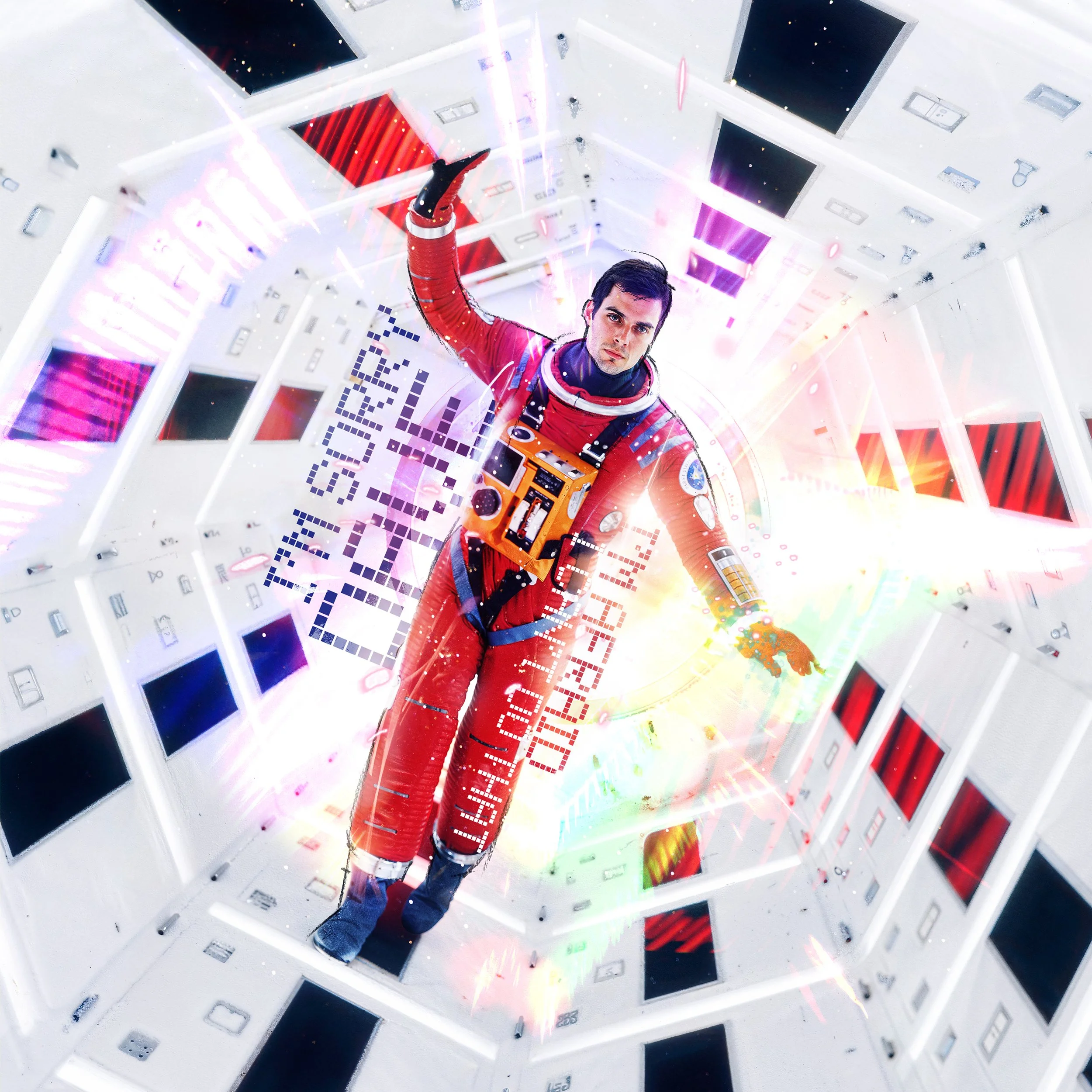
  • 2001: A Space Odyssey [David ‘Dave’ Bowman – Keir Dullea]

  • Doctor Who [The 10th Doctor – David Tennant]

  • Flash Gordon [Prince Vultan – Brian Blessed]

  • Star Trek [Captain James T. Kirk – William Shatner]

  • Alien [Xenomorph + Lieutenant Ellen Ripley – Sigourney Weaver]

  • Star Wars: A New Hope [Princess Leia – Carrie Fisher]

  • Armageddon [Harry S. Stamper – Bruce Willis]

2000andOne_LO.jpg
Alien_Twin_LO.jpg
Armagedd_ON_LO.jpg
FlashBrian_LO.jpg
Kirk_Out_LO.jpg
Leia_Layer_LO.jpg
MarsAttAkAkAk_SQ2_LO.jpg
Whovid_LO.jpg
2000andOne_LO.jpg Alien_Twin_LO.jpg Armagedd_ON_LO.jpg FlashBrian_LO.jpg Kirk_Out_LO.jpg Leia_Layer_LO.jpg MarsAttAkAkAk_SQ2_LO.jpg Whovid_LO.jpg
tags: Art, Design, Technology, Innovation, SciFi, Film, Movies, television, space, spacetech, StarWars, StarTrek, DoctorWho, TimBurton, Alien
categories: art, Design, Futurology, Illustration, Star Wars, Television, time travel, SpaceTech, Aerospace
Monday 12.08.25
Posted by Dean Johnson
 

Rebel With A Cause: THE Conversation

I have a story to tell, about being a Rebel With A Cause. But when it’s a story of space exploration, time travel and magic and art and immersion, I was never going to take a conventional approach. I’d love you to experience it.

Some of the greatest conversations I’ve had with Monty Munford have occurred around a dining table, over drinks at the Century Club, or in the back of a cab. Monty has lived a life of adventure and ridden the tech rollercoaster. As a straight-talking industry leader, risk-taker and Gamepay CSO, he’s more used to interviewing Steve Wozniak, John McAfee or Kim Kardashian, but we sat down to talk freely about design, tech and innovation, the people that matter and the direction it’s all taking. We’d love you to join us.

As we talked about the past and present, conversation naturally turned to our virtual future. We want evergreen content to live on in the Metaverse – it’s why Matt Littler of Analog Films shot all three episodes in VR, so we could offer the experience of sitting with Monty and myself, not simply watching from behind a screen.

The stereoscopic 3D footage was all shot on an Insta360 Pro II camera, with ambisonic spacial sound, surrounded by the visual feast of Bittescombe Lodge in the heart of the English countryside. This luxury location offers an incredible mix of traditional and contemporary design, reflecting the nature of our conversation and my roles as President Elect of the Chartered Society of Designers, Artist, Adviser, Mentor and Ambassador for numerous startups and creative organisations.

I make the point in our conversation that many new forms of technology don’t replace those already in existence – they compliment and extend the experience, rather than make any one platform obsolete. So naturally, this series exists in a conventional video format too, as well as the written words below.

Each platform offers its own unique content, so I hope you’ll enjoy the jetpack moments expressed on each.

Speed Up For Traffic Lights

Episode 1: The Present

We all have words to live by, even if most aren’t aware of the exact phrase that gets us out of bed in the morning, we’re acutely aware of a war cry to get shit done, or die trying.

I’ve always had a fascination with time, be that the potential to travel – physically or virtually – backwards to relive, alter or learn from our past or head to the future for a glimpse of our destiny or alternate realities existing in parallel to our own.

This in turn has given me an appreciation for just now precious time is. In the words of Louis Armstrong “we have all the time in the world” – yes, but we still wish for more or discard what we already have.

How often have you found yourself behind someone approaching traffic lights and they begin to slow down, anticipating a red when they’re still on green? This defines the character of a driver expecting the worst outcome, it’s a negative mindset.

And this is exactly why I hit the accelerator when I approach a green light, pre-empting the positive and effectively engaging my own time machine. Imagine how many precious minutes each year are gained from not sitting at a red light. Time gained, pulse raised and positivity reward unlocked (almost) every time.

Those life-affirming words can be distilled into the phrase “Speed up For Traffic lights: Bank on Green Not Red”.

My mindset isn’t something developed from a group of inspirational business leaders and entrepreneurs. No, my Dad instilled the ‘Power of Positive Thinking’ in me – his very own words to live by.

Sadly, we lost Dad to COVID in 2021, just 5 months before his 90th birthday. But those words live on as the inspiration for mine.

Episode 2: The Past

One of the most disappointing things in life is knowing when an opportunity has been missed. When connections fail to meet. When a message falls on deaf ears.

I would rather apologise for something awesome than ask permission for something lame – that’s been my attitude throughout my first 50 years. Never settling for average when exceptional is achievable.

So, for me it’s always been about telling the right story in the right place at the right time. If any of those three key ingredients are missing, it all falls down. It’s no use if your timing is perfect if you don’t have the right thing to talk about or the words, images or experience fail to materialise.

I believe in magic. Not Harry Potter, but the application of science to deliver the unbelievable. The unexpected creates impact, impact makes people sit up and take notice, and once you have their attention, you need to deliver on the promise.

Magic without substance is just vapour. It’s why I appear on stage shooting fireballs – but they serve to illustrate the challenge for contemporary marketing. Offering an audience a glimpse of IronMan’s inventory – be that full-body haptics, bionic shoes or the infamous flame-throwing – they all form part of a narrative and demonstrate technological collaboration. They also break with the expected structure of a keynote, disrupting ‘the feed’ and stopping an audience in their tracks.

It’s easy to form an opinion based on someone else’s opinion. That’s why global conference stages are full of people that Google their topic and deliver the search results via Powerpoint. I’m proud to be able to put my money where my mouth is and say “I’ve been there and done that”, giving weight to my opinion – even when my advice is to learn by my mistakes and follow a different path.

This attitude helped me deliver the first iPad app and Apple Watch apps on the days those products launched, create one of the first multitouch iBooks, spend 48 hours in Virtual Reality, work end-to-end with mobility brands (inside and outside the vehicle) and paint portraits of Michael Douglas, Anthony Hopkins and Chris Eubank, then getting under the skin of NFT art – as an artist! I’ve been honoured to work with legends of the music industry, motorsport heroes, stars of the silver screen and help relaunch the Star Wars franchise.

If you don’t know it can’t be done, you just find a way to do it. Like when people find super strength to lift burning cars, we all have our own superpowers.

There’s so much more that sits under NDA for now, but I’ve also been taken at gunpoint in Beirut, smuggled into Bosnia in the boot of a car, had security remove me whilst dressed as Captain America, nearly filmed one Presidential inauguration in VR and lost another Presidential client following their assassination! But that’s for another day…

Episode 3: The Future

As an Artist, Designer, Technologist and Innovator, I’m more excited about the prospect of designing the future than ever before. The tools we have at our disposal are undoubtedly powerful, but humans tend to switch off from the technological white noise. When brands like FaceBook (now Meta) don’t simply talk about Virtual Reality – they also offer it AND paint a picture of their view for its future, consumers sit up and finally take notice.

Although I’ve been deeply involved with the Metaverse for the past decade, it’s a tough sell when you’re flogging a dream without an audience. For Virtual and Augmented reality to succeed, these technologies have to provide escapism AND familiarity. The experiences must be top-shelf and immediately accessible.

However, the most important area of focus for the Metaverse – and any new technology – isn’t a digital environment, it’s the physical world around us.

We all return to reality so we need a reason to plug ourselves in to begin with and inspiration to achieve more when we return. My 48 hour VR immersion in 2017 made me appreciate reality far more than the virtual because we haven’t laid the foundations for the Metaverse yet, let alone started building the dream.

Look up. From your desk, from your screen, from your device, from your LIFE. It’s the equivalent to an artist taking a step back from their work and gaining perspective.

So, I ask you… are you a Meta Offsetter? For every virtual idea you have, think of another in the real world. It’s like planting a tree for carbon neutrality, but one reality doesn’t defeat the other. Instead they co-exist, with each platform adding value rather than forcing a choice or making something obsolete.

We all need to take a breath, it’s a process I’ve always valued. That moment of peace, allowing us to reset mentally and physically and return stronger and more focused than ever.

I haven’t had that since my Dad died on February 5th 2021. Since I held his hand and said goodbye with the promise that I’d make the next 12 months mean something.

So here I am on 22 / 02 / 2022. Ready to write the NEXT chapter.

A Brief Discovery of Time Travel: Dean Johnson and Monty Munford IN the Metaverse

Immerse yourself in the full VR experience via your headset of choice or 360º on-screen exploration as Monty and Dean take a deep dive into the potential for The Metaverse.

[For best results, open in the YouTube app on your preferred platform]

tags: Monty Munford, Dean Johnson, Metaverse, The Metaverse, NFT, crypto, cryptocurrency, Bittescombe, Bittescombe Lodge
categories: art, Artificial Intelligence, Augmented Reality, Automotive, Books, Business, cars, Connected World, Design, Digital Publishing, Futurology, Gadget, Innovation, Mobility, Motivation, Television, time travel, Virtual Reality, Wearable Technology, Metaverse
Tuesday 02.22.22
Posted by Dean Johnson
 

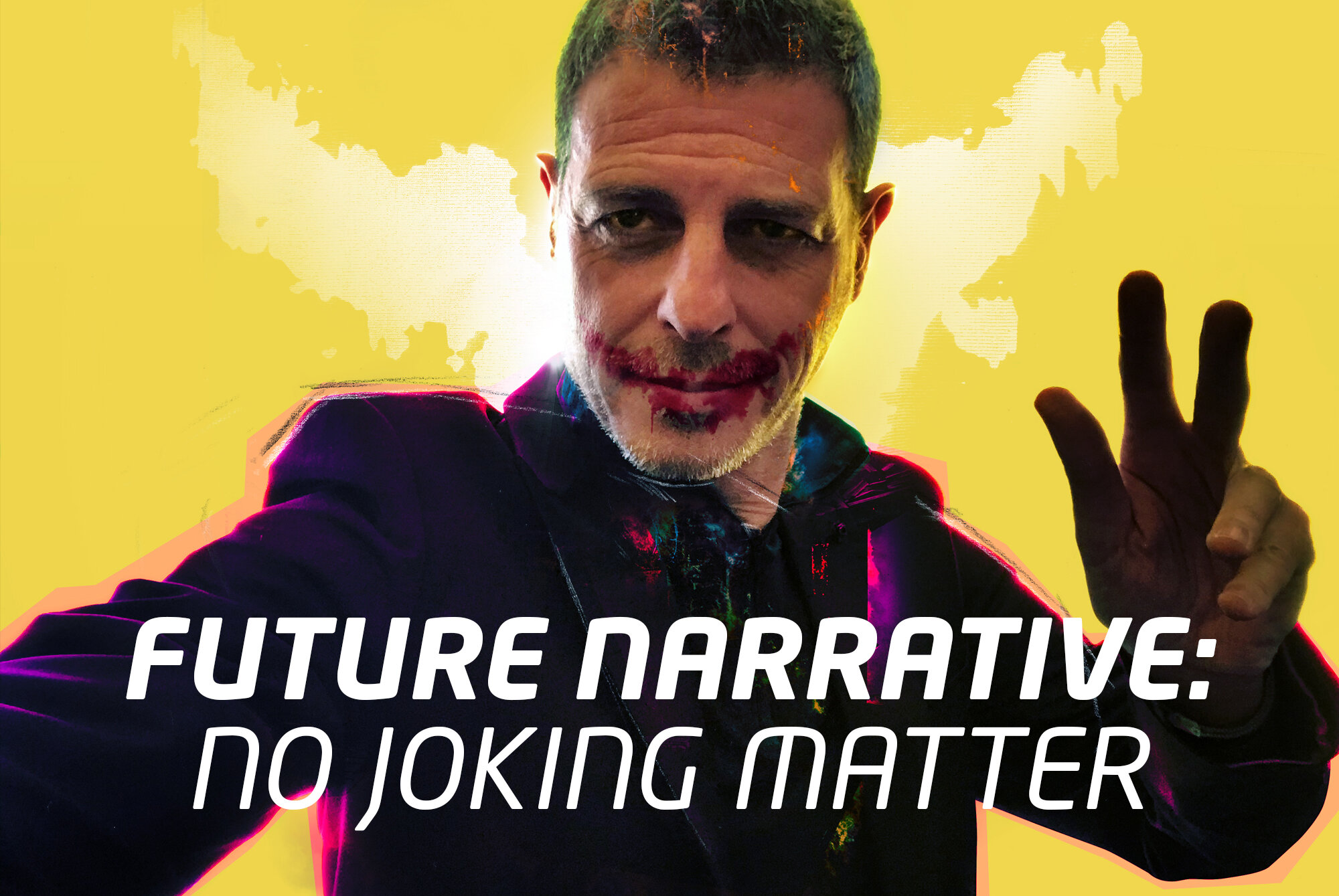
Future Narrative: No Joking Matter

The book is dead, long live the book! The film is dead, long live the film! Attention span is dead, long live social! I could go on, but no genre would be dead and no new platform is without its merits.

No Joking Matter.jpg


I watched the movie ‘Joker’ at the cinema last month. Yes, the cinema. Another one of those outdated platforms that apparently no one considers any more. The two dimensional film, shown in a darkened room with zero distraction or interaction was a masterpiece of storytelling. I respected the creative content – written and directed by Todd Phillips, memorably performed by the film’s sole lead – Joaquin Phoenix, and there was no denying the impact of the powerful cinematography and the dark oppressive soundtrack. But I didn’t really enjoy it.


And that’s my choice, it’s everyone’s choice. I love the beauty of narrative, the long winding journey it can take each and every one of us on. No matter how a film, TV series, book or play is presented, they are open to personal interpretation and what you as an individual take away from them – like art, because that’s what they are. A living, breathing art form.


Some have said Joker is not a superhero movie. I beg to differ, because it features Batman’s nemesis – The Joker – and Batman himself, albeit in the pre-superhero guise of a young Bruce Wayne. Many have insisted the film is about mental health. Yes, it tackles this issue by default because the central character is deeply psychologically disturbed – but he’s hardly the poster boy for mental health awareness. Unless everyone currently jumping on this particular bandwagon is suggesting individuals with ‘issues’ end up like Arthur Fleck – a delusional gun-toting, knife-wielding homicidal maniac?


If cinema isn’t broken, how do we approach future narrative? In 2018 the global box office was worth over $40 Billion and has increased year-on-year for over a decade. It shows no signs of stalling, with ‘Avengers: Endgame’ taking $2.8 billion in cinemas – a new all-time high. Is ‘Star Wars: The Rise of Skywalker’ set to round off the decade with the highest earnings ever?


This leaves future platforms with a tough fight on their hands when trying to convince marketing teams to invest their money in untried and untested technology. When you include home entertainment revenue, the global film industry is worth an additional $100 billion, so audiences are spending a lot of money viewing content on other devices too.


This figure naturally features TV sets, smartphones and tablets. For future audiences this will undoubtedly include VR headsets, AR glasses and autonomous vehicles.


The thinking behind the latter is illustrated by Renault’s 2017 acquisition of a 40% stake in the Pedriel Group, the publishing house that produces the weekly business magazine ‘Challenges’. They clearly recognise the future potential for published content within self-driven mobility. If we’re not absorbing written or audio material, the car interior will offer a multitude of digital surfaces to begin, continue or conclude the narrative of film and TV viewing. Are you all ready to Netflix and chill as your car makes all the decisions for you?


However, future platforms aren’t simply there to provide the same type of material but on a different device. They will inevitably offer this, but where they excel is in adding value. In its simplest terms, a smartphone can provide second screen conversation – leveraged by shows such as BBC’s ‘The Apprentice’ or ITV’s ‘Love Island’ and ‘I’m A Celebrity’ across social channels to drive conversation and generate further awareness and reach.


Others championing new storytelling are Nesta with their ‘Alternarratives’ challenge and Ford’s Developer Programme, looking to innovate the future of the car with ‘Music That Moves You’ in partnership with Capitol Records – leading to some amazing potential for storytelling around music artists and genres.


Many Futurologists or Tech Pundits will talk the talk without ever having walked the walk. I have been fortunate to push boundaries my whole career and with some amazing clients including Warner Music Group, Disney, Apple, BBC, Scientific American, Smithsonian Enterprises, Renault, Pottermore, Guinness World Records and Mark Staufer’s ‘The Numinous Place’. Together we have explored some of the possibilities for future narrative. There are many more to come.


All new forms of digital and physical storytelling should be explored as we don’t yet know where they will lead us. The impact of horror in a VR headset. The ability to bring elements of a story to life seemingly in the world around us through AR. To use Artificial Intelligence to extend and personalise narrative. All have enormous potential for a diverse cross-section of audiences, but they don’t offer replacements, they provide depth, understanding and new creative challenges.


I’ve said many times before, if the opinion that all narrative evolves into something else held water, this would have left books, radio and theatre dead long ago. They’re far from that. In a world of digital depth and diversity – they’re actually flourishing because they bring the focus back to great storytelling.


Without that story and an engaging narrative we would live in a world of meaningless words swirling past us in a fleeting moment, we have Facebook for that.


Despite what you may have been told, the future of narrative isn’t about the technology that surrounds us, it is about the thing right at the centre of everything – the human. If you never lose that focus, you’ll never lose your audience.
tags: Joker, Joker Movie, The Joker, Batman, Movie, Movies, Film, cinema
categories: Artificial Intelligence, Augmented Reality, Automotive, Books, cars, Connected World, Digital Publishing, Futurology, Innovation, Mobile technology, Mobility, Music, Publishing, Social, Television, Virtual Reality
Sunday 11.10.19
Posted by Dean Johnson
 

#CES2016: The Year of VR. Again

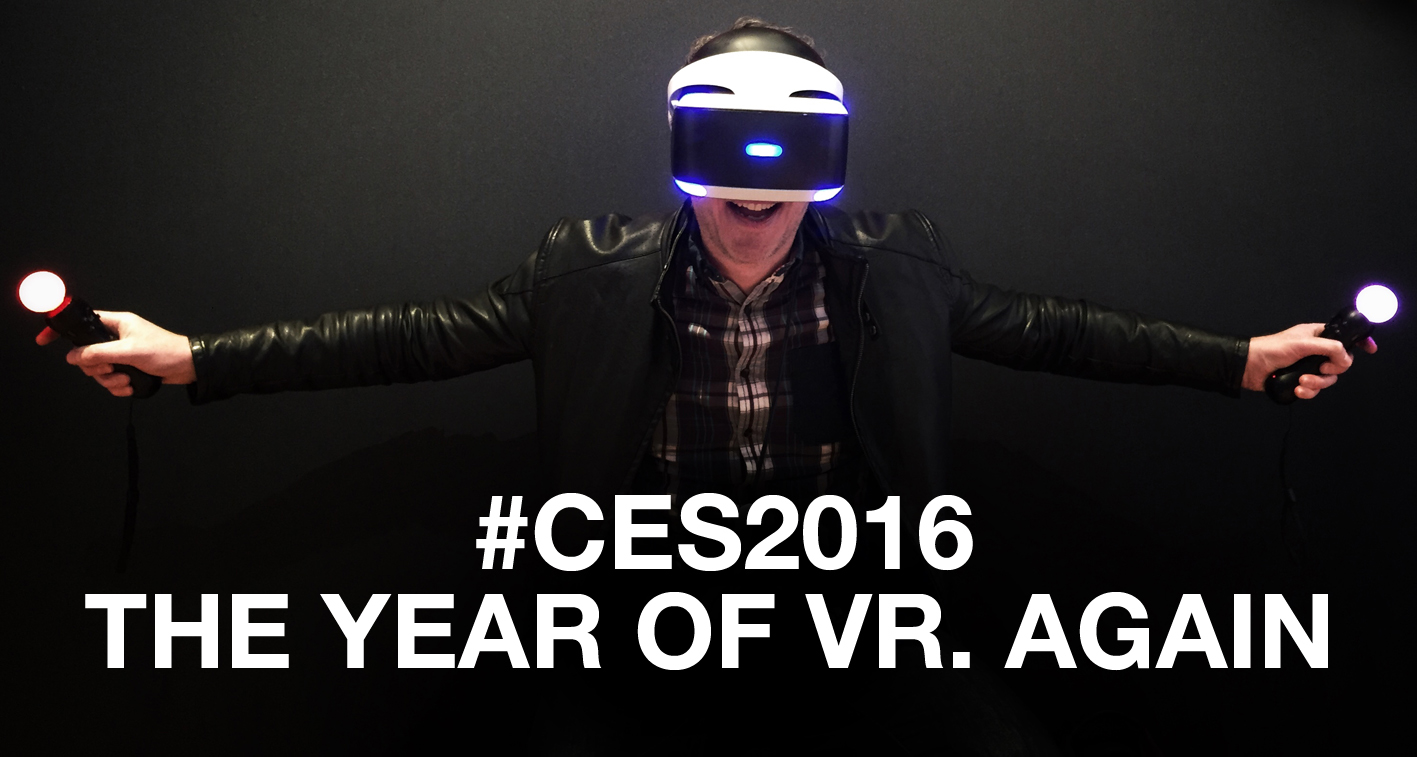
In 2015, CES headlines were all about ‘The Year of Virtual Reality’ with many of the big (and small) names turning up to the annual Vegas tech pilgrimage touting consumer-ready VR headsets. Only Samsung delivered on the promise, so what happened to the rest?

Oculus held a press conference just before G3 to reveal their final Rift, Sony changed the name of their Morpheus headset to Playstation VR (or PSVR) and HTC postponed their 2015 Vive launch because they’d made a ‘major’ breakthrough. Good on HTC for holding on for a better product, because it’s well worth the wait, the Vive Pre is stunning. The Void broke ground on their first VR theme park in Utah and it’s mightily impressive, but won’t open until later this year.

I’ll also have my hands and eyes on the latest Sulon Cortex this week – but more on that when I’m allowed to tell you…

So here we are again with the usual question being asked “what’s big at CES?” Thanks to the Rift pre-order floodgates opening today, Oculus has ensured It’s VR. Again.

CES has also brought us a raft of 360º cameras (although not all ‘proper’ stereoscopic VR) including the Vuse, the Allie, Nikon’s new KeyMission 360 and Samsung’s Project Beyond. Again.

If we ever have a conversation about Virtual Reality, you’ll soon discover my views cover the extremes and there’s no fence-sitting. I love and will enthuse about the platform’s incredible potential yet have a rather negative view of some of the industry leaders, because some aren’t leading in the right direction and many aren’t pushing hard enough.

Having produced 360º videos for years doesn’t make you a marketing expert. Building great games doesn’t mean you’ll produce stunning VR experiences. The new frontier of VR studio production requires a diverse skill set and a unique understanding of how your audience will view and react to your content, not just how they’ll discover it.

If you stumble upon anyone carving themselves out a career as a VR movie mogul and they’re telling you THE future of film is VR, they’re doing more harm than good. It’s A future and a damn exciting one but claiming all films will one day be viewed in a VR headset with full 360º immersion is naive at best, chronically damaging at worst.

Think of all the movie classics that just don’t need enhancement. They’ve been brilliantly acted, superbly scripted and skilfully edited and that requirement should never go away because the film industry is a wonderful machine. Full VR would not only be cost-prohibitive but damaging to the backbone of the industry – focused storytelling.

No, I haven’t gone all retro on you, I’m not rebelling against the new Virtual world. We need to add value to really make the good stuff great. If everything is VR then it becomes white noise and loses its impact, much the same as the misplaced marketing prerogative of turning every website into an app – that just gives fuel to those that still think the app is dead.

VR is at its most powerful when pushing boundaries, offering the chance to experience the unexperienceable (that’s a word, right?)

Take the storming of Omaha beach in Saving Private Ryan, the Jakku Millennium Falcon chase from The Force Awakens or the thick of the boxing action in Southpaw, Raging Bull or Rocky 27. VR will live or die on its financial relevance to studios. It’s unrealistic to shoot an entire blockbuster but a D-Day beach scene or a single round of boxing become invaluable marketing tools for a cinematic release and an essential added extra for the digital home download. Add episodic storytelling then suddenly you’ve tapped into the micro-payment and subscription models contemporary audiences are comfortable with.

In the same way that we went through a phase with visionary publishers claiming all future books would be interactive, we’re already facing the same issue with VR. Yes, some books obviously benefit from the bells and whistles (Brandwidth’s Doctor Who Encyclopaedia and The Doors apps or our Maleficent and Saving Mr Banks iBooks are perfect examples) but for many, the reading experience needs to be just that – words and images, digested in much the same way they always were, for the same cost. But certain properties deserve more. I received an email last week via the CES Press Portal claiming the ‘real’ sex industry will always be better than ‘holographic 3D porn and teledildonics’. That may well be true, but the VR porn industry will still be huge!

To say VR is the headline act at CES is a little misleading, there’s AR too. Augmented Reality has the potential to hit an even larger demographic than the Virtual variety, simply because the audience doesn’t need to shut itself off from the outside world. The main reason I’m more excited about VR is we’ve had AR on our phones and tablets for years – even desktop PCs and laptops equipped with a camera have been able to display augmented content.

New headsets such as Microsoft’s Hololens have reignited the augmented conversation (and investment frenzy) and Google’s second attempt at Glass appears to be just around the corner, even though this isn’t actually AR but an info overlay within a single screen. Impressive tech nonetheless, but not what we’re talking about here.

If you’re losing patience waiting for the new hardware to turn up and you want to see AR 2.0 in action, grab an ODG headset – it works and has had years of development time and budget. If it’s good enough for NASA and the US ‘three letter agencies’, then it’s certainly robust enough for consumers.

2015 may not have delivered VR and AR as promised, but the potential for 2016 has never looked more real.

tags: VR, Virtual Reality, AR, Augmented Reality, Oculus Rift, Rift, Oculus, HTC Vive, Sony Playstation VR, Playstation VR, PlaystationVR, PSVR, Samsung GearVR, GearVR, Gear VR, wearable tech, wearables, CES, CES 2016, #CES2016, Vegas, Las Vegas, Microsoft HoloLens, HoloLens, ODG, Vive Pre, HTC Vive Pre
categories: Apps, Conference, Gadget, Innovation, Mobile technology, Television, Virtual Reality, Wearable Technology
Wednesday 01.06.16
Posted by Dean Johnson
Comments: 1
 
Newer / Older

Designing the Future