Actually, we’ll get back to the headline in a minute. For now, let’s talk about techs. Rolling into 2018 and everyone is asking the usual question – what’s the next big thing in tech? An easy answer is Artificial Intelligence, but ironically it’s not an intelligent answer, because it’s the wrong question.
AI will deliver unprecedented pace of engagement, hyper-accelerated data management, offer decision-making services, freeing human brain power to do what it does best – add personality, creativity, strive for success and push boundaries.
But it isn’t answering a question that needs to be asked right now. Those of us that ‘make stuff’ – either physically or virtually – and provide more than a service find ourselves delivering an experience, heightening sensations and making us all feel better as humans – even if only for a second, we’re asking the most important question – what’s the next big platform?
It’s mobility. Not just cars, it’s bigger than that. This is a platform that has history, heritage and a solid technological background, so it doesn’t fall at the first hurdle.
The automotive industry has spent forever telling an audience (drivers) that they can’t be distracted from their main objective – driving. This hasn’t been an opportunity to sell, as with most ‘platforms’ or deliver information overload. We have specific data to process when a vehicle is on the move – speed, obstacle avoidance, range and comfort and little beyond.
Although systems are already being integrated into the latest generation of cars, most visual information is still processed by us and acted upon in the most appropriate manner.
Entertainment has come in the form of audio-only broadcast or playback and nothing can encroach on our main focus. The industry is about to experience seismic activity.
With the introduction of the autonomous vehicle this ALL changes. From zero distraction to channelling the outside world. All of it.
I’m in the fortunate position where I get to test a lot of emerging technology at a very early stage. It makes a fundamental difference when you experience the future, rather than simply read about it. Take it from me, if I’ve been hands-on, I will tell it like it is – not just a sanitised relaying of the facts, but how we’ll feel physically and emotionally about what’s around the corner.
I’ll write a lot more about mobility as a platform as we deliver it in 2018 and beyond, but back to that headline…
If the car moves from a focused driving environment to an empty vessel bursting with promise, how do we fill our time and fulfil our potential? Well, you tap into the obvious first – social comms, localised information, entertainment (movies, music and gaming) and deliver the mobile office. But it’s in moving beyond this where we really tap into the benefits of a controlled environment.
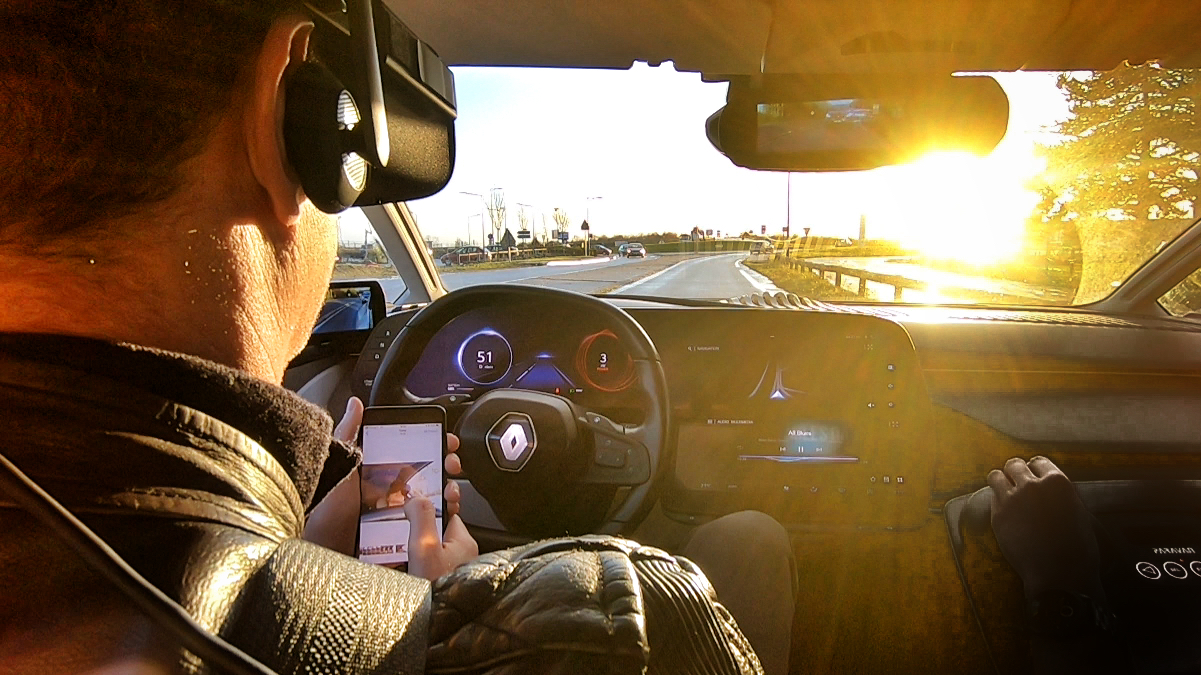
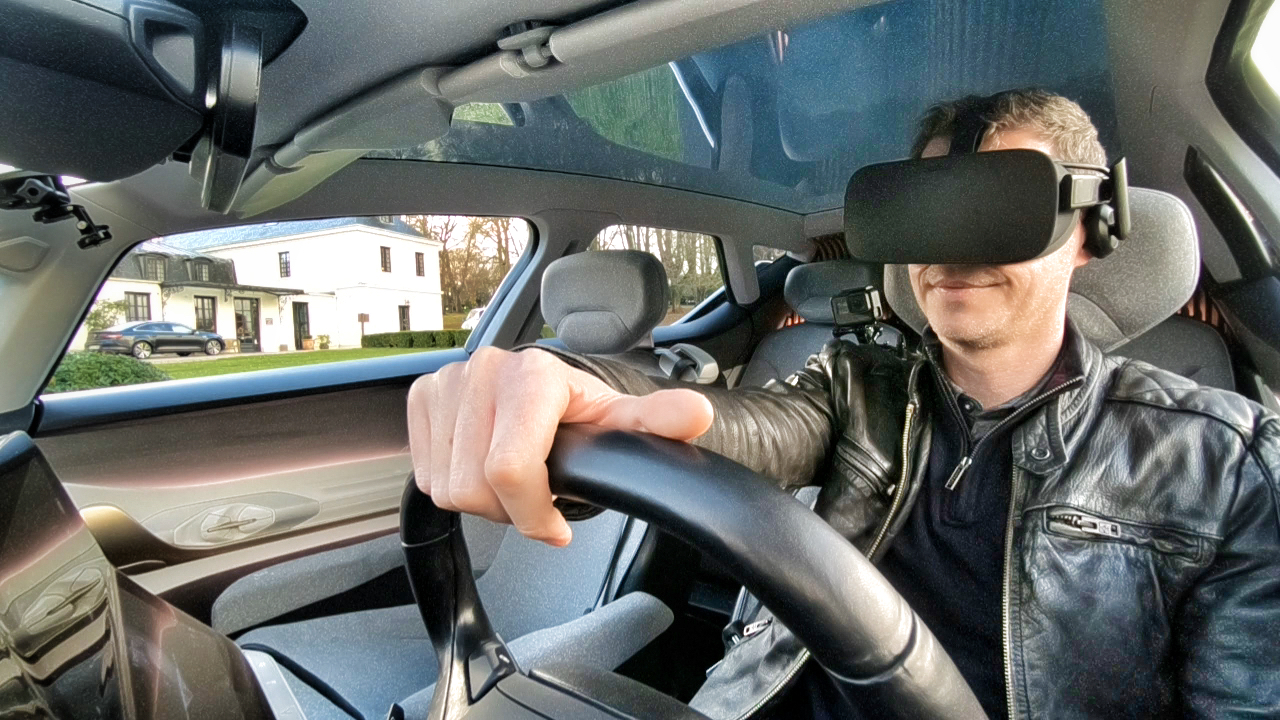
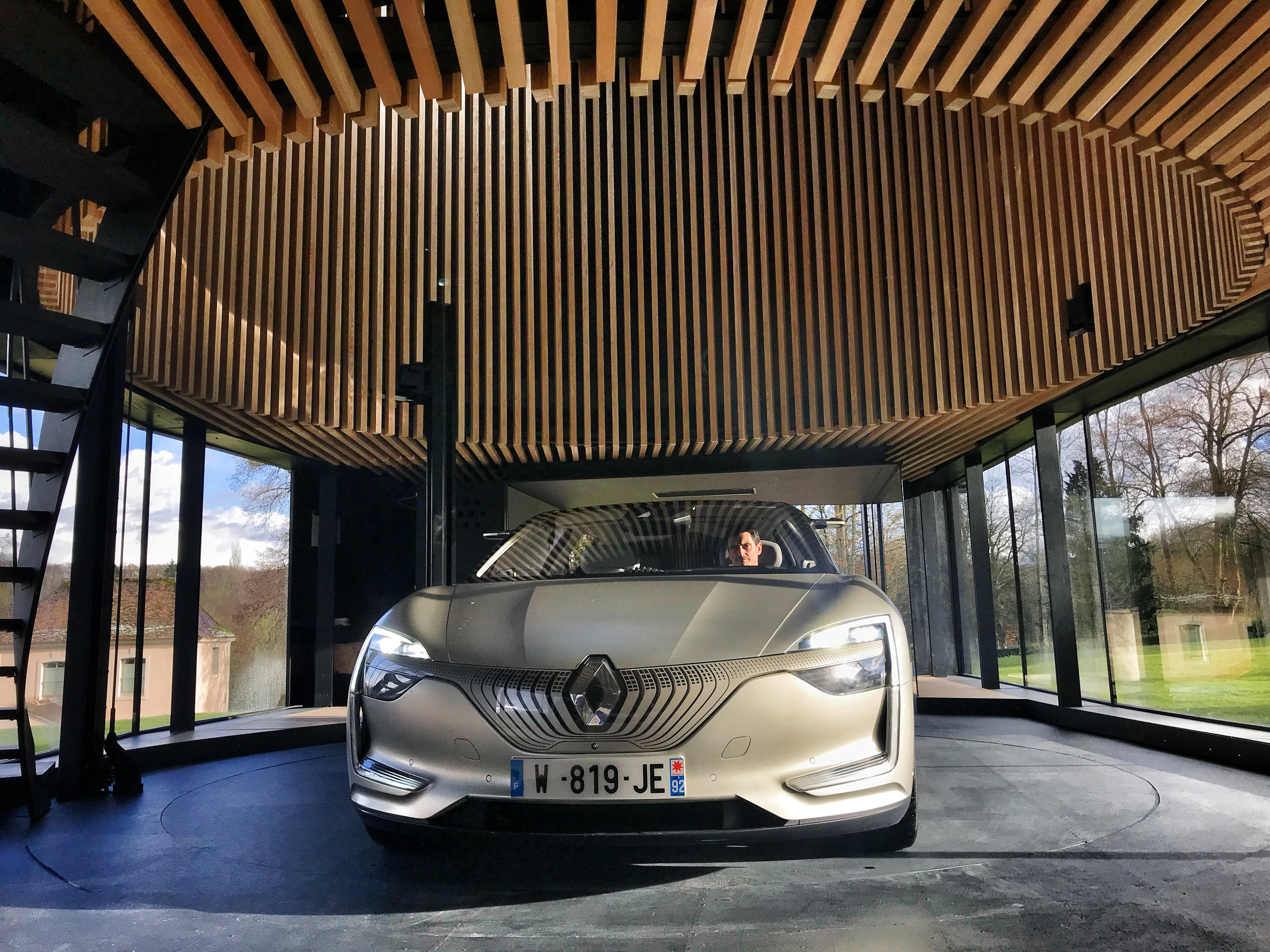
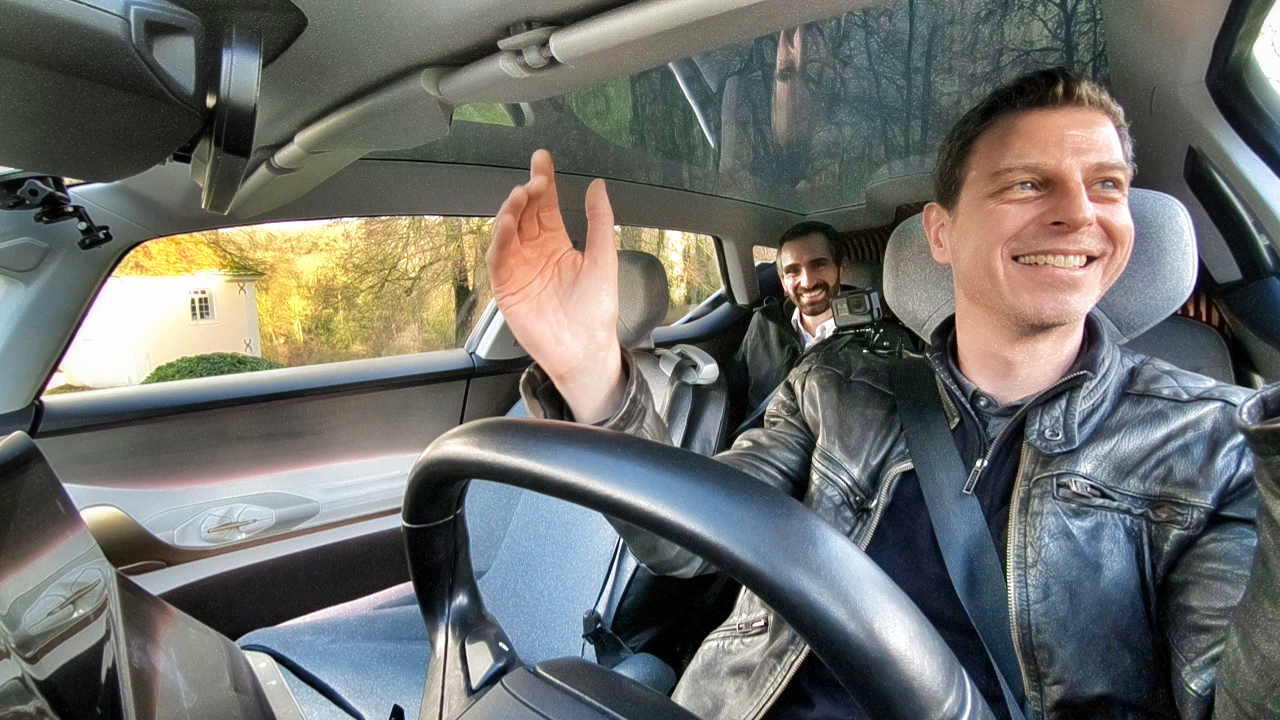
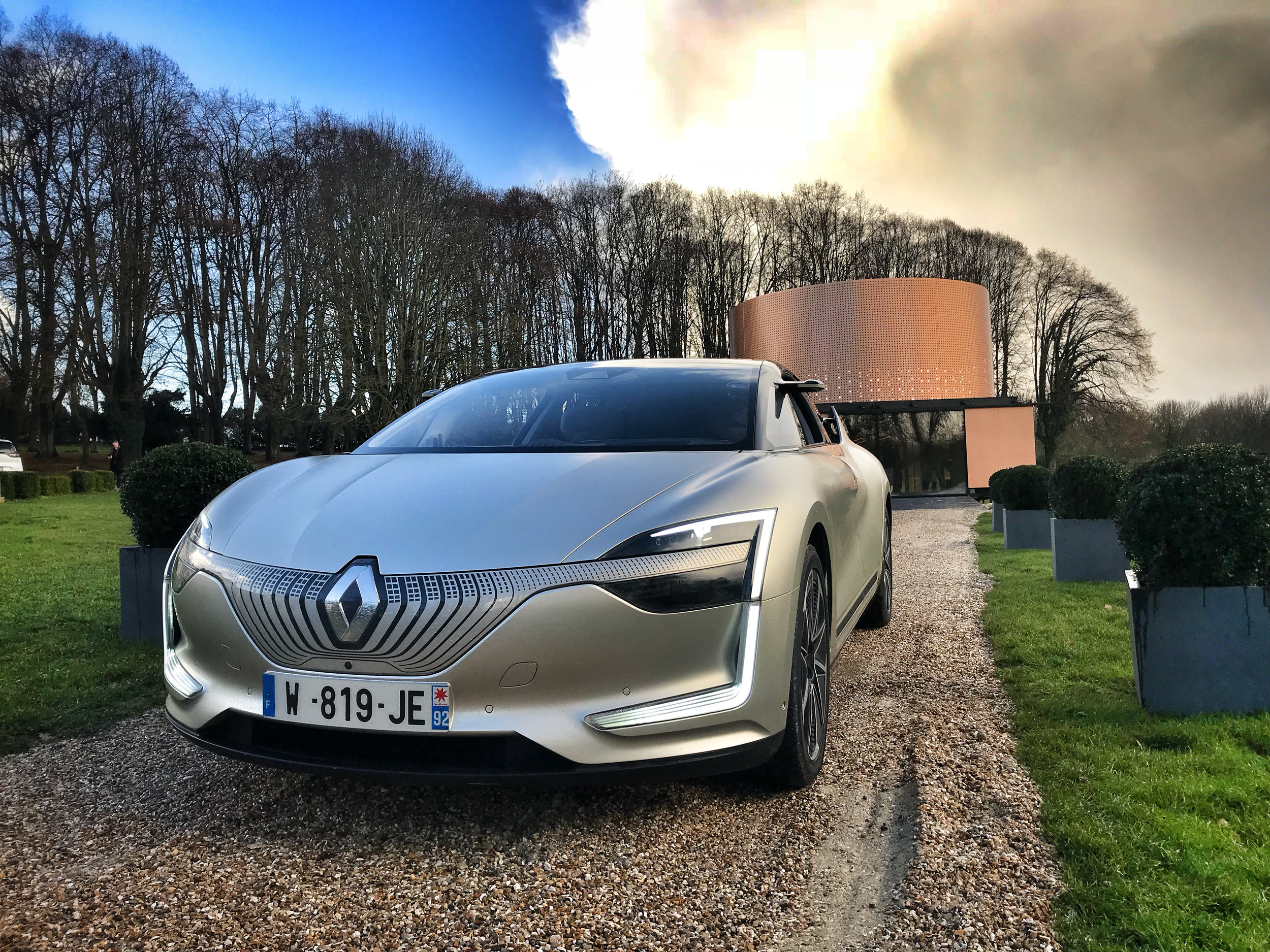
I spent time with Renault recently, testing their autonomous SYMBIOZ EV. This performed on the expected levels – driving itself and in silence, but with the additional element of VR. Wearing a headset seamlessly built into your vehicle, displaying content that moves and turns in sync with the movement of the car doesn’t just immerse the occupants, but enhances the experience beyond that of a simple VR HMD. Control and comfort (both physical and psychological) are key ingredients to acceptance of VR as a viable medium. This is incredibly effective in a car.
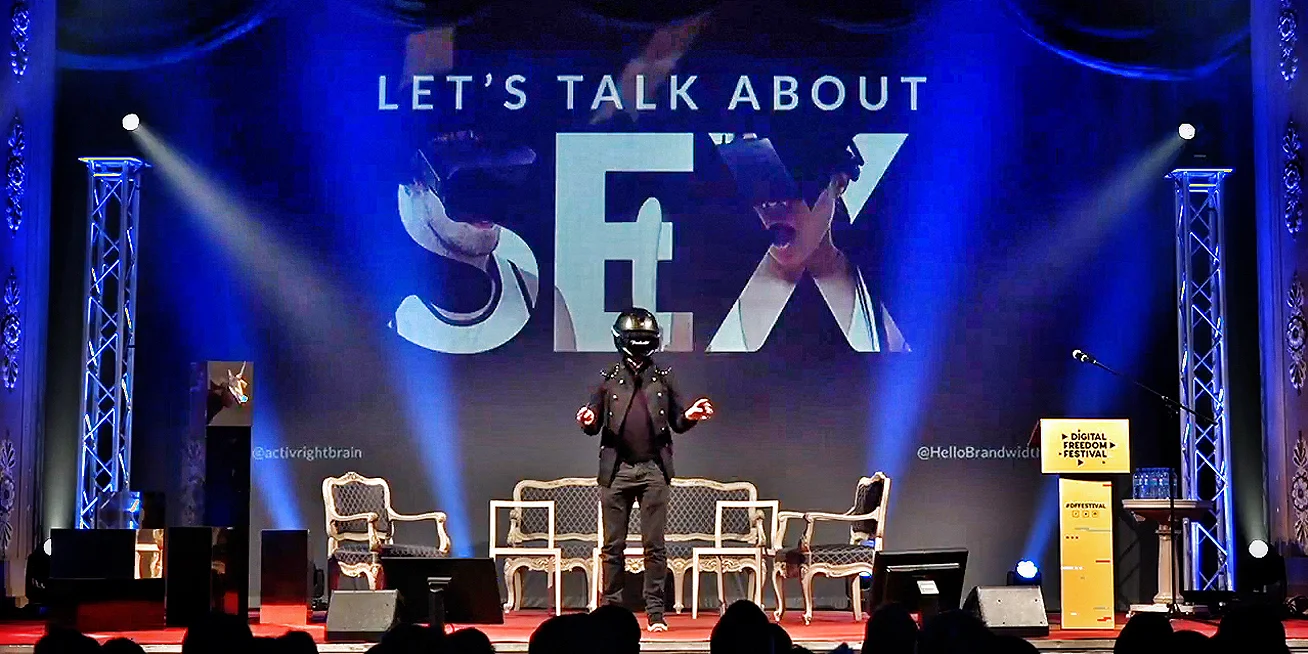
So what content do we make? I’ve long held the belief that we’ve neglected the psychological aspect of being human when designing a vehicle. Many people around the world use their cars as a personal and private space. A symbol of independence in an increasingly impersonal and overcrowded world. This naturally brings us to the elephant in the car – sex.
Drivers and passengers have sex in cars, but manufacturers refuse to publicly acknowledge this. As we head towards a world where we’ll be offered alternatives to ownership and ‘self-driving’, how will mobility brands entice their passengers in? They’ll need to offer comfort, personalisation and access to the things we all take for granted outside a vehicle.
So, admit it or not – sex happens. And it’s something that will increasingly occur in new virtual environments. Not to replace the real thing, but to enhance it, or extend the long distance (and potentially socially-driven) relationships.
In a data-hungry world, the connected car is only relevant if it’s actually connected. We demand this in our everyday lives and 2018 is a big year for building the foundations of the new mobility platform so we’re ready for the next technological revolution.
I’ve spent enough time with Huawei over the last 12 months to realise they’re poised to make this future platform a reality. They have a new partnership in place with PSA Group to connect vehicles to the outside world and each other but Huawei is once again playing its trump (small T) card with their future dominance of the 5G market.
I’m more than along for the ride with Huawei, I’ll be pushing for everything we hope for to become reality so we’re still driving the future, even if the cars are driving themselves.
If you'd like to hear more on the subject matter in this post, this Alexa Stop Podcast Innovation Social CES Special delivers.