• Activ Right Brain
  • About Dean
  • Designing The Future
  • Speaker
  • Keynotes
  • Blog
  • Art
  • Contact

activrightbrain

  • Activ Right Brain
  • About Dean
  • Designing The Future
  • Speaker
  • Keynotes
  • Blog
  • Art
  • Contact

IoC: Internet of Cars

What’s the biggest auto show in the world? Geneva, Paris, Frankfurt, Detroit? Nope, with 180,000 attendees spread over 2.5 million sq ft, it’s CES in Las Vegas. Isn’t it full of robots, drones, augmented reality, touch screens and IoT? Yep, and so are the cars.

I’m not about to write a preachy outsider’s view of the automotive future or an insider’s defence of the industry – rather uniquely, I have feet placed firmly in both camps and a tattoo across my skull that reads ‘petrol head’.

OK, the tattoo’s on the inside and I actually like electric propulsion as well as exhaust sniffing. It’s a good job too as the main headlines at CES were all made by cars fuelled from the wall, not the pump.

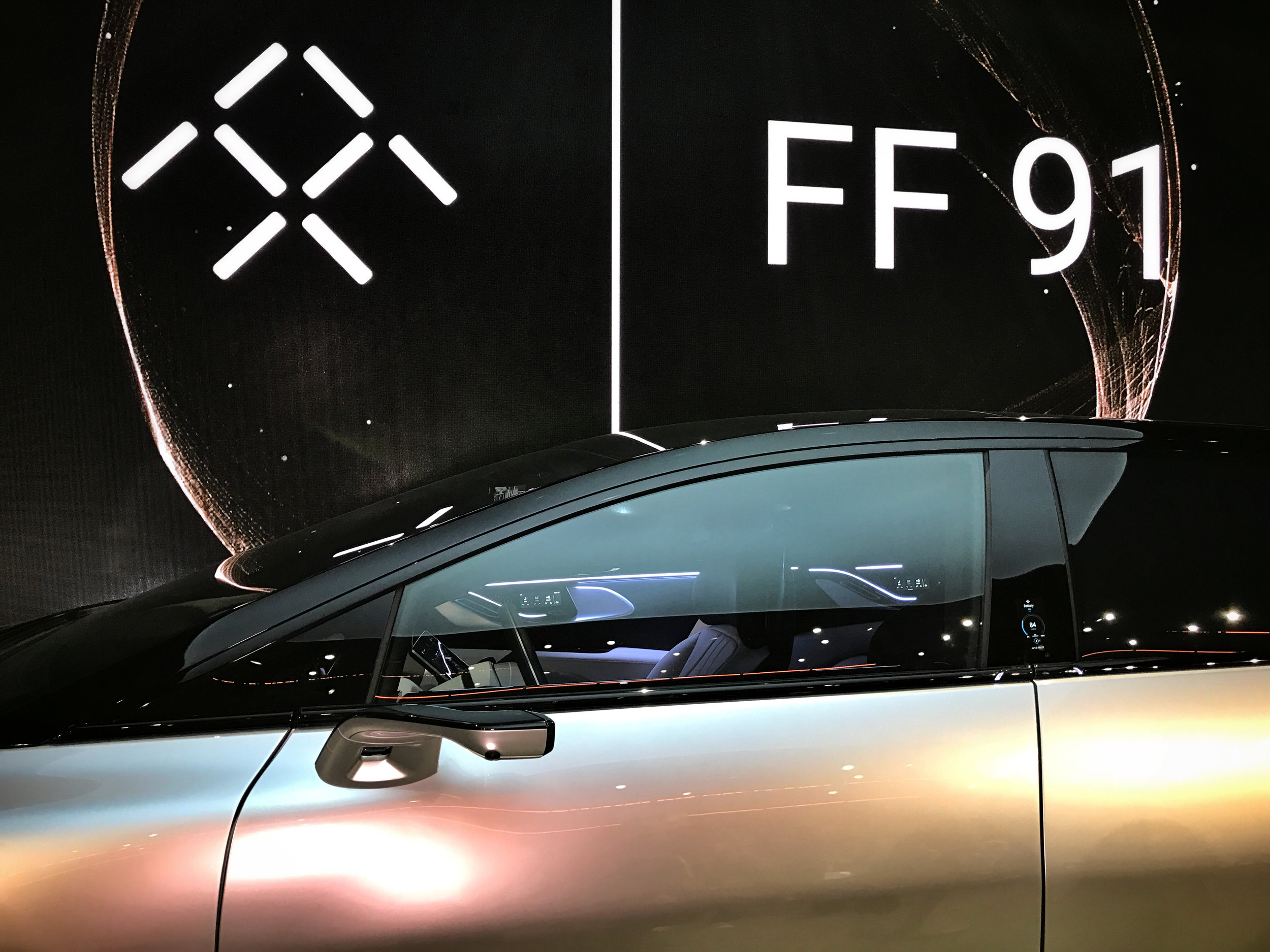
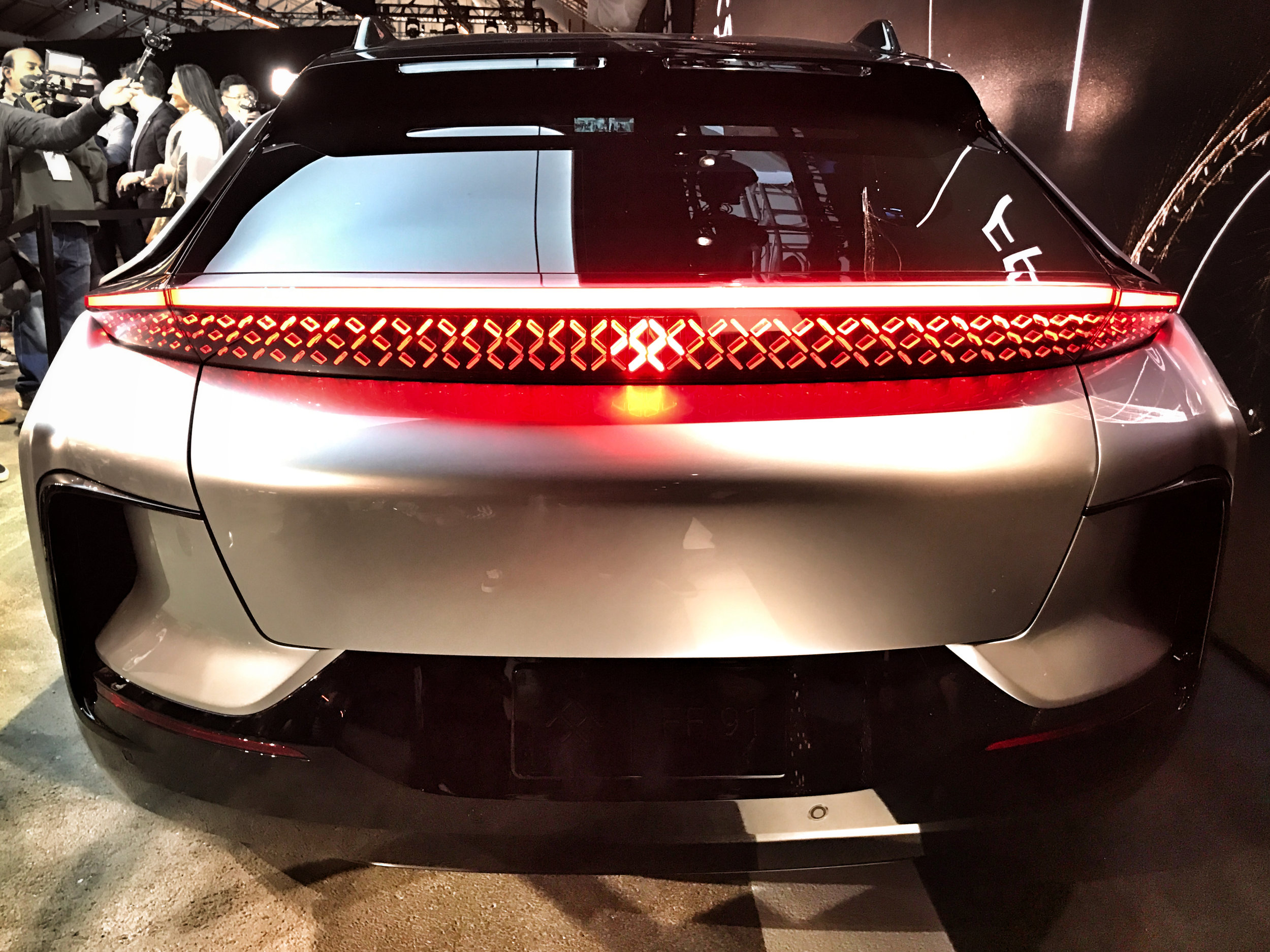
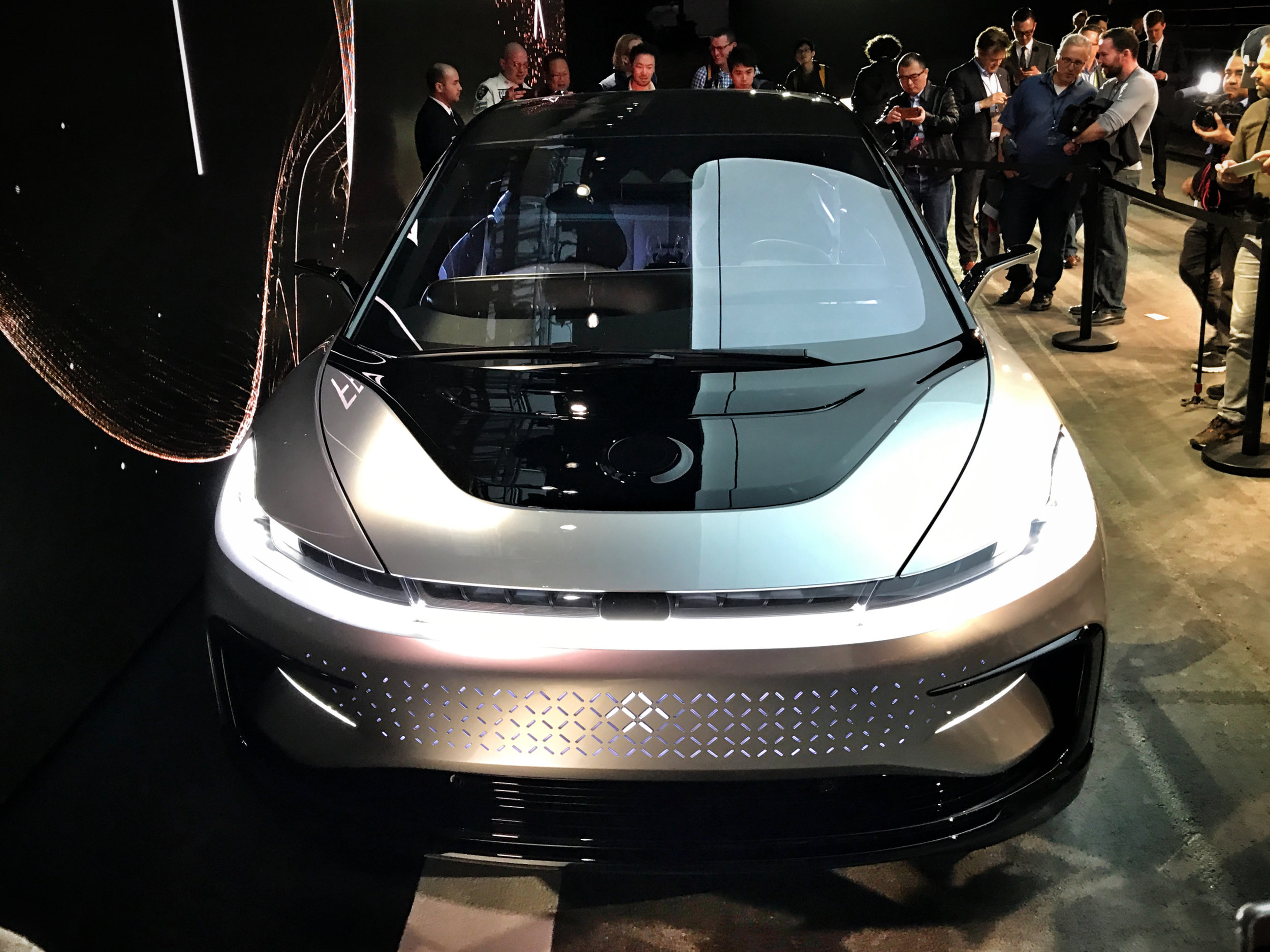
Faraday Future made a triumphant return to the Nevada stage with their FF 91 at a glitzy live-streamed event. Last year they revealed a concept resembling the Batmobile, twelve months later, it was a far more practical SUV.

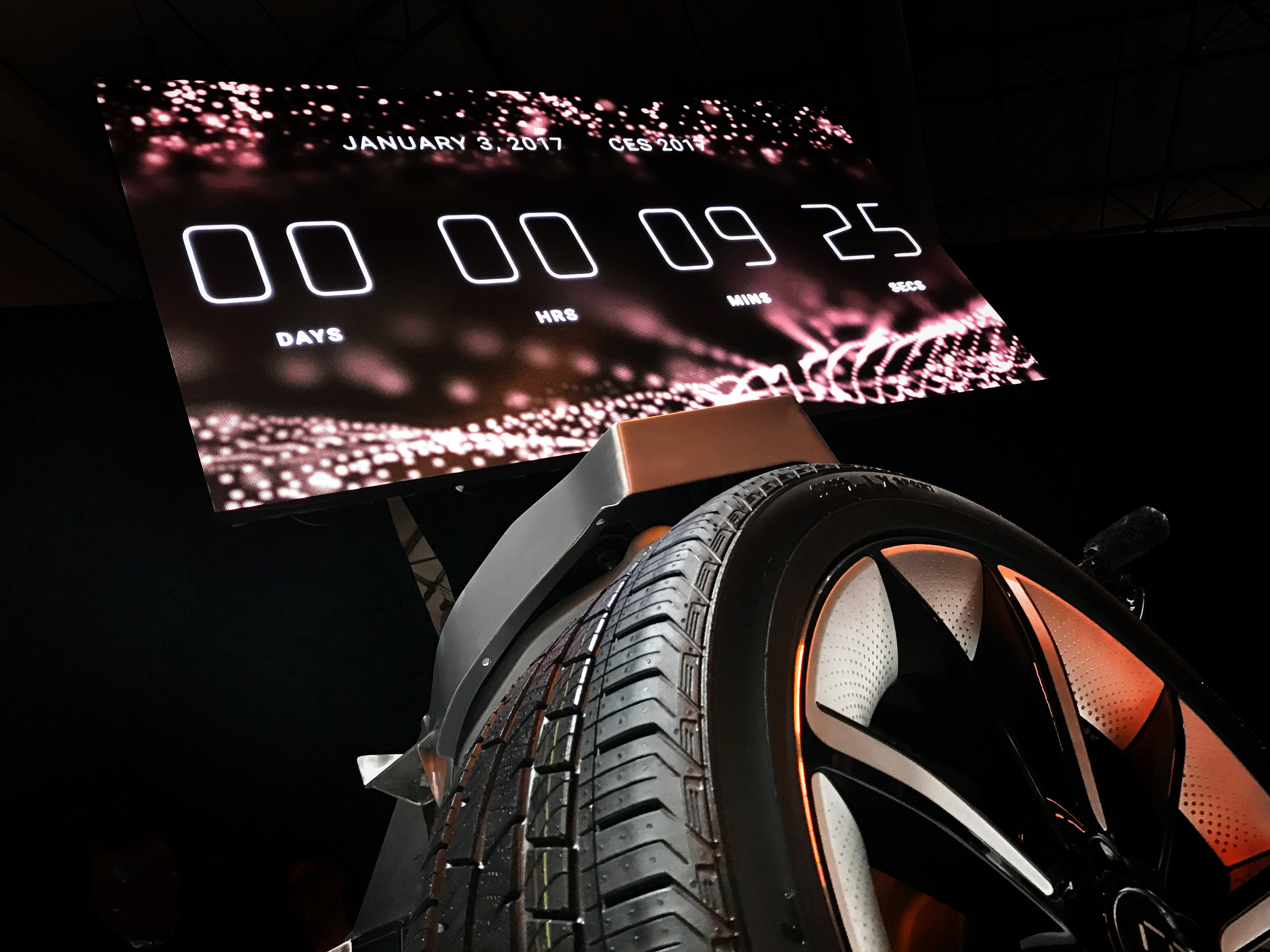
For all the glamour, slick branding and live theatre, the focus was on a record attempt – could the new FF 91 beat the Bentley Bentayga, Ferrari 488 GTB and Tesla Model X from 0-60mph? It did, by 0.01sec, hitting the mark in 2.39 sec. I’m not convinced many in the audience bought into the line that someone torn between the Ferrari and the FF 91 would choose the SUV over the supercar based on a straight line dash. Show them both a series of twisting corners and see who emerges at the other end with a smile on their face and who has their half-digested lunch in their lap.
IMG_2115.JPG IMG_2163.JPG IMG_2164.JPG IMG_2167.JPG

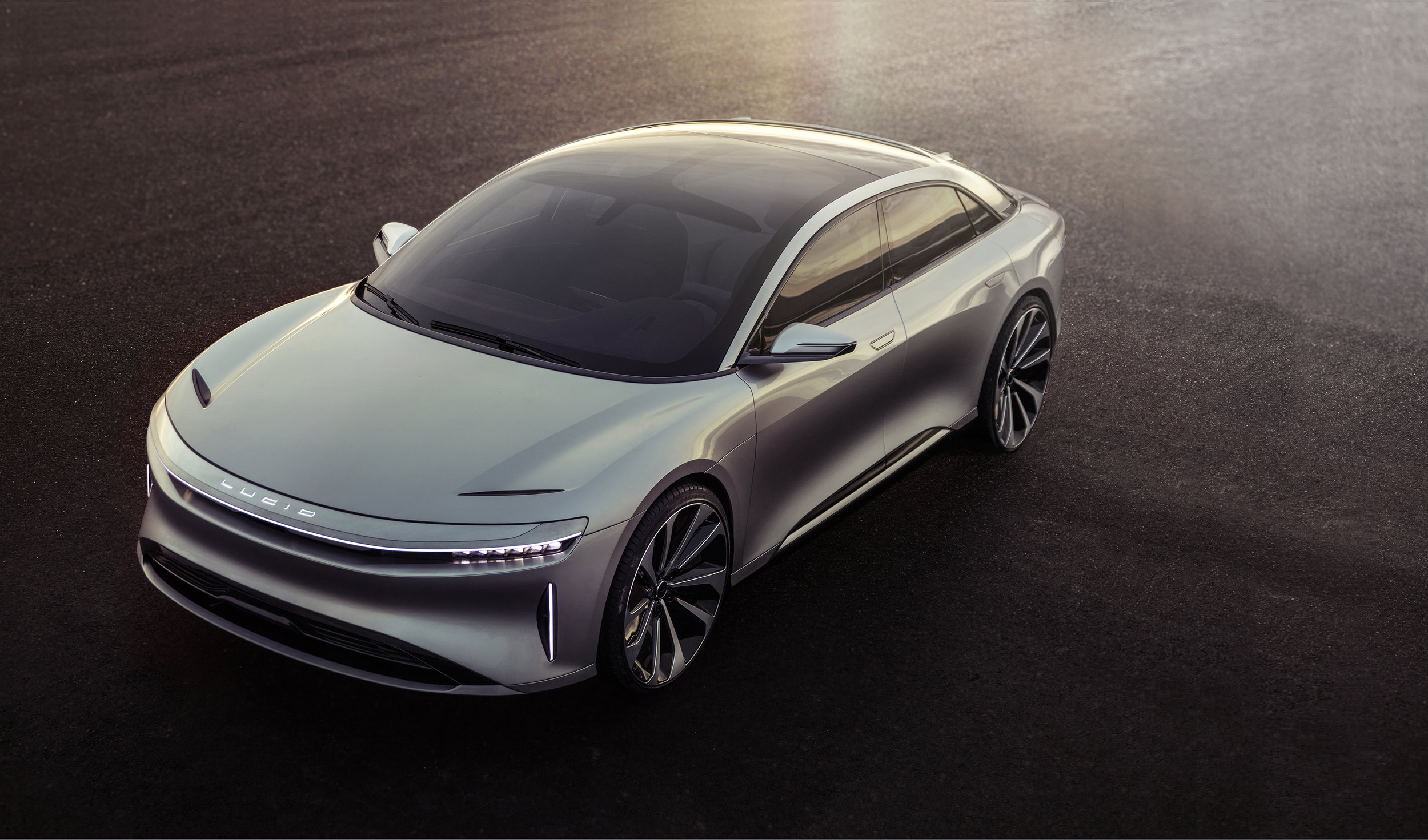
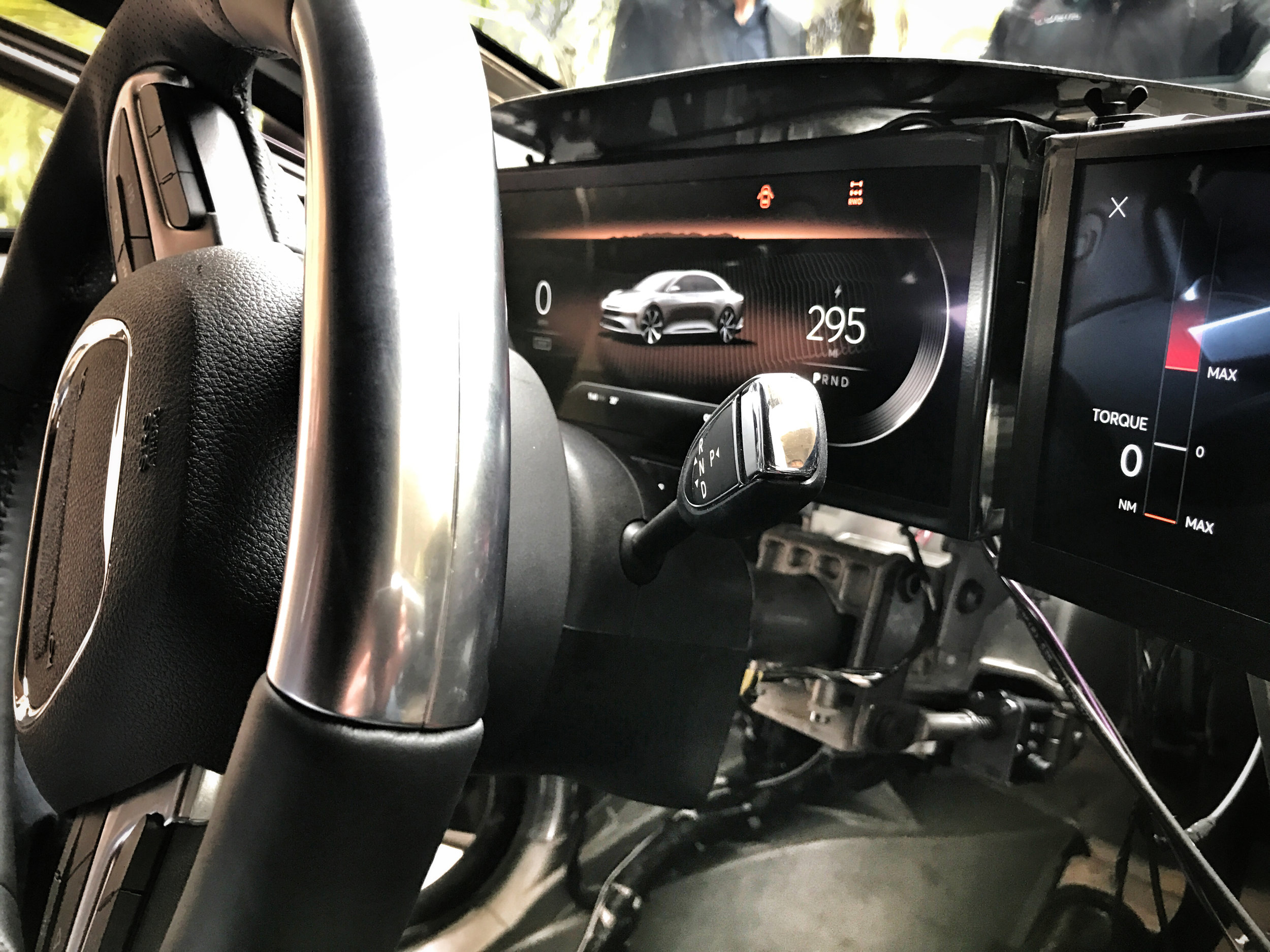
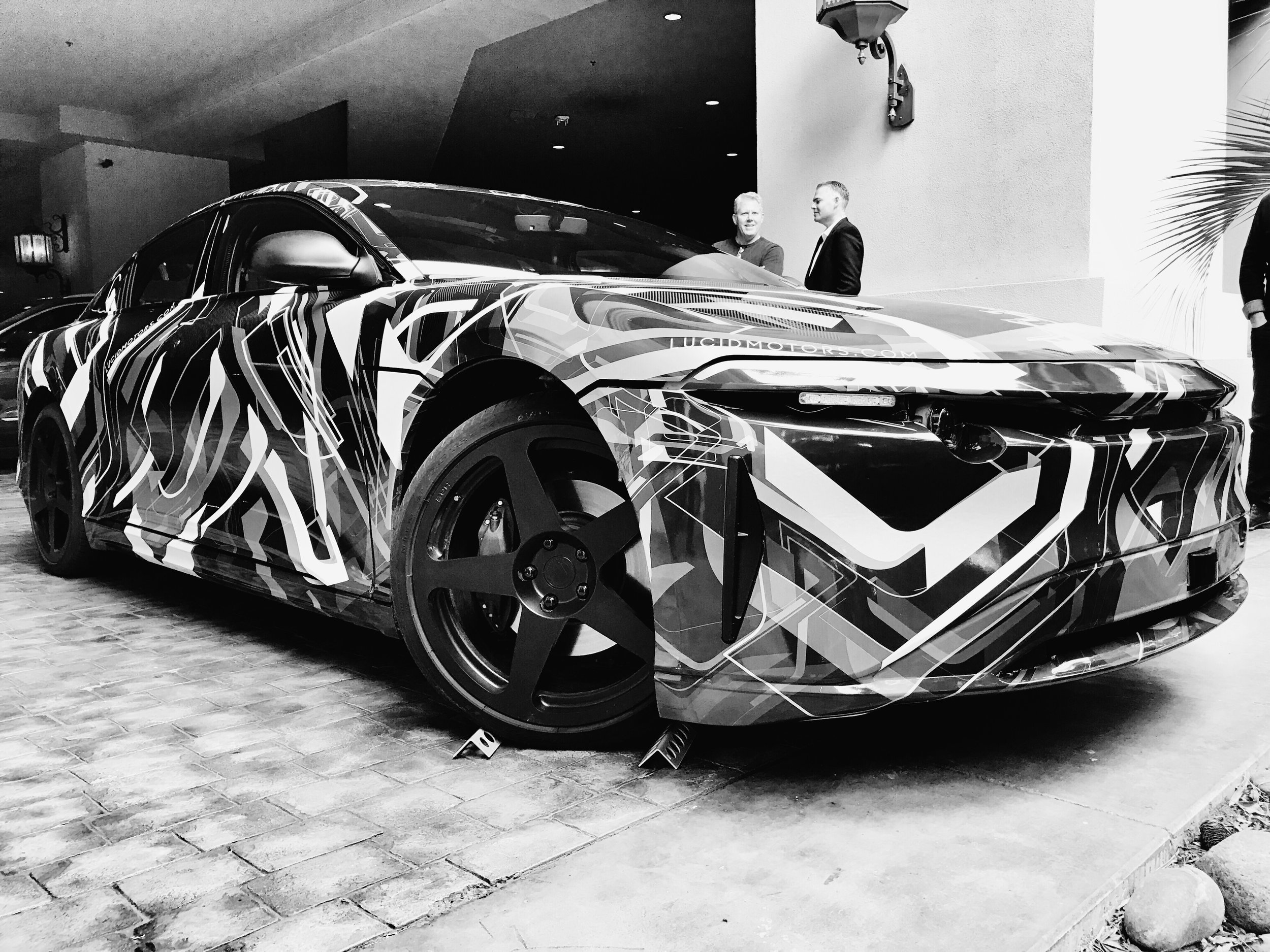
Speaking of smiling faces, that’s exactly what I’d had earlier the same day as I spent quality time with the team from Lucid Motors – another EV startup focused on disrupting the automotive industry. Their forthcoming ‘Air’ also makes a fast dash from 0-60 but the story behind it is one of driving dynamics, rather than straight line bragging rights. Lucid’s CTO Peter Rawlinson, formerly Chief Engineer at Tesla and Lotus, put forward a strong case for his passionate team of 300+ employees and why they’re convinced driving and design appreciation will be just as important as battery range and autonomous tech to the Lucid audience.

Rawlinson believes their battery, developed in partnership with Samsung SDI, is a genuine differentiator in a new world of range anxiety. “It’s not just about distance, but sustained range. The breakthrough cell density is resistant to battery charge depletion usually experienced with repeated fast-charging.” The automotive industry faces many of the issues we already encounter with our personal technology, such as connectivity and mobile phone batteries caught in a recharging memory cycle of decreasing shelf life – not something we’ll tolerate when spending $100,000+ on a luxury car.
IMG_2104.JPG IMG_2159.JPG 020a12_c1661576311d48cbb2e98acc04be6af0~mv2_d_3240_1907_s_2.jpg 020a12_b24c7ff31f934612ae3b91039dfad296~mv2_d_3733_2333_s_2.jpg 020a12_f882a74d4dad47b3b5b4b75ef618db5f~mv2_d_5792_3861_s_4_2.jpg

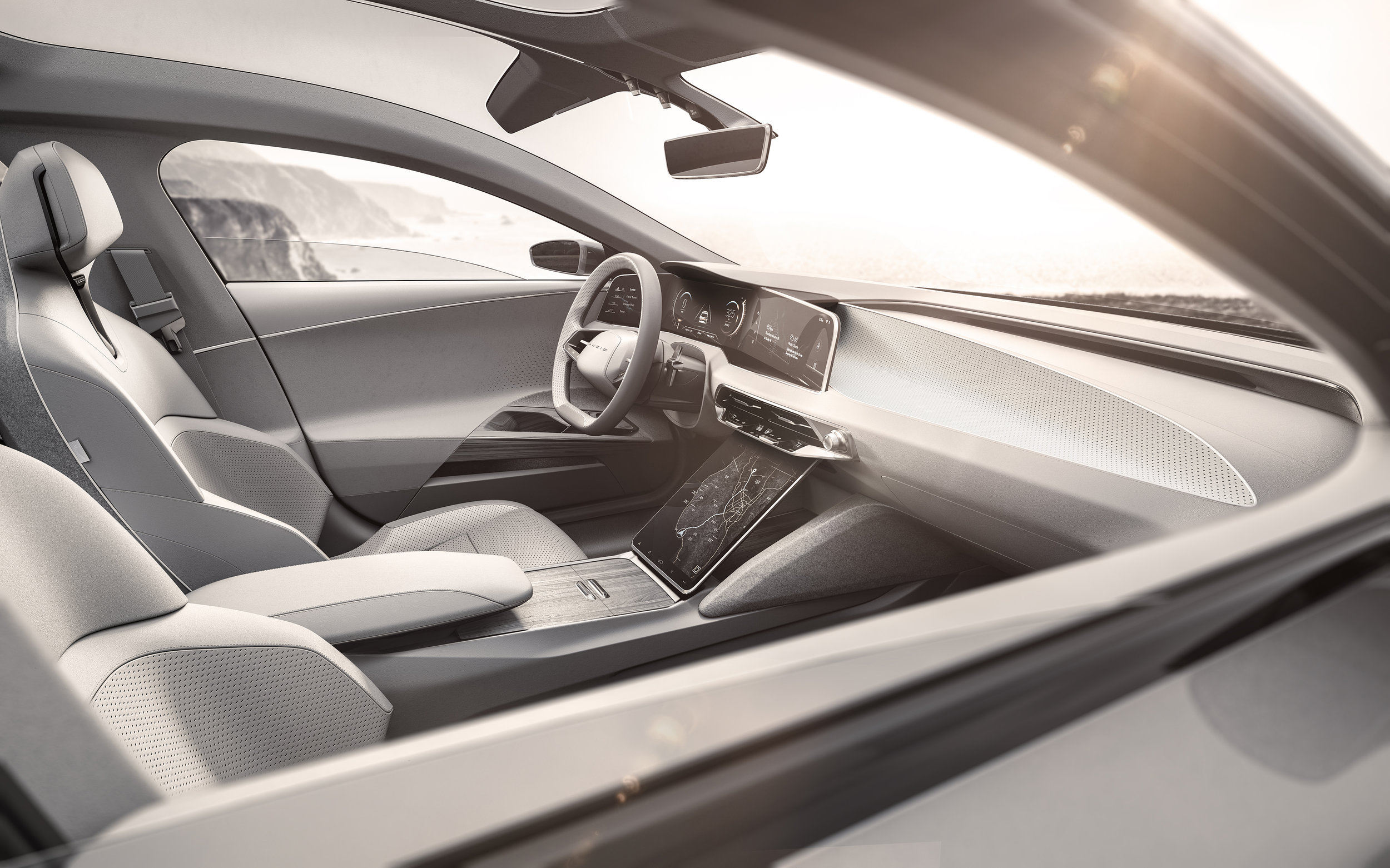
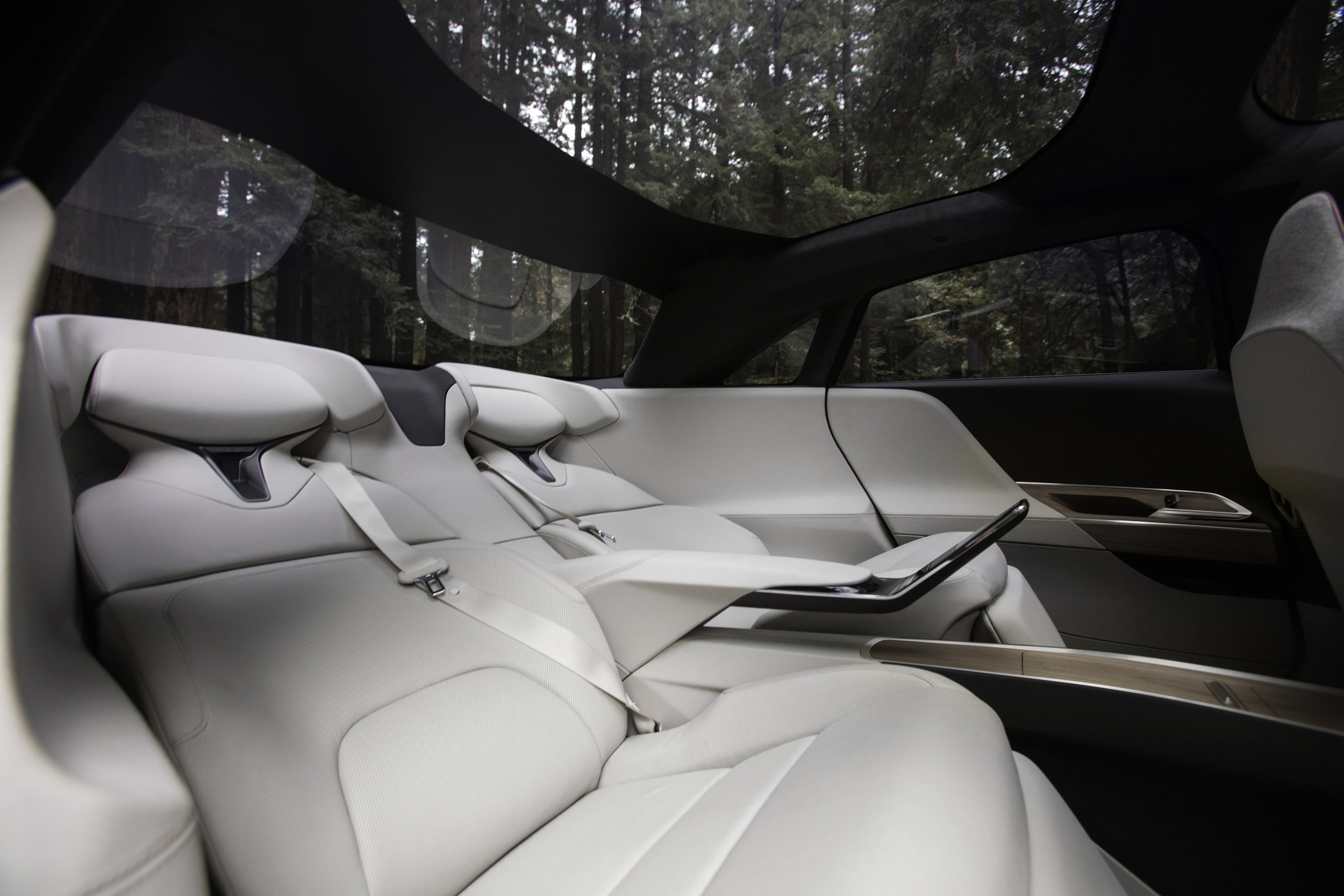
VP of Design, Derek Jenkins, former Director of Design at Mazda and VW told me he’d relished the creative challenges when starting with an automotive clean sheet. Sensors for autonomous driving need to be integrated, rather than added to a familiar silhouette and the interior design maximises the space around the electric drivetrain, rather than one inherited from the mechanical components of a traditional combustion engine.

It’s Rawlinson’s engineering appreciation and Jenkins’ design skills that brought the aforementioned smile to my face as we headed out onto the dusty Vegas roads in a development prototype. Peter eagerly hanging the back end out at every opportunity, putting that passion for driving into action!

Lucid now needs to start work on their $700M Arizona factory. This has been previously misreported as a similar model to Faraday Future’s, with funds coming from their own Chinese billionaire – not so, as Rawlinson stressed “this is an American company.” Despite their intentionally understated message, they seem to be heading in the right direction at the right speed as the Air is slated for production in 2019, with first year projections of 8-10k units, rising to 50-60k.

Although Lucid seems to be on track, Faraday’s FF 91 still lacks one important ingredient – money. Vital funds need to be released by Chinese backer, Founder and CEO of LeEco Jia Yueting so work can resume on their Nevada factory. Many keep referring to Faraday Future as the ‘Tesla killer’ as if this is a good thing. It’s not, and Elon Musk has frequently said the industry needs many EV-first players to shake up the competition, not kill it!

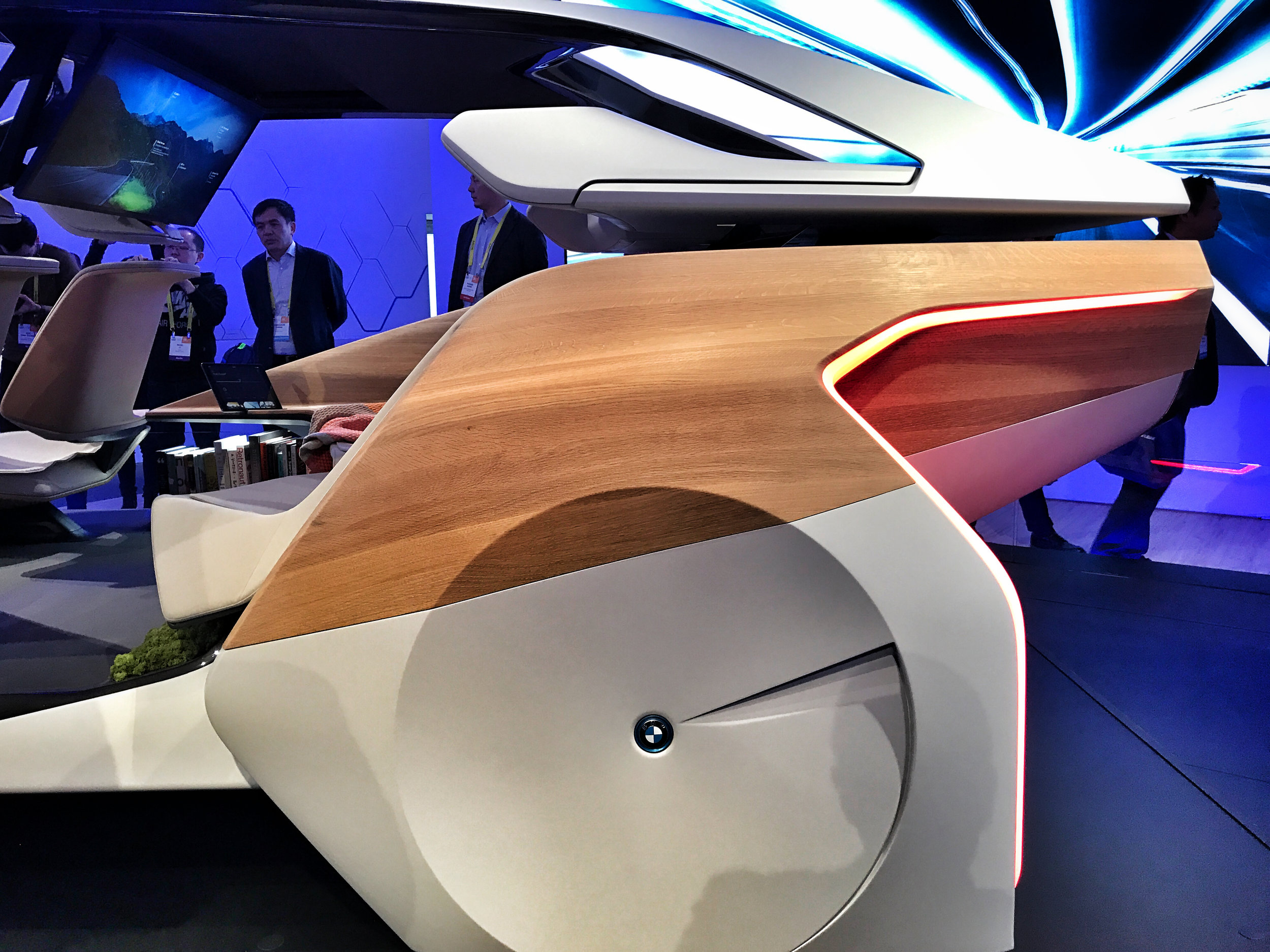
So where does this leave everyone else? Ford, Nissan, Toyota, Honda, Hyundai, Mercedes and others had CES concepts to show off their latest vision for the future of vehicle connectivity – inside and out – and how they’ll all drive themselves, but BMW took out the most real estate.

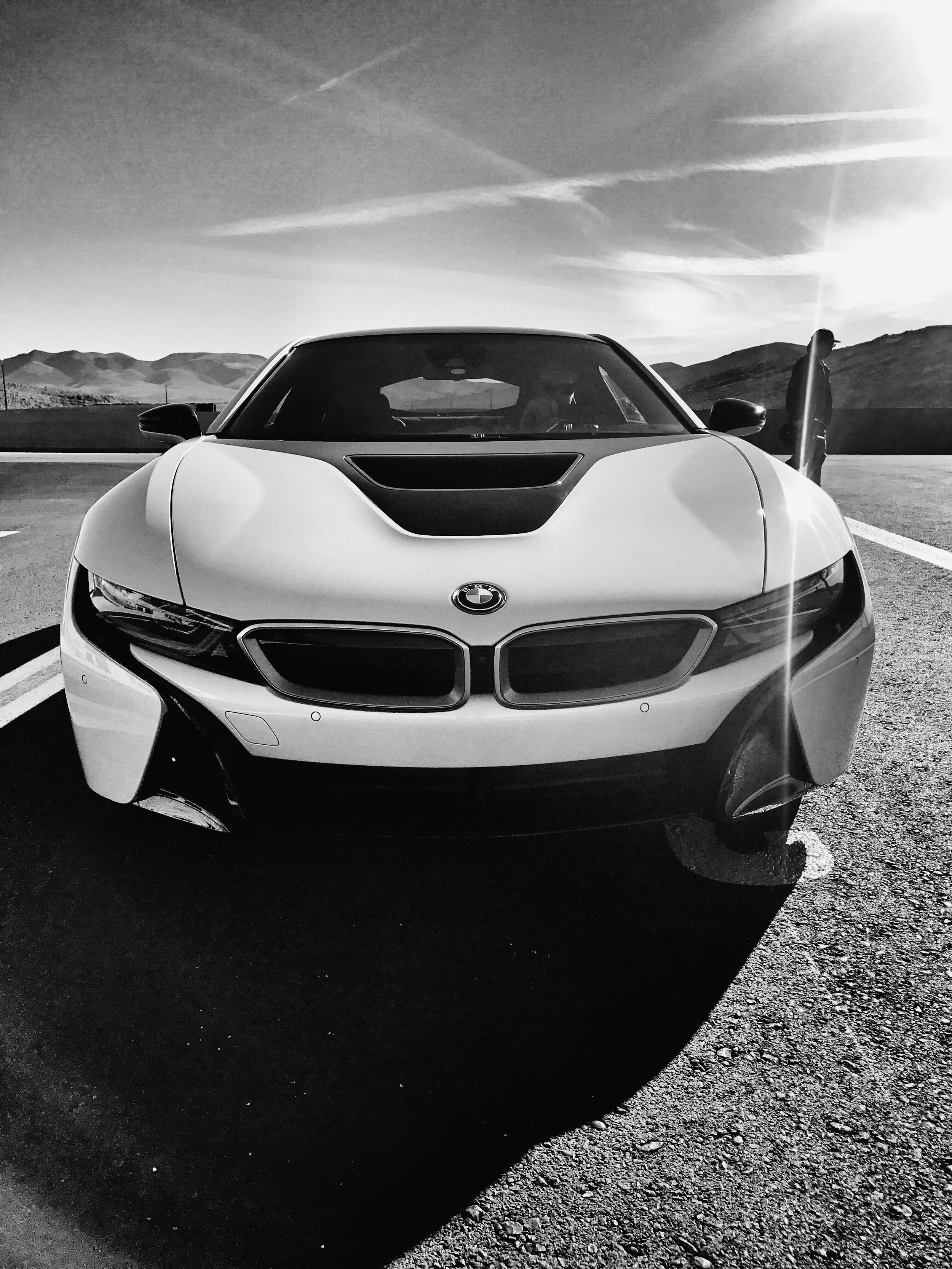
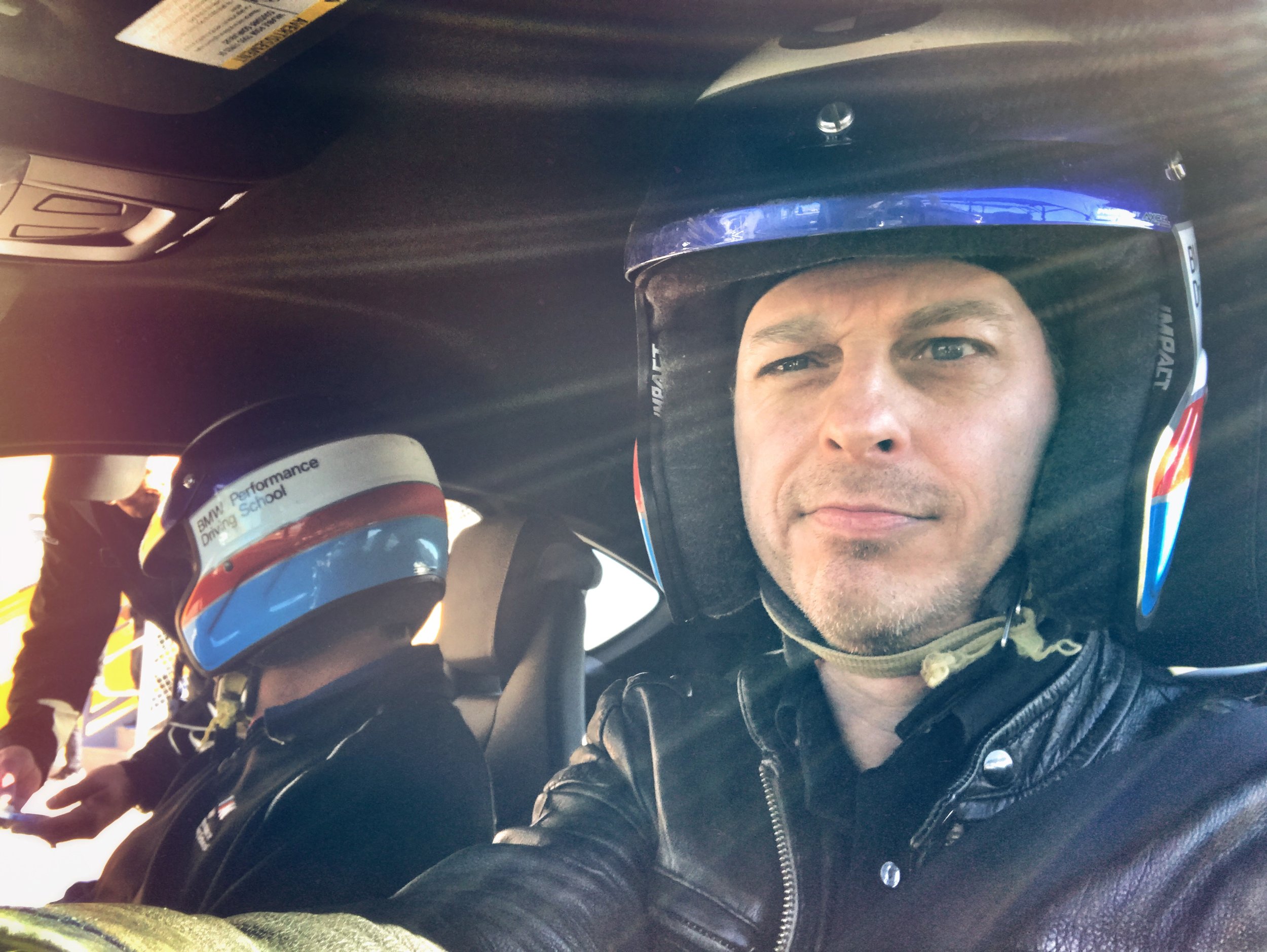
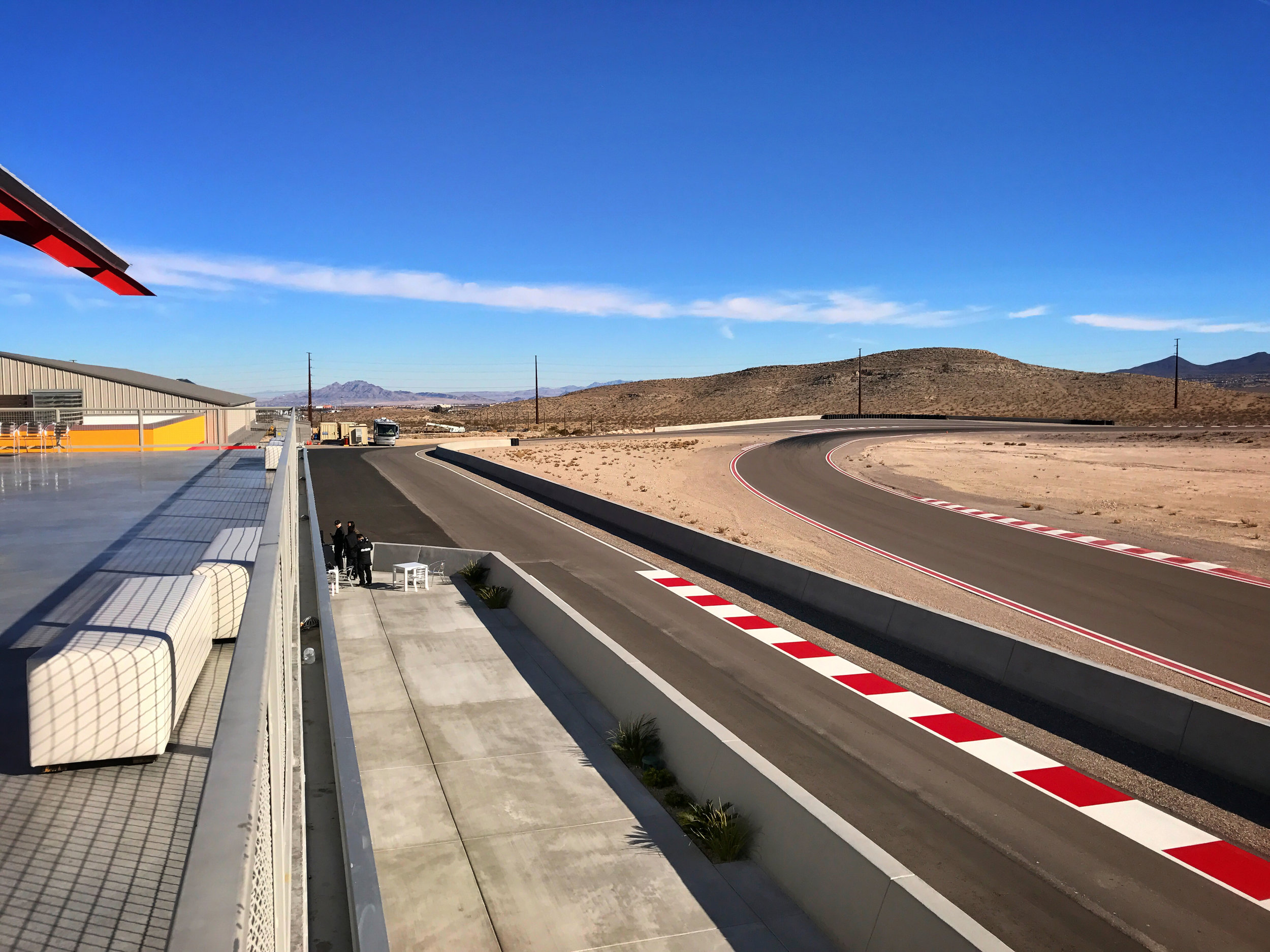
Here I put my cards on the table as I drive a BMW, but it’s a petrol model and I haven’t made the jump to hybrid or electric yet as I’m still addicted to their turbocharged straight six. However, this doesn’t stop the Bavarians from trying to tempt me into an ‘i model’ every year at CES. In 2015, I piloted BMW’s petrol-electric supercar around the streets of Vegas. This year, they drove me to the ‘Speed Vegas’ desert racing circuit in an i3, then let me loose in an i8 around the track!
IMG_2620.JPG IMG_2618.JPG IMG_2623.JPG IMG_2365.JPG IMG_2367.JPG IMG_2364.JPG

Compared to Faraday Future and Tesla’s unnatural obsession with straight line speed, this track session was a superb way to demonstrate the benefits of a car that is just as comfortable in the corners as the straights – and that’s a fun vision for the future!

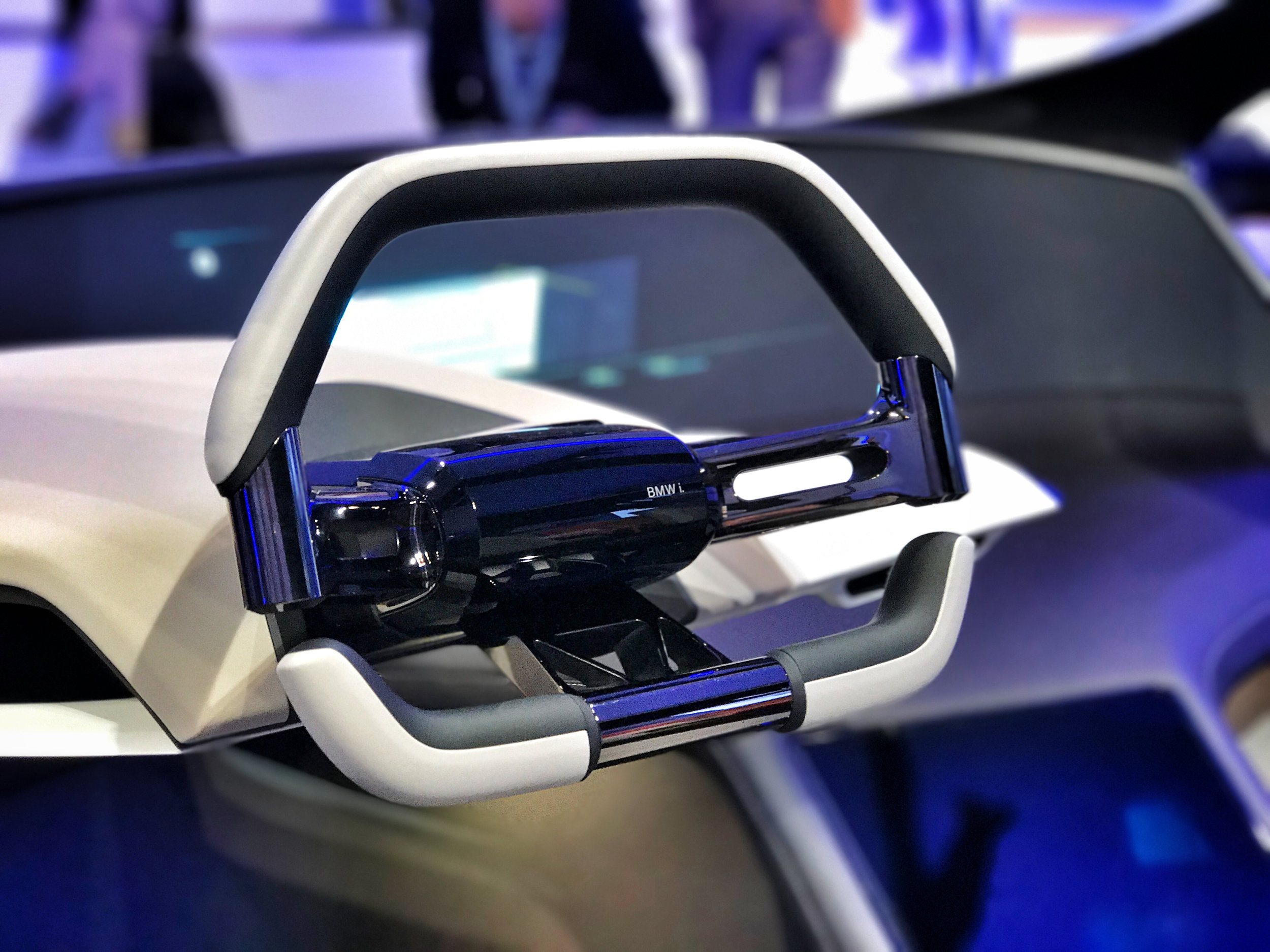
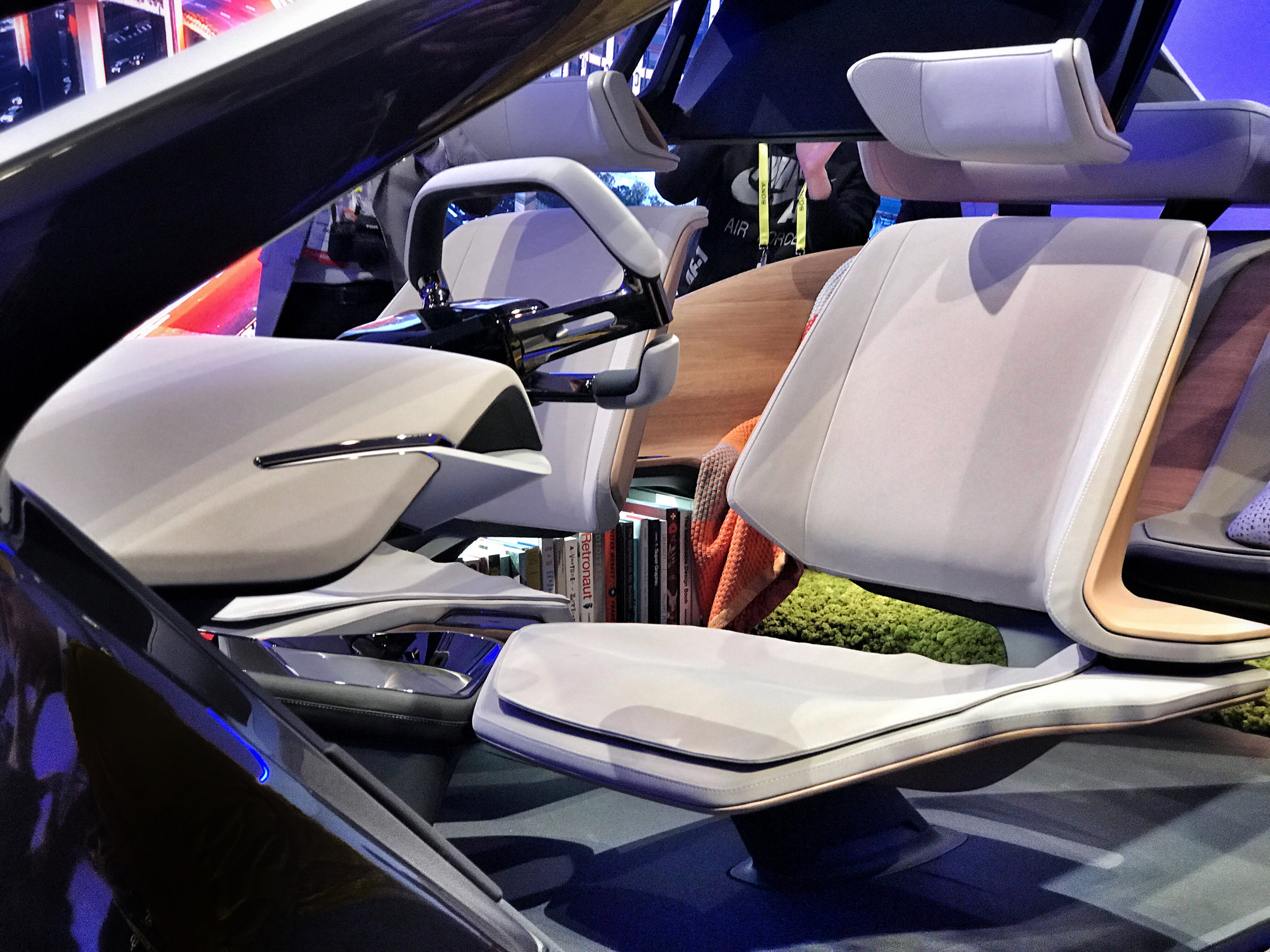
And that future isn’t all about speed and performance. All manufacturers need to connect – with devices, the consumers that use them and the world around us. We already have a reasonable expectation that our phones will talk to our cars and in doing so, will add functionality. When our cars become fully autonomous, the safety restrictions fall away and we’ll demand entertainment, office functionality and more.

More? Well, I spoke at FutureFest in London last year and Cindy Gallop was on stage before me, talking about the statistics for sex in cars. It’s higher in countries where larger families share smaller houses as the car naturally presents an intimate space – but auto manufacturers continually fail to recognise this. Imagine the potential to relieve the boredom of a long autonomous journey with some connected sexy times. Auto brands take note, if the car is rockin’ time to come knockin’.

The very public message from the car companies at CES was “we’re in control”. This is true to a point, but it’s mostly tinged with an air of panic as they all know the future can’t be delivered overnight. Many believe their music and movie-streaming audience will no longer wish to drive or own cars and this is increasingly the message from industry analysts. But this is mostly educated guesswork and the future isn’t predetermined so the automotive business needs to give its customers a reason to love their products, want to drive them (when not having sex) and make them their own.

The only way to do this is to connect to the future audience – the ones who currently have no concept of car ownership and have never even gripped a steering wheel. Don’t neglect existing customers, but enlist their help as they’re the drivers, owners and brand advocates that can help to share the reasons we choose a Union Jack roof for a MINI, spec 20” alloys on an Audi, tick the box for red stitching with black leather on an Alfa, and take a deep breath of ‘new car smell’ when we drive away from a dealership.

I’m a petrol head for life, even if we replace the petrol with a plug socket, the dashboard with an iPhone and the dealership with a VR headset.

tags: CES, CES 2017, Vegas, Las Vegas, Faraday Future, Lucid Motors, BMW, BMW i8, EV, autonomous driving, Connected Car, innovation, IoT, AI, automotive
categories: Automotive, cars, Connected World, Design, Futurology, Gadget, Innovation, Mobile technology
Wednesday 01.11.17
Posted by Dean Johnson
 

#CES2016: Social Shockwaves

Well, CES 2016 delivered what it always delivers. It was amazing, enlightening, exhilarating, mentally and physically exhausting in equal measures. I'm rejuvenated and broken at the same time.

Although I’ve mentioned VR and connectivity in previous posts, this year’s event wasn’t really about one thing in particular, and that’s because the overarching banner of ‘IoT’ covers a multitude of sins. When so much is connected, mobile devices, home appliances, wearable tech and cars are all spoken about in the same breath.

For me, this year was big for Twitter, Vine and Instagram again, so I’ve summarised the CES 2016 headlines via my own social channels. From wearable airbags to Zombie Smart Fridges, I still believe effective social broadcast is an art form. I’m never likely to resort to mere retweets or regurgitating a news feed. If you follow me, you get cutting edge insight, divisive opinion, original content and irreverence in equal measures.

And actual conversation.

Human Airbag

Connected Development

#CES2016 kicks off with #FaradayFuture's #ConnectedCar, #IoT & #AI: Connected Development https://t.co/SupFUDyZwD pic.twitter.com/3CmTAMlnBW

— Dean Johnson (@activrightbrain) January 5, 2016

Zombie Smart Fridge

#CES2016 Breaking: Samsung announces #WalkingDead Limited Edition of its #SmartFridge. Keep that Walker fed! #IoT pic.twitter.com/kKWOiCpo75

— Dean Johnson (@activrightbrain) January 5, 2016

The Year of VR. Again

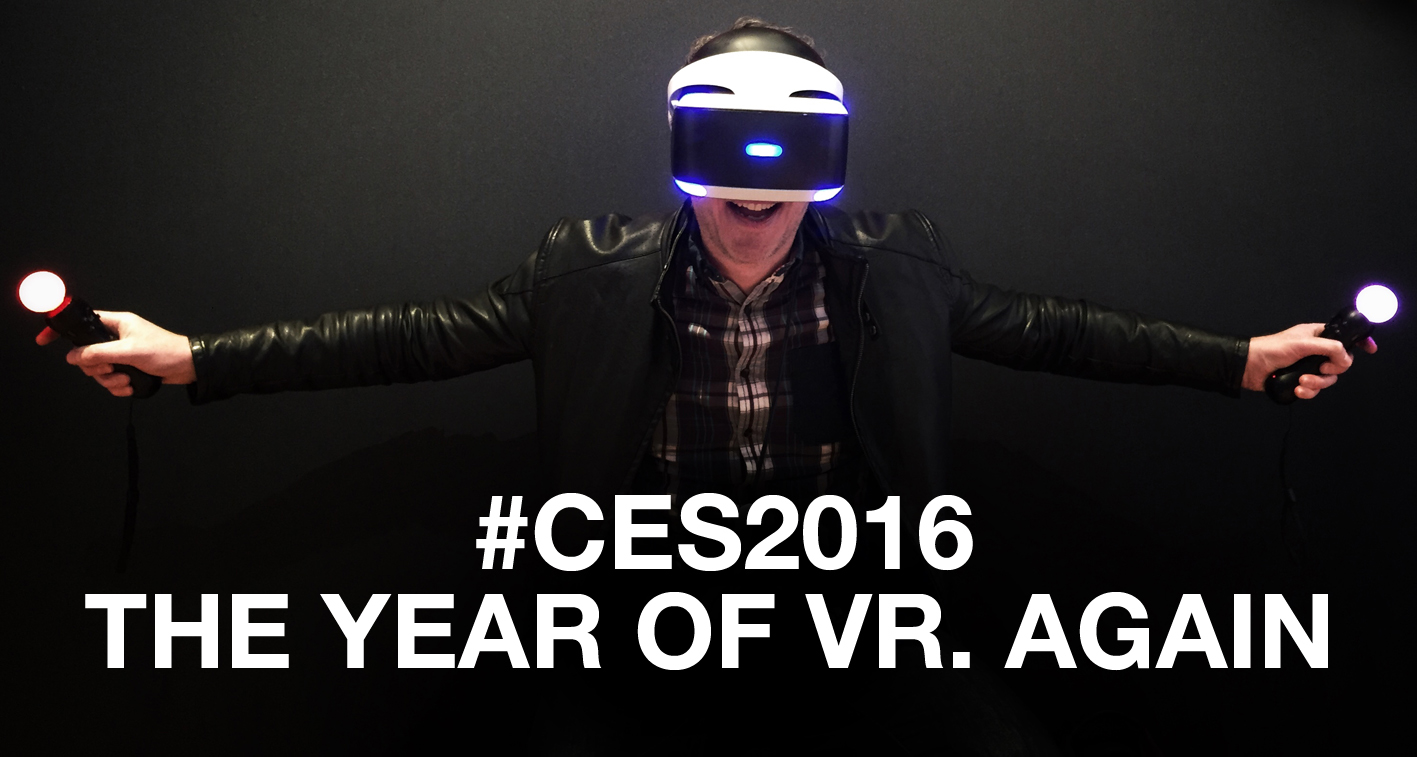
#CES2016: The Year of VR. Again https://t.co/jk9W48tUg7 #VR #VirtualReality #AR #WearableTech #OculusRift #SonyCES pic.twitter.com/lMrlBSmW5L

— Dean Johnson (@activrightbrain) January 6, 2016

Hoverboard Meetings

This > All meetings at #CES2016 pic.twitter.com/r1PmYroNRD

— Dean Johnson (@activrightbrain) January 6, 2016

Pimp my 7 Series

Loved my @BMWUSA #7Series ride to #CES2016 this morning. Just wish it could take me everywhere! #BMWCES2016 pic.twitter.com/1rrWMdQ7e5

— Dean Johnson (@activrightbrain) January 7, 2016

Spyderman

The @BMWUSA #7Series was stunning but the #BMWi8 #Spyder was a work of art! #CES2016 #BMWCES2016 @BMWiUSA pic.twitter.com/cfpewGiFx7

— Dean Johnson (@activrightbrain) January 7, 2016

The Future’s Bright, The Future’s Faraday Future

Speaking of stunning #CES2016 cars, #FaradayFuture #FFZERO1 is one of those... @FaradayFuture @CES pic.twitter.com/VnIjhE4pkq

— Dean Johnson (@activrightbrain) January 7, 2016

Walking the Light Fantastic – Orphe shoes

The full visual journey is covered on my Instagram feed.

tags: CES, CES 2016, CES16, Las Vegas, tech, gadgets, airbag, wearable, wearbles, wearable tech, In and Motion, wearable airbag, Faraday Future, Connected Car, concept car, IoT, AI, Samsung, SmartFridge, Smart Fridge, Samsung SmartFridge, Samsung Smart Fridge, Zombie SmartFridge, Zombie, Zombies, Walking Dead, The Walking Dead, VR, Virtual Reality, Sony Playstation VR, Playstation VR, Hoverboard, BMW, BMW 7 Series, 7 Series, New 7 Series, BMW i8, BMW i8 Spyder, i8, i8 Spyder, EV, hybrid, Orphe, Orphe shoes
categories: Apps, Automotive, cars, Conference, Connected World, Design, Futurology, Gadget, Innovation, Mobile technology, Social, Virtual Reality, Wearable Technology
Monday 01.11.16
Posted by Dean Johnson
 

#CES2016: The Year of VR. Again

In 2015, CES headlines were all about ‘The Year of Virtual Reality’ with many of the big (and small) names turning up to the annual Vegas tech pilgrimage touting consumer-ready VR headsets. Only Samsung delivered on the promise, so what happened to the rest?

Oculus held a press conference just before G3 to reveal their final Rift, Sony changed the name of their Morpheus headset to Playstation VR (or PSVR) and HTC postponed their 2015 Vive launch because they’d made a ‘major’ breakthrough. Good on HTC for holding on for a better product, because it’s well worth the wait, the Vive Pre is stunning. The Void broke ground on their first VR theme park in Utah and it’s mightily impressive, but won’t open until later this year.

I’ll also have my hands and eyes on the latest Sulon Cortex this week – but more on that when I’m allowed to tell you…

So here we are again with the usual question being asked “what’s big at CES?” Thanks to the Rift pre-order floodgates opening today, Oculus has ensured It’s VR. Again.

CES has also brought us a raft of 360º cameras (although not all ‘proper’ stereoscopic VR) including the Vuse, the Allie, Nikon’s new KeyMission 360 and Samsung’s Project Beyond. Again.

If we ever have a conversation about Virtual Reality, you’ll soon discover my views cover the extremes and there’s no fence-sitting. I love and will enthuse about the platform’s incredible potential yet have a rather negative view of some of the industry leaders, because some aren’t leading in the right direction and many aren’t pushing hard enough.

Having produced 360º videos for years doesn’t make you a marketing expert. Building great games doesn’t mean you’ll produce stunning VR experiences. The new frontier of VR studio production requires a diverse skill set and a unique understanding of how your audience will view and react to your content, not just how they’ll discover it.

If you stumble upon anyone carving themselves out a career as a VR movie mogul and they’re telling you THE future of film is VR, they’re doing more harm than good. It’s A future and a damn exciting one but claiming all films will one day be viewed in a VR headset with full 360º immersion is naive at best, chronically damaging at worst.

Think of all the movie classics that just don’t need enhancement. They’ve been brilliantly acted, superbly scripted and skilfully edited and that requirement should never go away because the film industry is a wonderful machine. Full VR would not only be cost-prohibitive but damaging to the backbone of the industry – focused storytelling.

No, I haven’t gone all retro on you, I’m not rebelling against the new Virtual world. We need to add value to really make the good stuff great. If everything is VR then it becomes white noise and loses its impact, much the same as the misplaced marketing prerogative of turning every website into an app – that just gives fuel to those that still think the app is dead.

VR is at its most powerful when pushing boundaries, offering the chance to experience the unexperienceable (that’s a word, right?)

Take the storming of Omaha beach in Saving Private Ryan, the Jakku Millennium Falcon chase from The Force Awakens or the thick of the boxing action in Southpaw, Raging Bull or Rocky 27. VR will live or die on its financial relevance to studios. It’s unrealistic to shoot an entire blockbuster but a D-Day beach scene or a single round of boxing become invaluable marketing tools for a cinematic release and an essential added extra for the digital home download. Add episodic storytelling then suddenly you’ve tapped into the micro-payment and subscription models contemporary audiences are comfortable with.

In the same way that we went through a phase with visionary publishers claiming all future books would be interactive, we’re already facing the same issue with VR. Yes, some books obviously benefit from the bells and whistles (Brandwidth’s Doctor Who Encyclopaedia and The Doors apps or our Maleficent and Saving Mr Banks iBooks are perfect examples) but for many, the reading experience needs to be just that – words and images, digested in much the same way they always were, for the same cost. But certain properties deserve more. I received an email last week via the CES Press Portal claiming the ‘real’ sex industry will always be better than ‘holographic 3D porn and teledildonics’. That may well be true, but the VR porn industry will still be huge!

To say VR is the headline act at CES is a little misleading, there’s AR too. Augmented Reality has the potential to hit an even larger demographic than the Virtual variety, simply because the audience doesn’t need to shut itself off from the outside world. The main reason I’m more excited about VR is we’ve had AR on our phones and tablets for years – even desktop PCs and laptops equipped with a camera have been able to display augmented content.

New headsets such as Microsoft’s Hololens have reignited the augmented conversation (and investment frenzy) and Google’s second attempt at Glass appears to be just around the corner, even though this isn’t actually AR but an info overlay within a single screen. Impressive tech nonetheless, but not what we’re talking about here.

If you’re losing patience waiting for the new hardware to turn up and you want to see AR 2.0 in action, grab an ODG headset – it works and has had years of development time and budget. If it’s good enough for NASA and the US ‘three letter agencies’, then it’s certainly robust enough for consumers.

2015 may not have delivered VR and AR as promised, but the potential for 2016 has never looked more real.

tags: VR, Virtual Reality, AR, Augmented Reality, Oculus Rift, Rift, Oculus, HTC Vive, Sony Playstation VR, Playstation VR, PlaystationVR, PSVR, Samsung GearVR, GearVR, Gear VR, wearable tech, wearables, CES, CES 2016, #CES2016, Vegas, Las Vegas, Microsoft HoloLens, HoloLens, ODG, Vive Pre, HTC Vive Pre
categories: Apps, Conference, Gadget, Innovation, Mobile technology, Television, Virtual Reality, Wearable Technology
Wednesday 01.06.16
Posted by Dean Johnson
Comments: 1
 

Designing the Future