• Activ Right Brain
  • About Dean
  • Designing The Future
  • Speaker
  • Keynotes
  • Blog
  • Art
  • Contact

activrightbrain

  • Activ Right Brain
  • About Dean
  • Designing The Future
  • Speaker
  • Keynotes
  • Blog
  • Art
  • Contact

Digical: Designing Physical Magic in a Digital World

“The future is digital!” Well, yes the future does indeed contain an increasingly digitised conversation, with a growing dependency on connectivity, platforms and networks. But to neglect the physical and merely focus on digital design and production misses out one vital ingredient – the human being.
Physical Magic Digital World.jpg

I’ve thrown myself into numerous debates on the future of digital disruption, such as “VR is the future of film, TV and entertainment” – no, it’s ‘a’ future (no technological option has yet made the printed book obsolete) – they all continue to co-exist.

Speaking of books, we were convinced interactive multimedia digital experiences were the ‘future of the book’. They weren’t, as pushing certain content too far in one direction created something entirely different – a game for those not wishing to play, or an interactive movie for those simply planning to sit back and watch.

As part of my ongoing involvement in shaping the future of mobility, another heated debate rages over the subject of autonomous vehicles – “how do these things drive themselves?” “Is the technology safe?” “Will we be able to play Pokemon Go on the windscreen?” It’s my mission to inject the missing physical experience into this line of questioning.

Brands need to move consumers’ automotive expectations away from “how does it work?” to “how does it feel?” Lidar will speak to AI and AI will communicate with other vehicles, road networks and entire cities, but how will it feel to sit in a vehicle where control has been replaced by a far more important thing – choice.

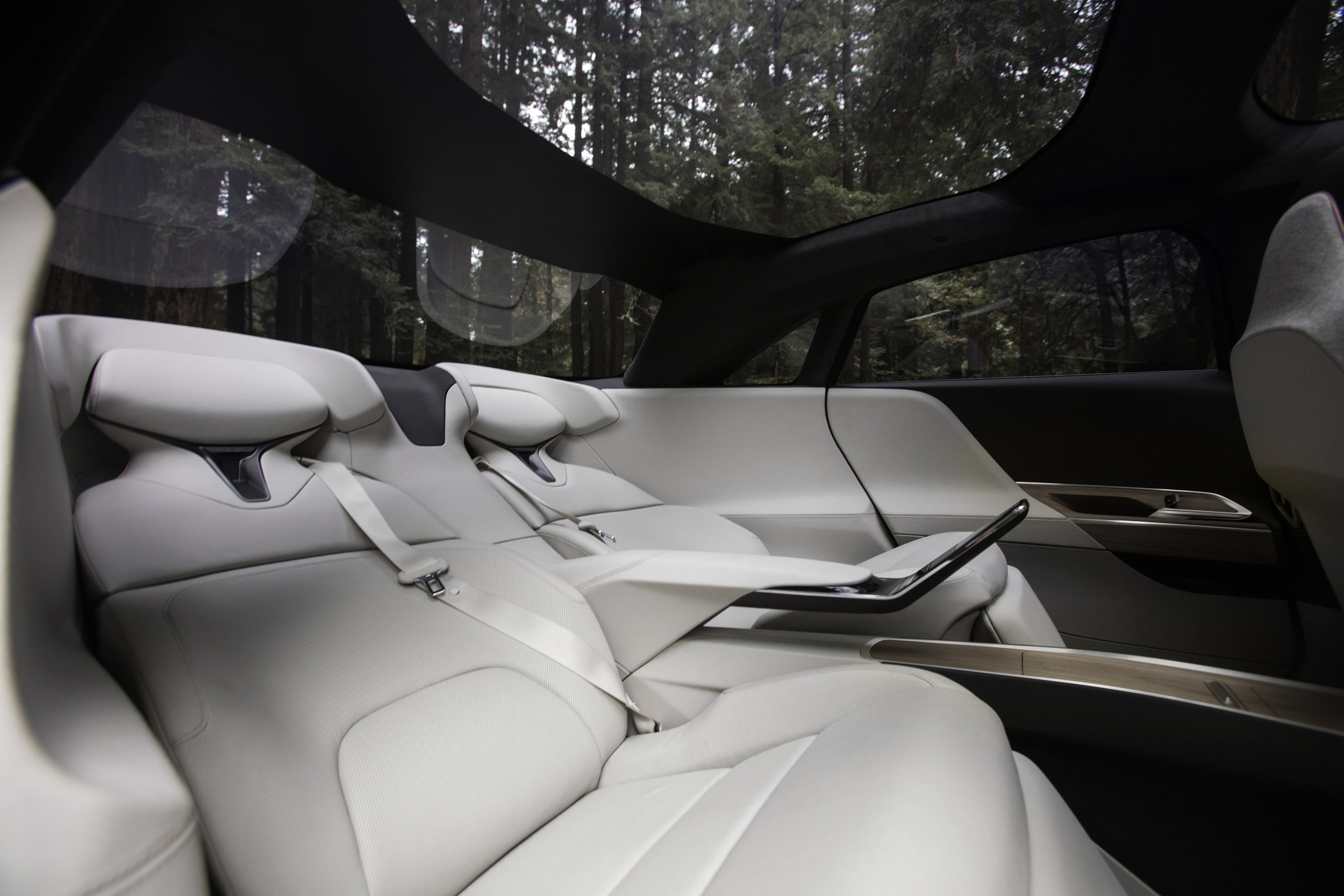
I’ve had top-level conversations with global auto manufacturers about the importance of sleep, relaxation and sex in a self-driving vehicle and I’ve tested VR content, enhanced by the dynamic physical actions of a moving car. The choice of surface materials and storage solutions will become increasingly important as we’re given more time to physically interact with the environment around us and we’ll become less accepting of something that merely transports us from A to B.

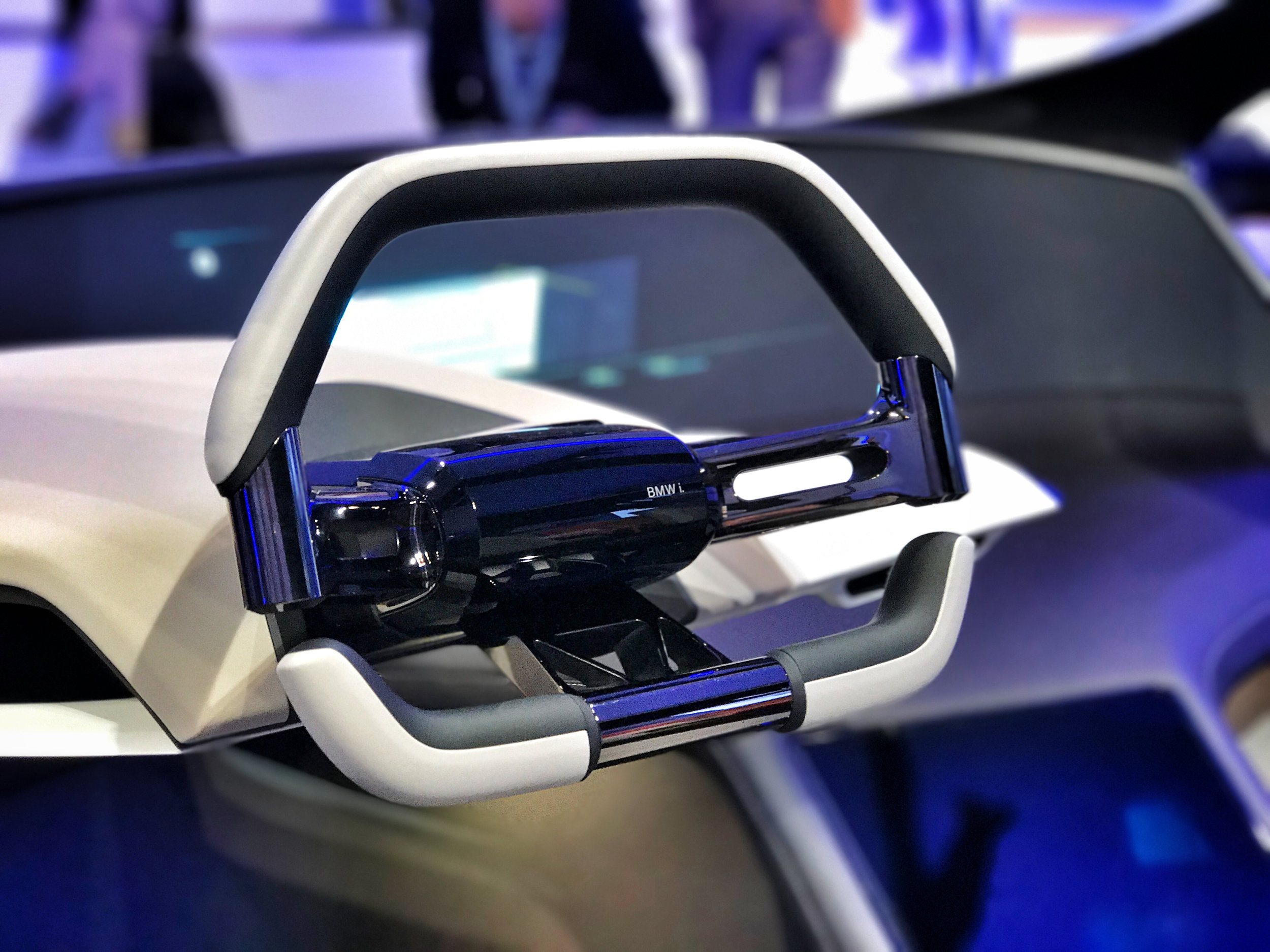
Every action and instruction can be transmitted through gesture or voice, but in vehicles built for dual-driving (switchable between self and human-input) we’ll still appreciate tactile input systems such as rotary dials and switches even if some simply trade on brand history, but add strength and conviction in the process.

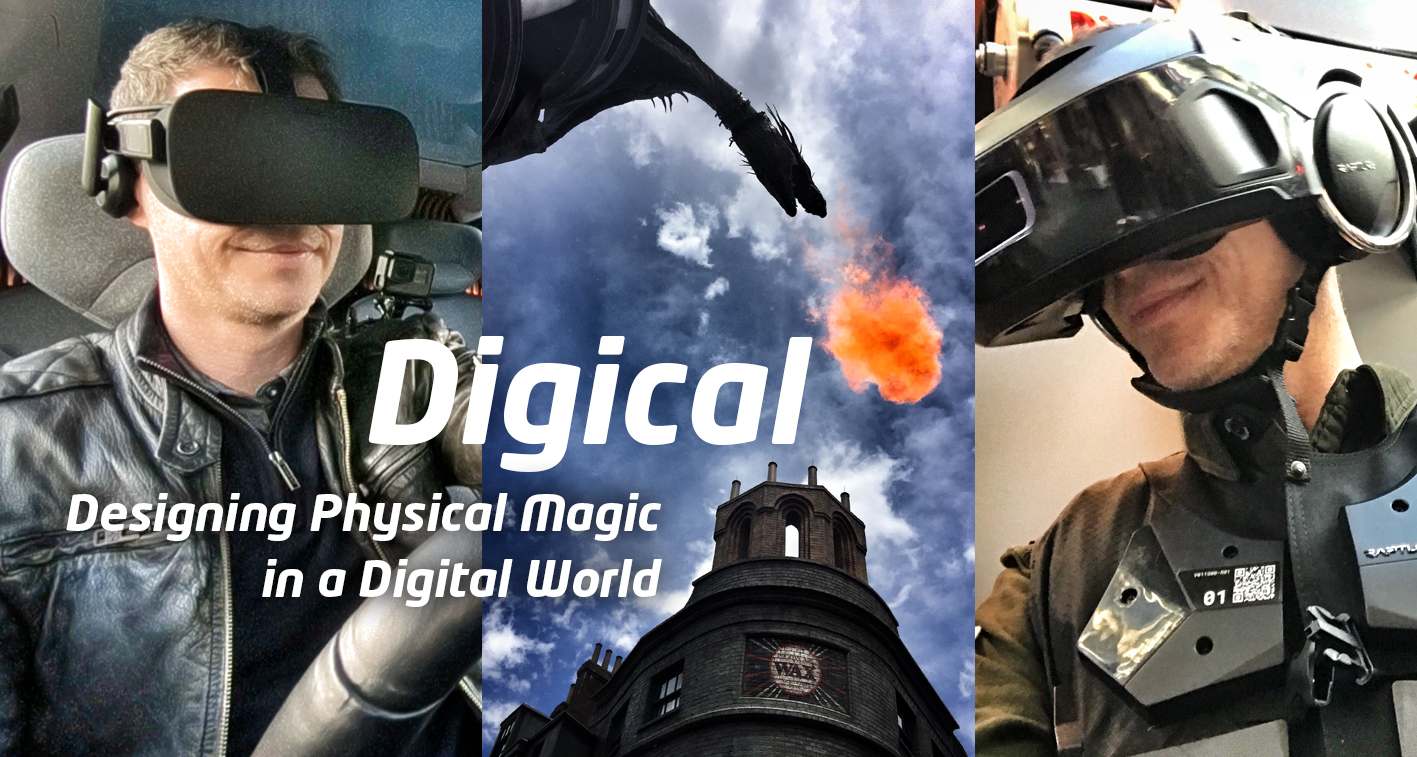
Part of the reason I spent 48 hours in Virtual Reality last year was to counter the argument that all VR time was wasted on a sofa watching movies or playing games. We planned as much physical activity as possible (including the wing-walk, go-kart racing, boxing and my real-world tattoo) and successfully combined physical kit with digital platforms and content.

VR48.JPG

However, Teslasuit have brought this physical element even closer to the virtual world with their full-body haptic clothing, sending electrical stimuli to muscle groups and delivering physical presence direct to digital experiences. I have been fortunate to not only test the suit with an eye to potential real-world application, adding value rather than IoT clutter, but also combine this with further wearable technology.

As much as I hate acronyms (and MR in particular), my Immersion Suit is all about the XR – (e)Xtended Reality. By taking a base layer supplied by the Teslasuit and adding bionic shoes, exoskeleton gloves, AR and VR helmets and a smattering of fireballs, I’m successfully combining the real with the hyper-real and providing a platform for digital content plus the opportunity to talk about what works, what doesn’t and what the future holds for us all.

Teslasuit.JPG

And that future doesn’t need to look ridiculous. OK, I’m not saying we’ll all be running around in Immersion Suits in ten years (or twenty), but FashTech is a real thing, as is good product design so it’s important the view we’re projecting of the future is one we don’t just think is acceptable, but actually mirrors developments in materials and manufacturing in the fashion industry.

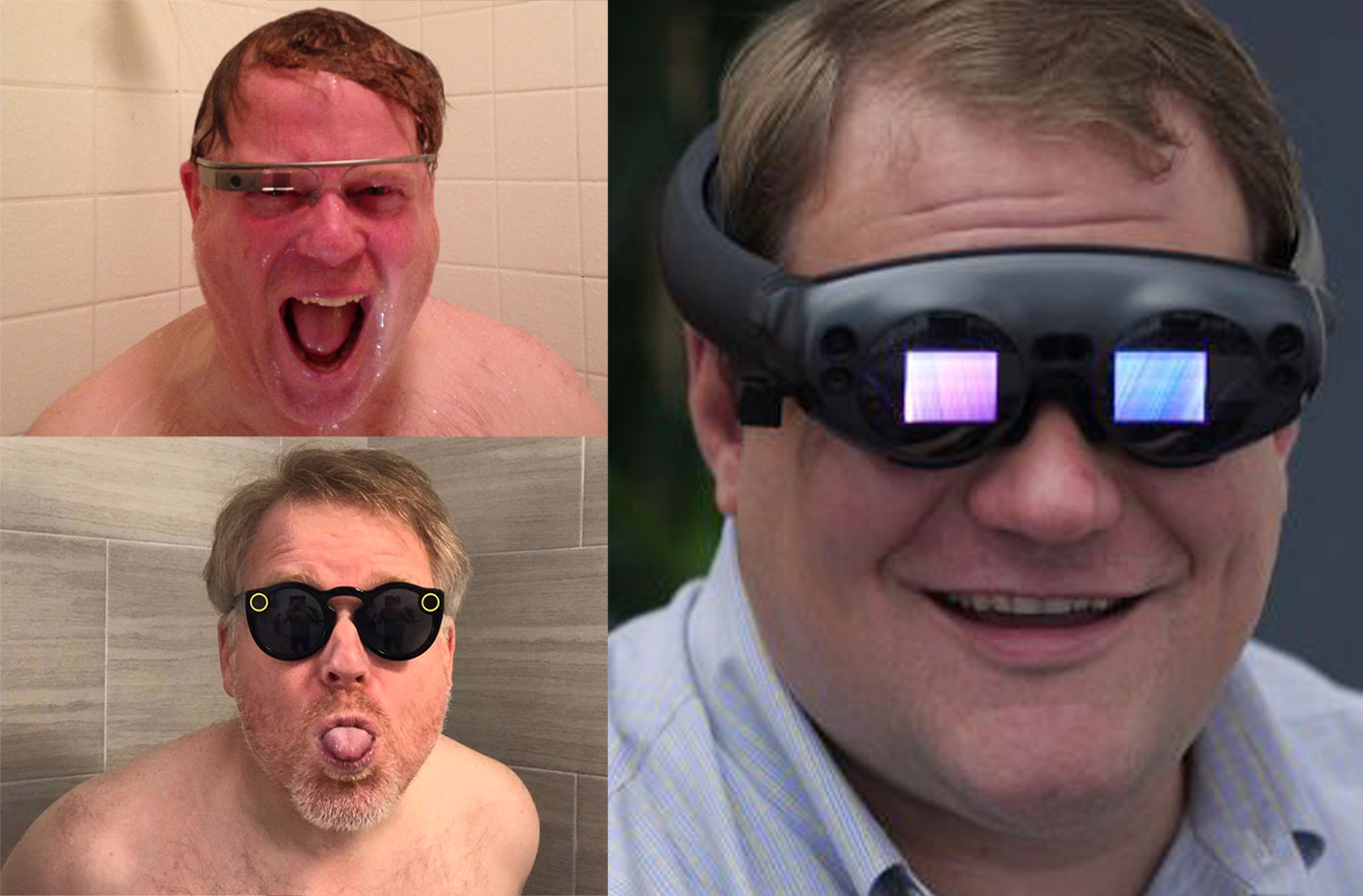
Google failed to predict the negative brand association of Robert Scoble stood naked in a shower, wearing Glass. It wasn’t a consumer product, but it soon hit the consumer press – as did Scoble a few years later for ALL the wrong reasons.
Magic_Leap.jpg

Is Magic Leap displaying a similar naïveté (or arrogance) as images emerge of tech geeks clad in Magic Leap One headsets swamping consumer press and social channels? The technology is undoubtedly incredible (as was Glass) but no one wants to think they’ll look stupid in the future – and that’s exactly how Magic Leap pioneers are being portrayed right now.

Product design is about more than ergonomic comfort and shoehorning the right amount of tech into an acceptable space. It’s also about the look, the feel and the image. Just pick up any Apple product, hold it, balance it in your hand then ask yourself how it makes YOU feel.

Which brings us to Disney. And The Void.

“AR, not VR is the way of the future for Disney Parks.

What we create is an experience that is real.”

Bob Iger

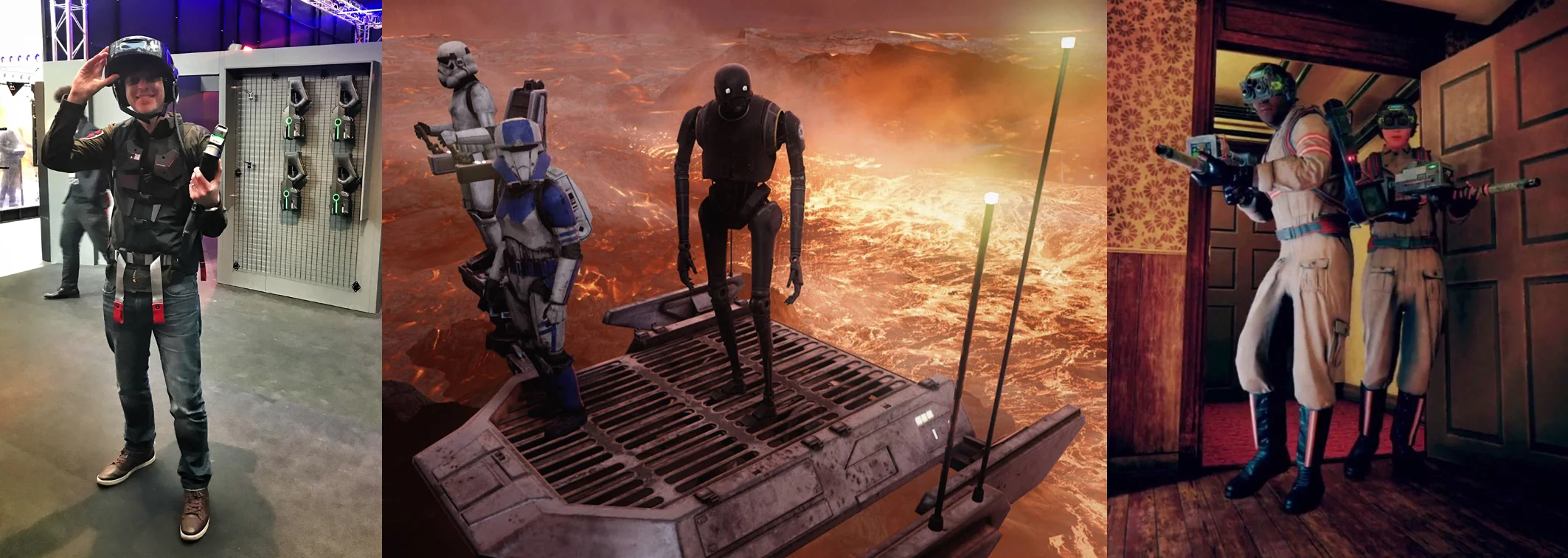
And then Disney partnered with The Void, Lucasfilm and ILM to produce ‘Secrets of The Empire’ – the best Immersive VR experience to date. My previous benchmark was ‘Ghostbusters: Dimension’, another Void experience with Sony Pictures at Madame Tussauds in New York.
VoidPics.jpg

I’m fortunate to have been on Utah-based The Void’s journey since their early days so appreciate how far they’ve come. Their bespoke helmet design, haptic vest and weaponry fit perfectly with these immersive cinema experiences when adding blasts of air, heat, vibration and physical environments. This is transformative digital technology, genuinely transforming by offering a physical experience – not a replacement for it.

Spending a lot of time in VR (I’ve probably racked up more hours than most) it’s clear the technology is incredible, with experiences beyond our wildest dreams. But those dreams are even more magical when we share them with others in the physical world around us. Disney has perfected the art so it’s easy to see why Bob Iger views Augmented Reality as a more suitable experience for his parks than VR.

But we’ll have to wait for the AR headsets to improve before that becomes the shared experience we’re used to in a theme park environment. Poor Field of Vision (FoV), battery life and hygiene are holding back wider adoption – which leaves us with the real world.

Disney stands alone like no other collection of brands, properties, platforms and products, with a heritage to die for. But turning the spotlight on the new(ish) kids on the block, the magical world of Harry Potter is winning when it comes to contemporary physical brand extension. A ride on the Hogwarts Express or browsing every store in Diagon Alley at Universal Studios, or getting up close and personal with the costumes, props and sets at the Warner Bros Studio Tour – these are delivered to an extraordinary standard. Next steps could easily combine an AR overlay or a complete VR experience – but these physical environments already feel magical and out of this world so they must add genuine value.

Potterblock.jpg

The more I consume digital, the more I appreciate physical and the higher expectations I have of each.

Almost every industry is guilty of developing digital content without fully considering physical interaction. But the future isn’t one or the other.

This isn’t about choosing a physical OR digital solution – it’s about effectively combining the two, with a love and appreciation of each. Let’s get Digical.

tags: CES 2019, VR, AR, Mobility, Cars, self driving cars, AI, Experience design, experiential
categories: Artificial Intelligence, Automotive, cars, Connected World, Design, Futurology, Innovation, Mobile technology, Mobility, Virtual Reality, Wearable Technology
Tuesday 09.11.18
Posted by Dean Johnson
 

Uploading The Future…

The doors of the elevator open and instead of facing inwards towards the security of a welcoming carpeted corridor, they reveal a 30 storey drop on the outside of a gleaming glass structure at the heart of a bustling city. The wind hits you, every hair stands on end and you struggle with a moment of panic, staring into the unknown. Then adrenaline kicks in, your mind races and you take a step forward…

Uploading_The_Future4_ARB.jpg

I’ve faced exactly this scenario in virtual reality, although I like to bungee jump and abseil so I didn’t cling to the back of the elevator. However, I’m not describing a utopian or dystopian digital future. Individuals and businesses face this kind of dilemma every day but most choose to stay where they are, or even step backwards rather than commit to change and champion progress.

There’s nothing wrong with appreciating what you have or taking inspiration from what you had, but to truly innovate you need to push boundaries and look to the future.

And that’s what I’ve been doing for 34 years.

Boundary-pushing isn’t always welcomed, but my brand of change has never failed to deliver results. From my earliest business interests (at the age of 13), starting a magazine and software label, through a career as a graphic designer, to the combination of design, technology and innovation over the last decade.

I’ve told heads of global automotive brands to integrate reclining seats for sex in autonomous vehicles. I’ve given VR advice on Capitol Hill at the heart of US Government. I have demonstrated emerging technology to NATO, told Apple where to focus on Wearable Tech, Publishing and AR and continue to test products, services and theories to destruction – or survival.
In 2009, I successfully predicted the existence of Apple’s iPad and helped deliver the first app on day one to expand opportunities for the Publishing industry. I designed, produced and wrote one of Apple’s first interactive iBooks (Design top 20 for 6+ years). I followed this with deeper focus on Wearable Technology, resulting in an automative app title alongside the launch of the Apple Watch.

But what happens when the technology we’re faced with doesn’t go far enough, or the messages from or about an industry just aren’t going anywhere? You push and you deliver your own results. Nowhere is that better illustrated than in my 48 hours in Virtual Reality where I tested full body interaction driving a go-kart and strapped to the top wing of a bi-plane, fell asleep and woke up in VR to test mental awareness and had a tattoo whilst wearing a headset to prove the benefits of virtual distraction to mitigate pain.

I didn’t set out to write an ‘Isn’t Dean Innovative’ list, but I’ve found myself personally pushing these boundaries for decades rather than simply quoting other people’s experiences – or accepting “no” for an answer. As I said in my TEDx Athens talk...

“I’d rather apologise for something awesome, than ask permission for something lame”

…which is why I’m excited to announce that I am now taking those 34 years of valuable experience to the rest of the world as a Design, Technology and Innovation Consultant. I’ll be continuing to develop my XR Immersion Suit to push boundaries in ALL the realities, bring these to life on global corporate and public stages and help others to push their own boundaries.

ARB_XR_Suit_main_NoLogo.jpg

I also plan to write a book about the future of Automotive and Mobility – but I can’t offer you everything in one article.

So let’s step back into that elevator again. Don’t worry, I won’t make you jump off the building this time, but forget about Dave in accounts, or that Board meeting on floor 27, or the canteen at your designated lunch hour. Press a number you’ve never pressed before and begin a voyage of discovery. It might only be the mail room, but you could find yourself on the Holodeck or in a chamber full of cryogenically frozen world leaders.

But you won’t know if you don’t try. It’s why I'm not afraid to tell it like it is, how it’s going to be, and how to design the future.

I am, and always will be, a rebel with a cause.

tags: design, technology, tech, innovation, XR, VR, AR, AI, Immersion, startup, consultant, futurology
categories: Automotive, Artificial Intelligence, Apps, Books, Business, cars, Conference, Connected World, Design, Digital Publishing, Futurology, iBooks, Innovation, Mobility, Publishing, Virtual Reality, Wearable Technology
Thursday 08.16.18
Posted by Dean Johnson
 

Goodwood Festival of Speed: Alive and Kicking

Contrary to popular belief, the motor industry is alive and well… and Goodwood Festival of Speed once again proves this point. 

This annual automotive extravaganza isn’t an out-of-touch bubble of petrol-headed enthusiasts descending on Lord March’s estate – it’s proof that there’s hope for an extraordinary industry.

I’m the first to talk about the future of the business, where incredible technology will deliver a safer and more efficient transportation network, but I’ll always counter this with a need for brand individuality and a personal love of driving. Give me autonomous commuting, but hands-on engagement for those twisting back roads. I want to see alternatives to fossil fuels, but silence isn’t always golden so deliver the sound of the future, not merely the vision.

I’ve written enough about Goodwood to avoid repeating myself again, but this incredible event is a sell out every year. Attendees of all ages reminisce about past racing glories, touch the supercars of today and marvel at the concepts for the next generation of characterful transportation.

You won’t find bottom-of-the-range city cars – this is about realising potential and dreaming big and it’s how the brands with panic in their eyes can best educate future audiences to the benefits of driving and ownership.

From a stunning show, I’ve chosen my top 4 cars and the best luxury and volume brands…

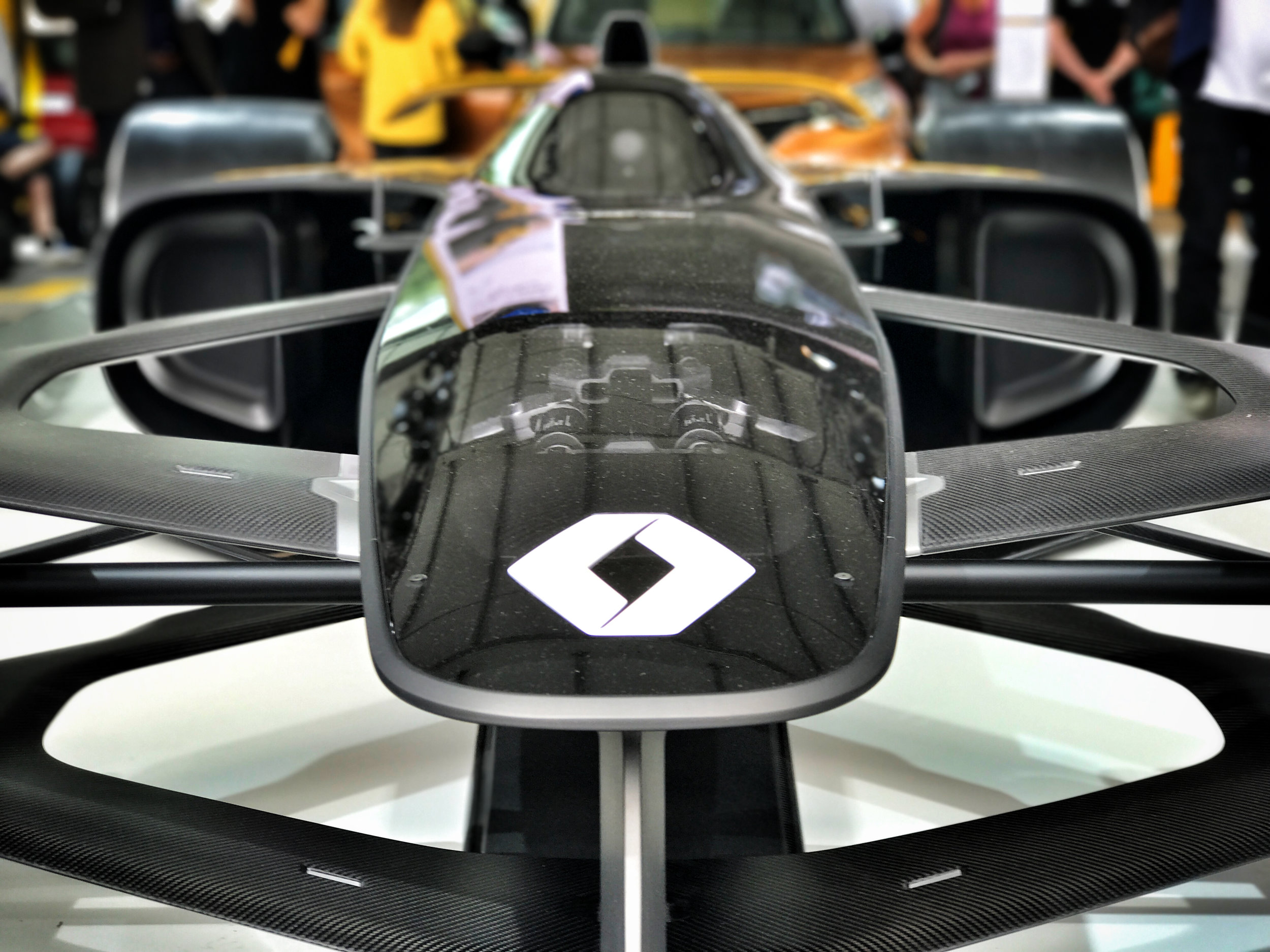
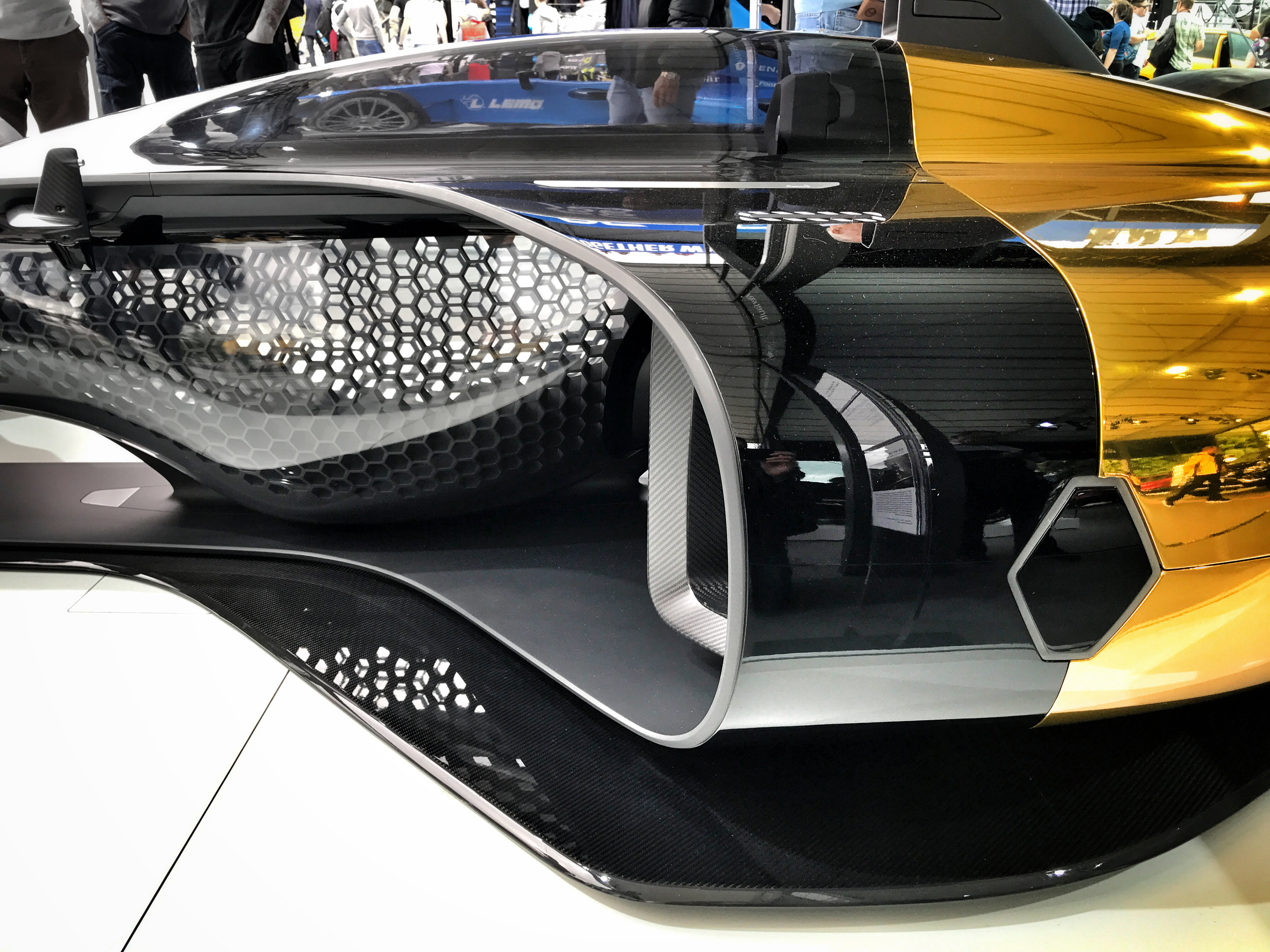
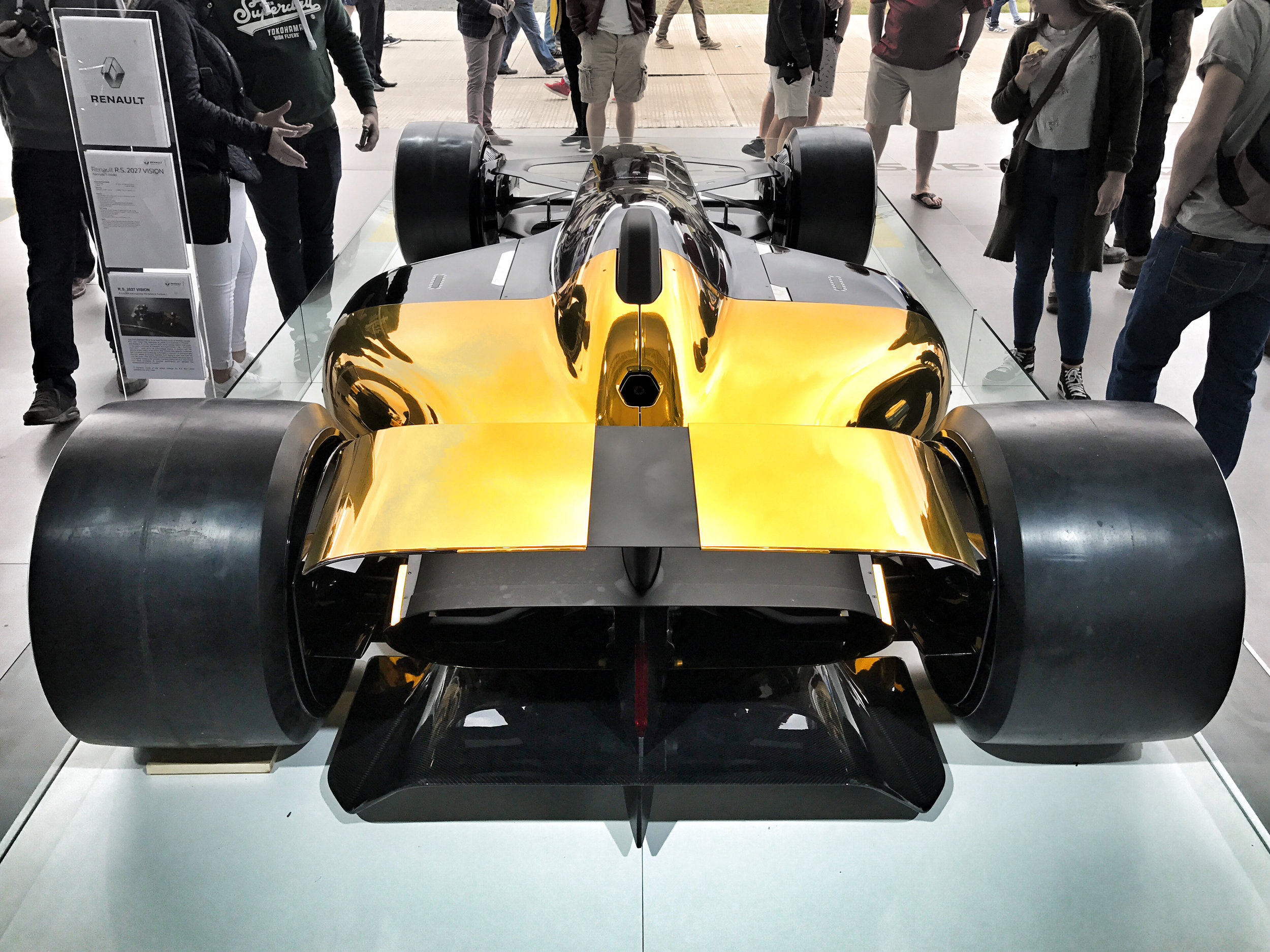
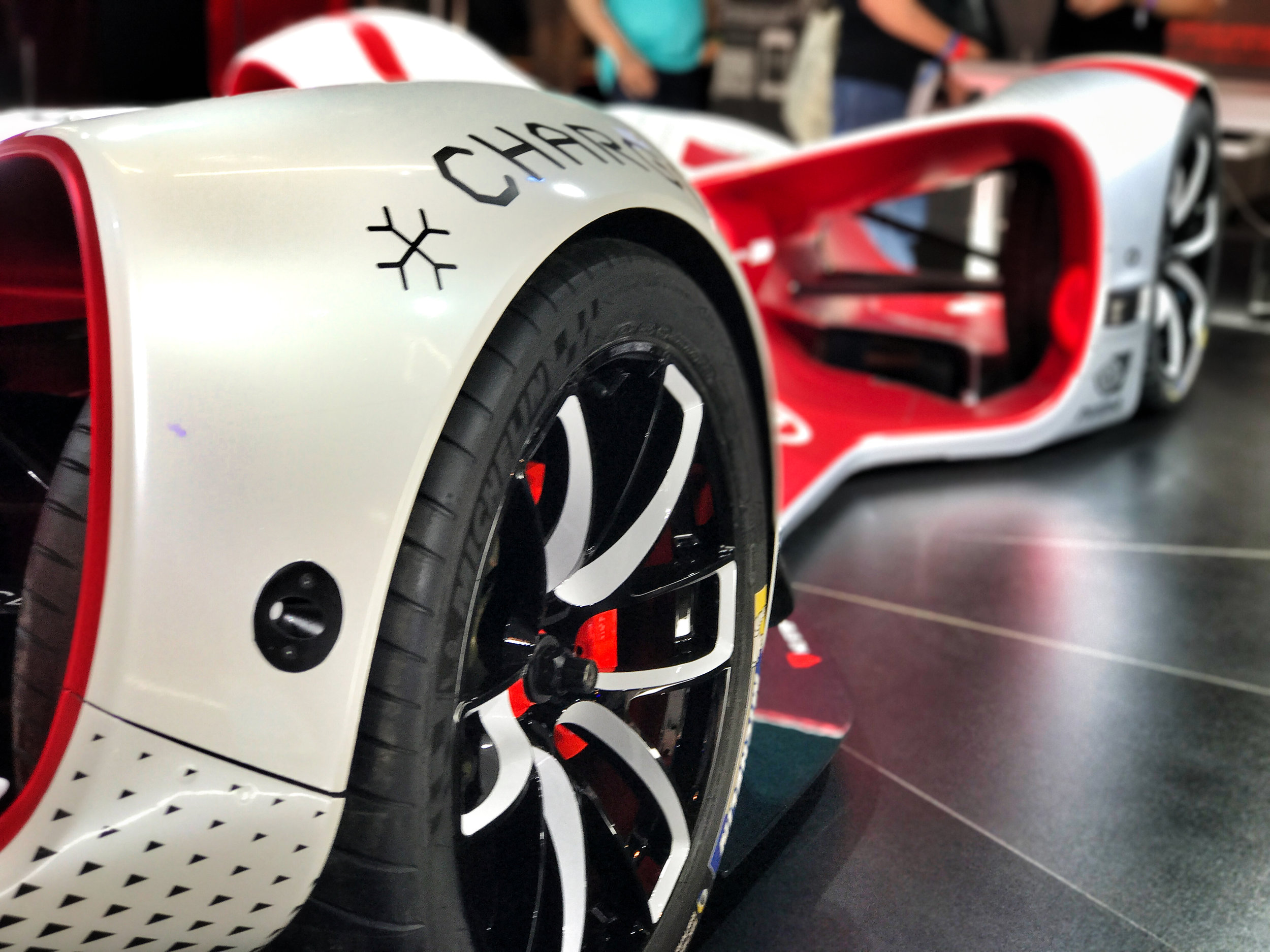
4 > Renault R.S. 2027 Vision

A stunning realisation of the future of F1 racing, from the company already bringing us Formula E racers and their own F1 efforts. I hope Formula 1 reaches this level of design thinking before 2027!

IMG_7438.JPG
IMG_7441.JPG
IMG_7443.JPG
IMG_7444.JPG
IMG_7438.JPG IMG_7441.JPG IMG_7443.JPG IMG_7444.JPG

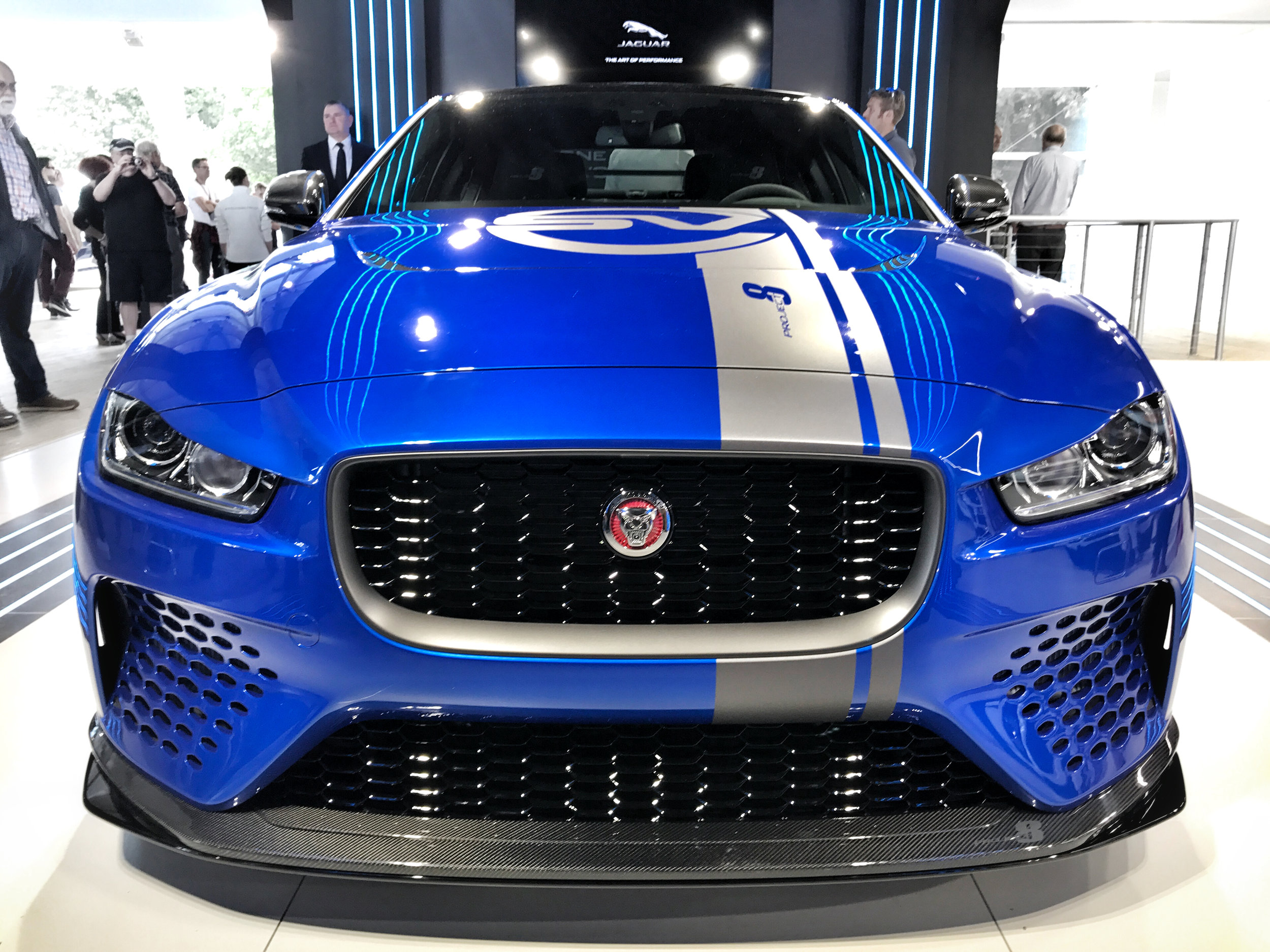
3 > Jaguar XE SV Project 8

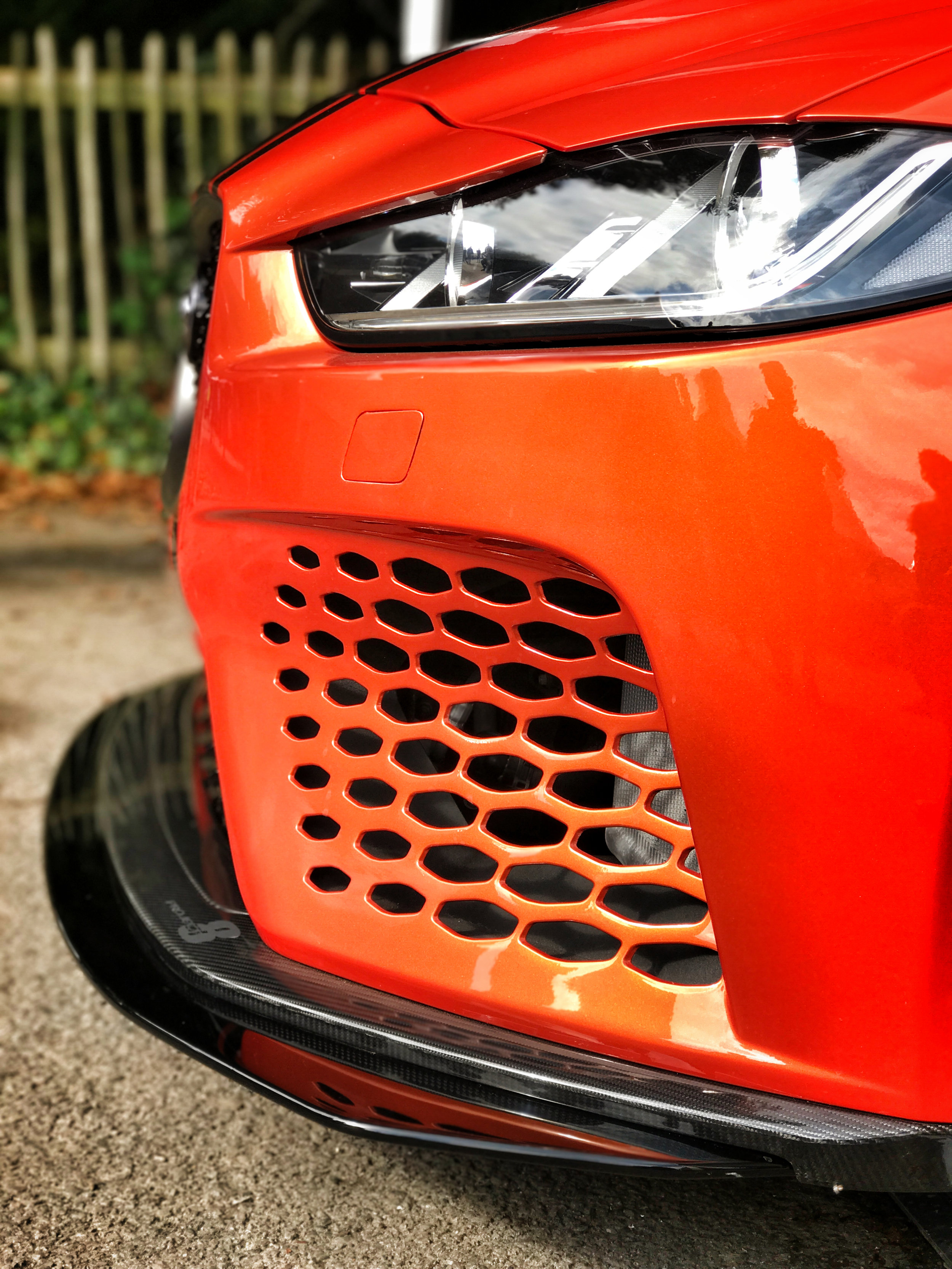
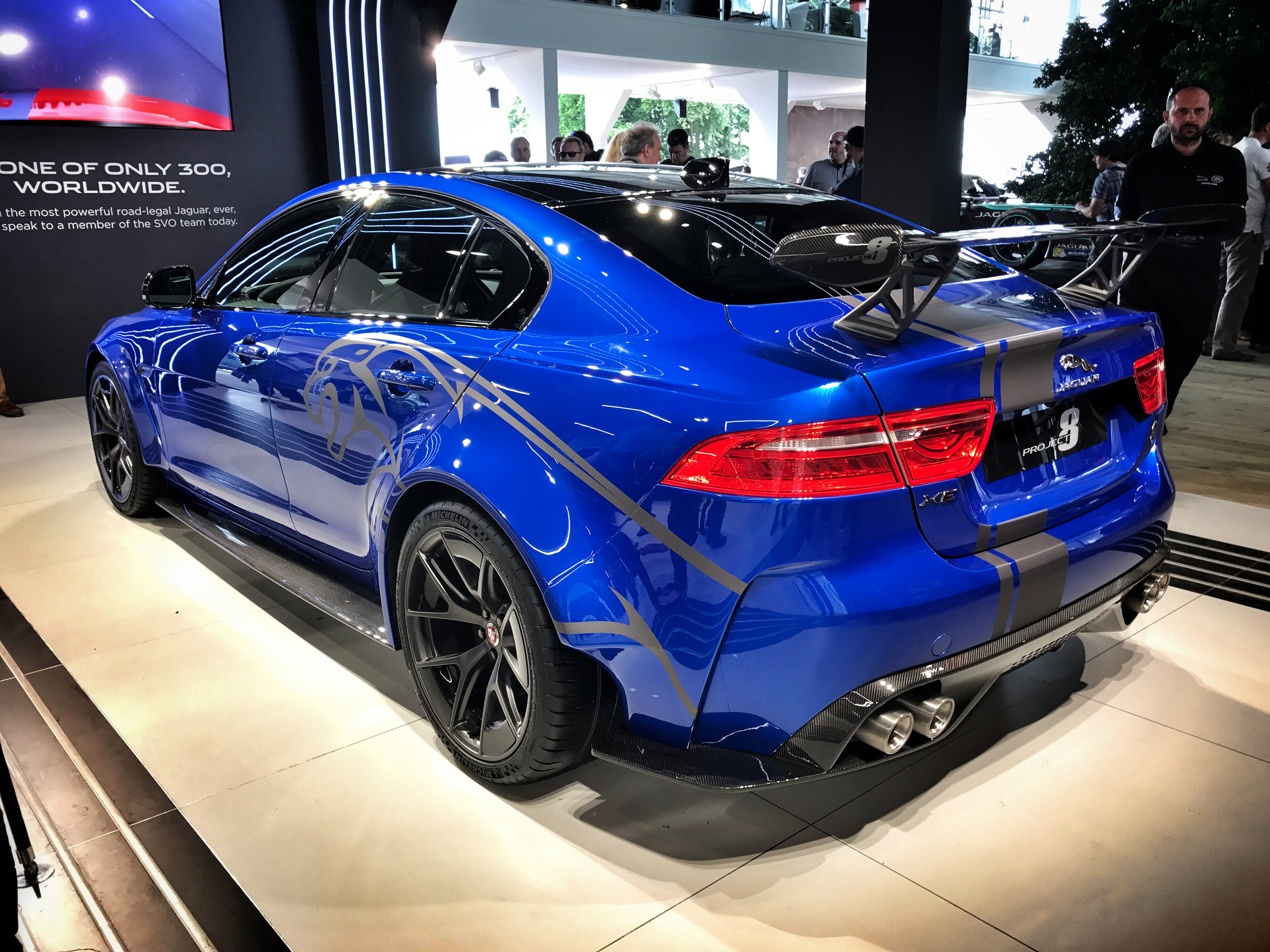
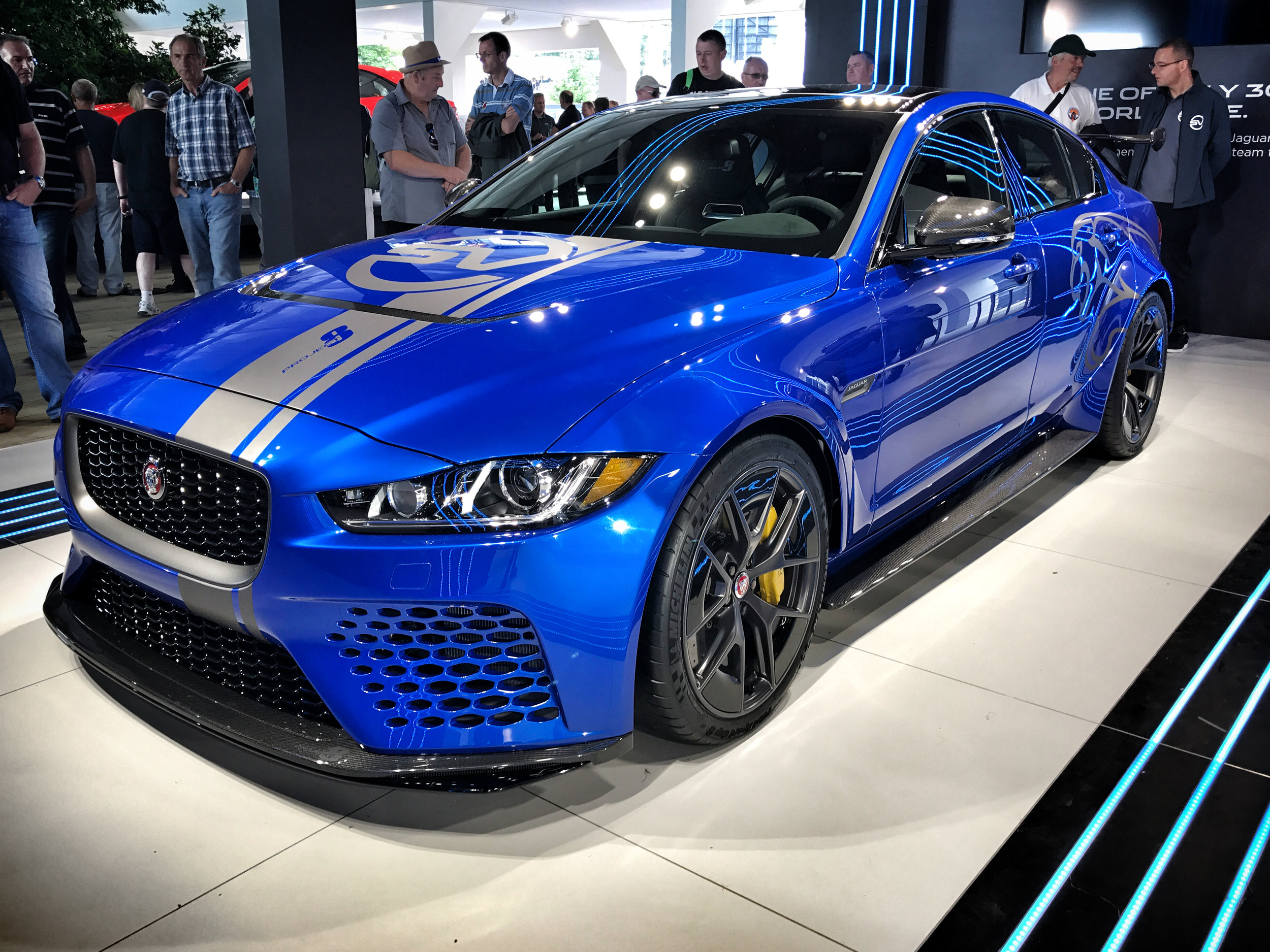
Jaguar’s smallest offering (until the I-Pace arrives) on steroids. The SVO team has injected 200mph and 600PS into this saloon to deliver 0-60 dash in 3.3 secs and a great looking car. I love the honeycomb face.

IMG_7454.JPG
IMG_7413.JPG
IMG_7455.JPG
IMG_7456.JPG
IMG_7454.JPG IMG_7413.JPG IMG_7455.JPG IMG_7456.JPG

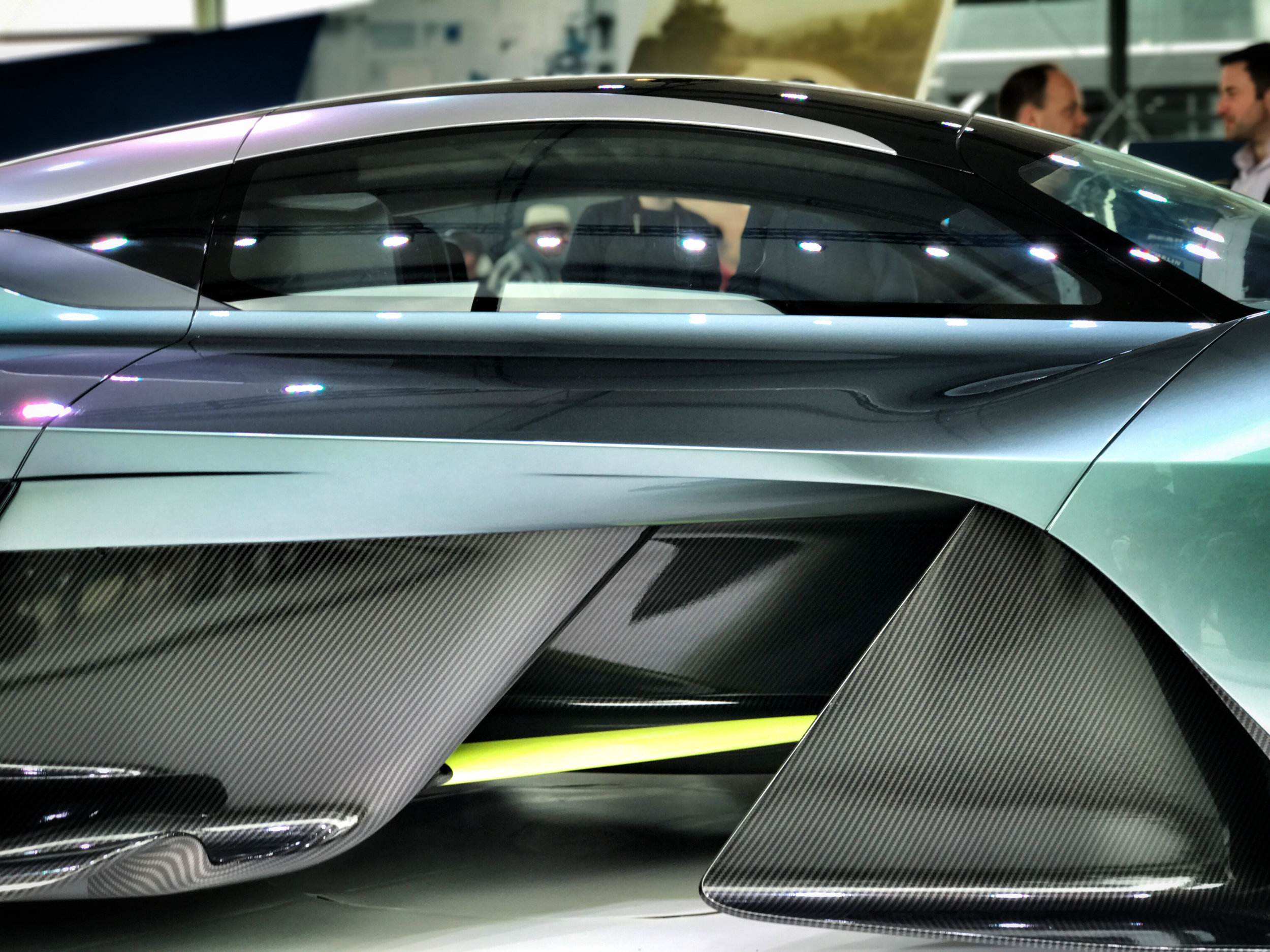
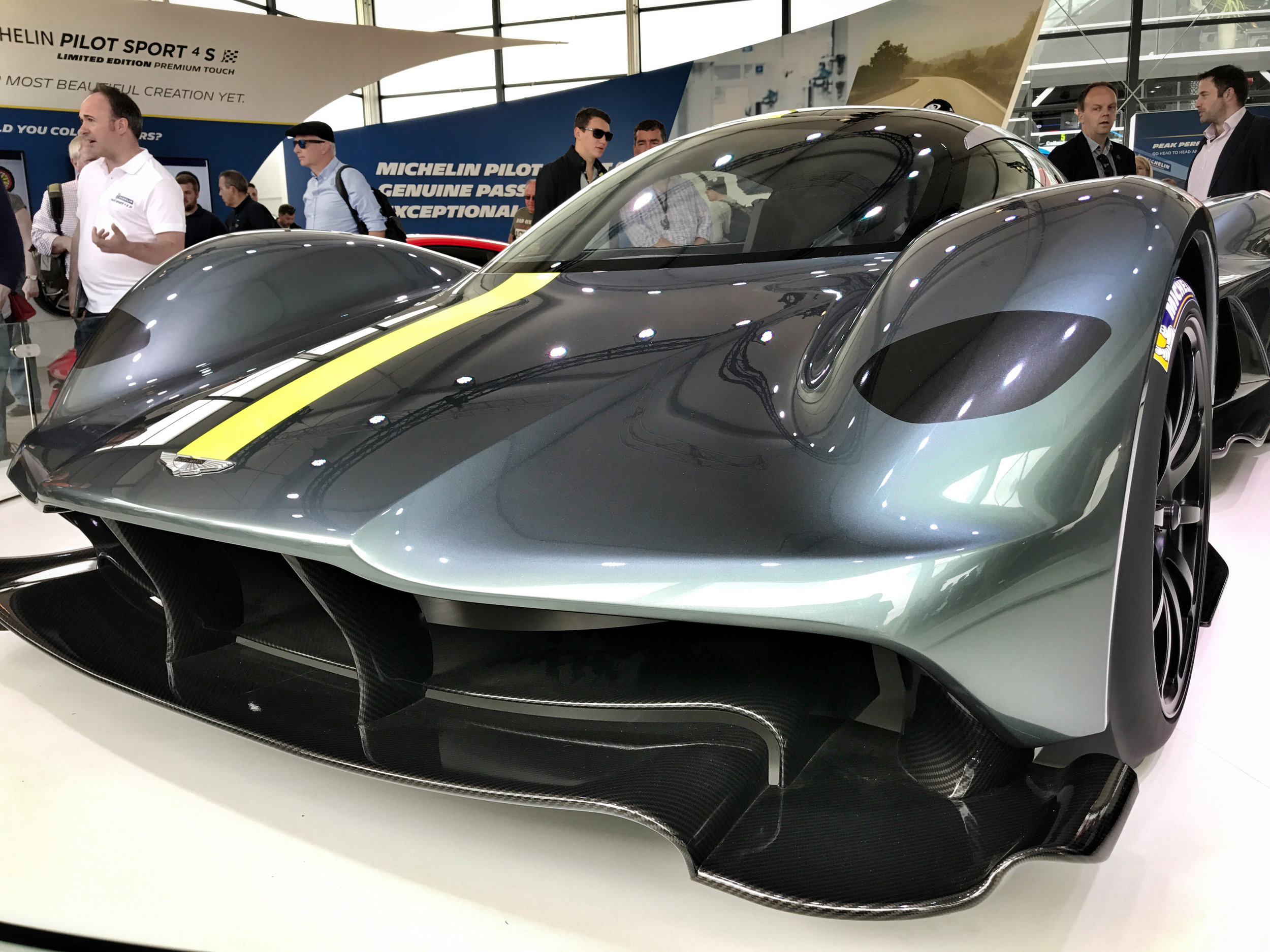
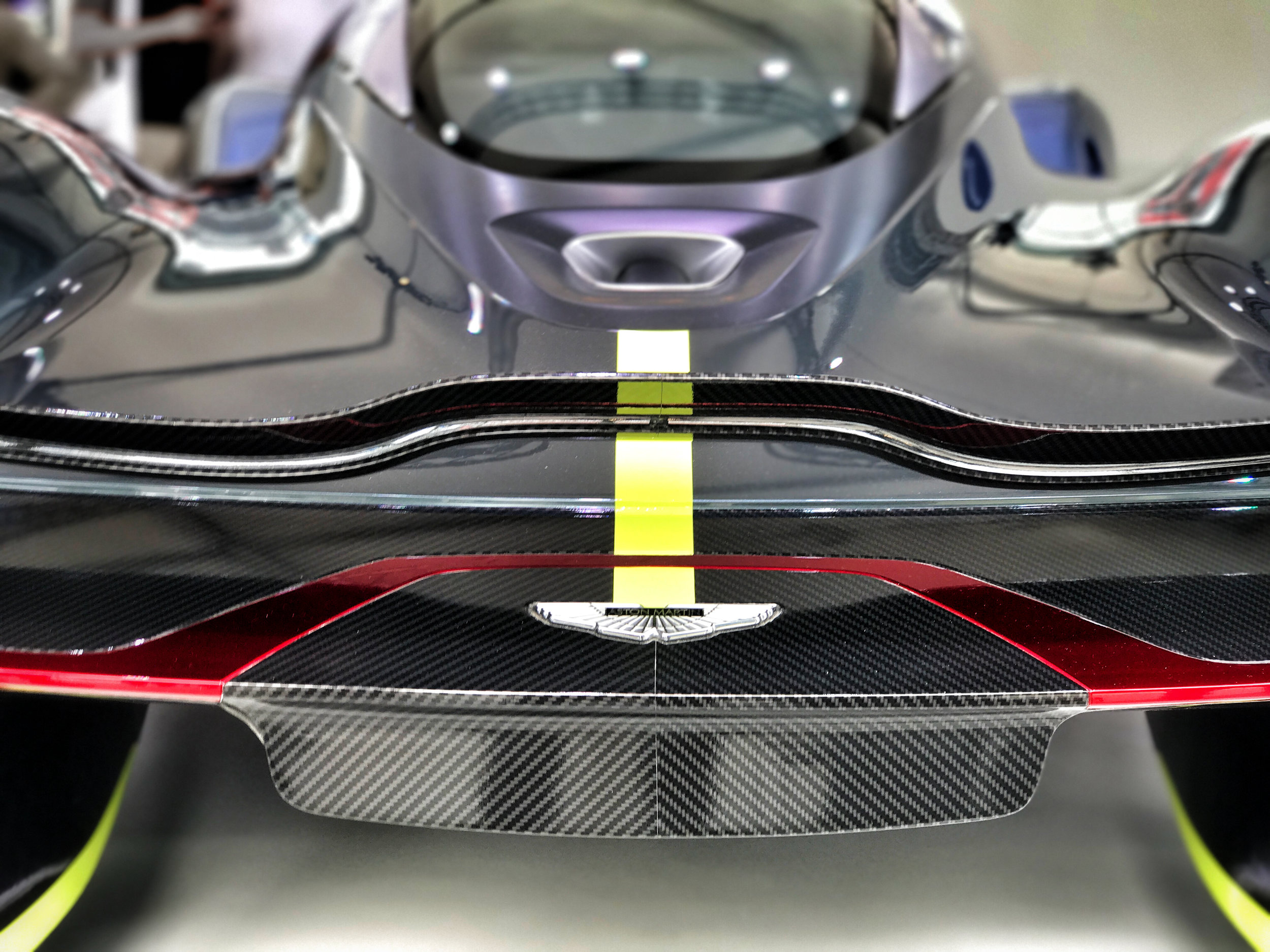
2 > Aston Martin Valkyrie

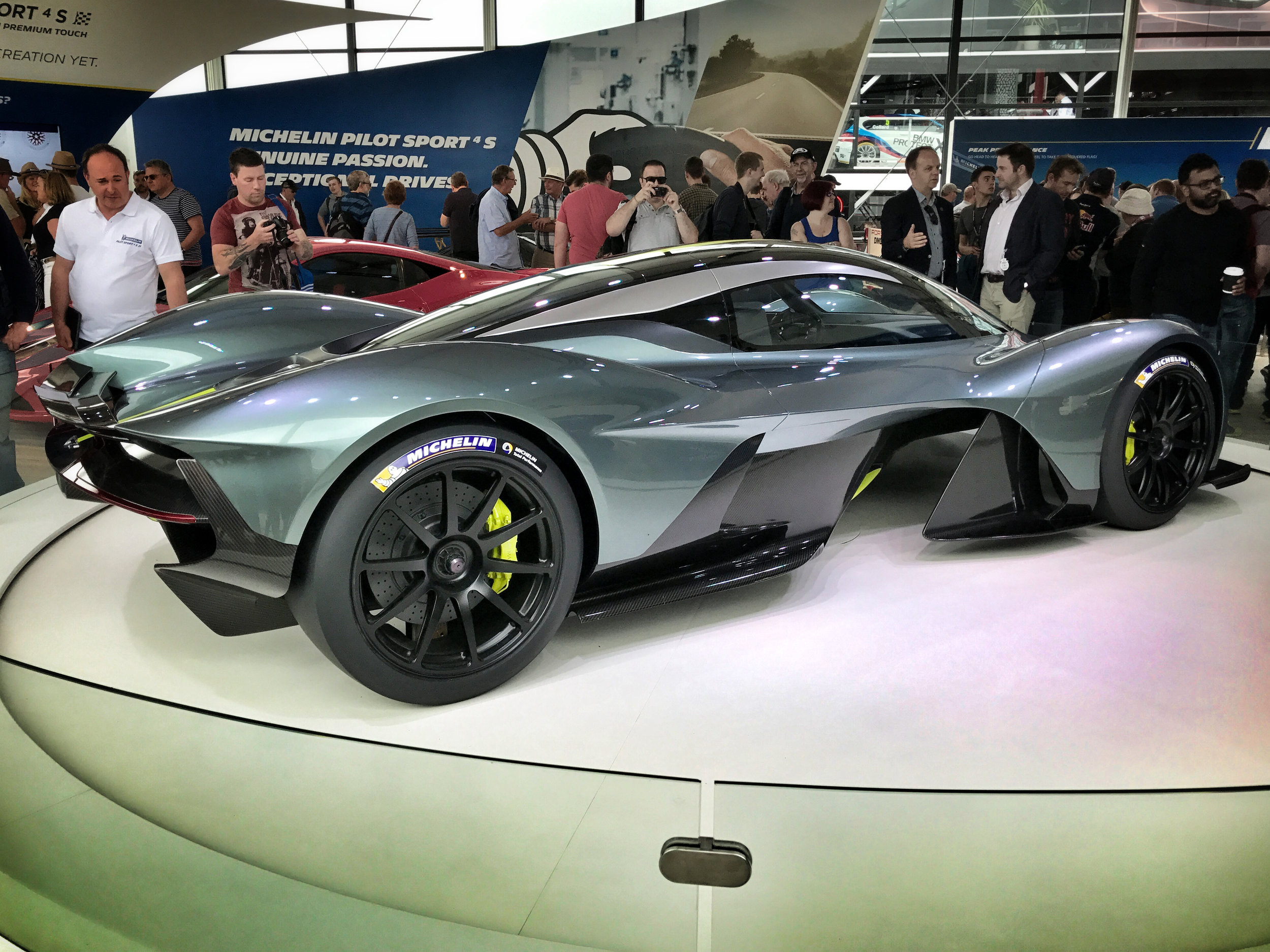
Bringing the hyper to hypercar, this automotive project with RedBull Racing looks more like a fighter jet for the road. It’s hard not to appreciate the aerodynamic superiority and unashamed nod to the future. Very nearly my number one but the green centre stripe loses a point. It works on a Ford GT, but seems unnecessary here – even if it is a nod to the racing team.

IMG_7432.JPG
IMG_7433.JPG
IMG_7435.JPG
IMG_7437.JPG
IMG_7432.JPG IMG_7433.JPG IMG_7435.JPG IMG_7437.JPG

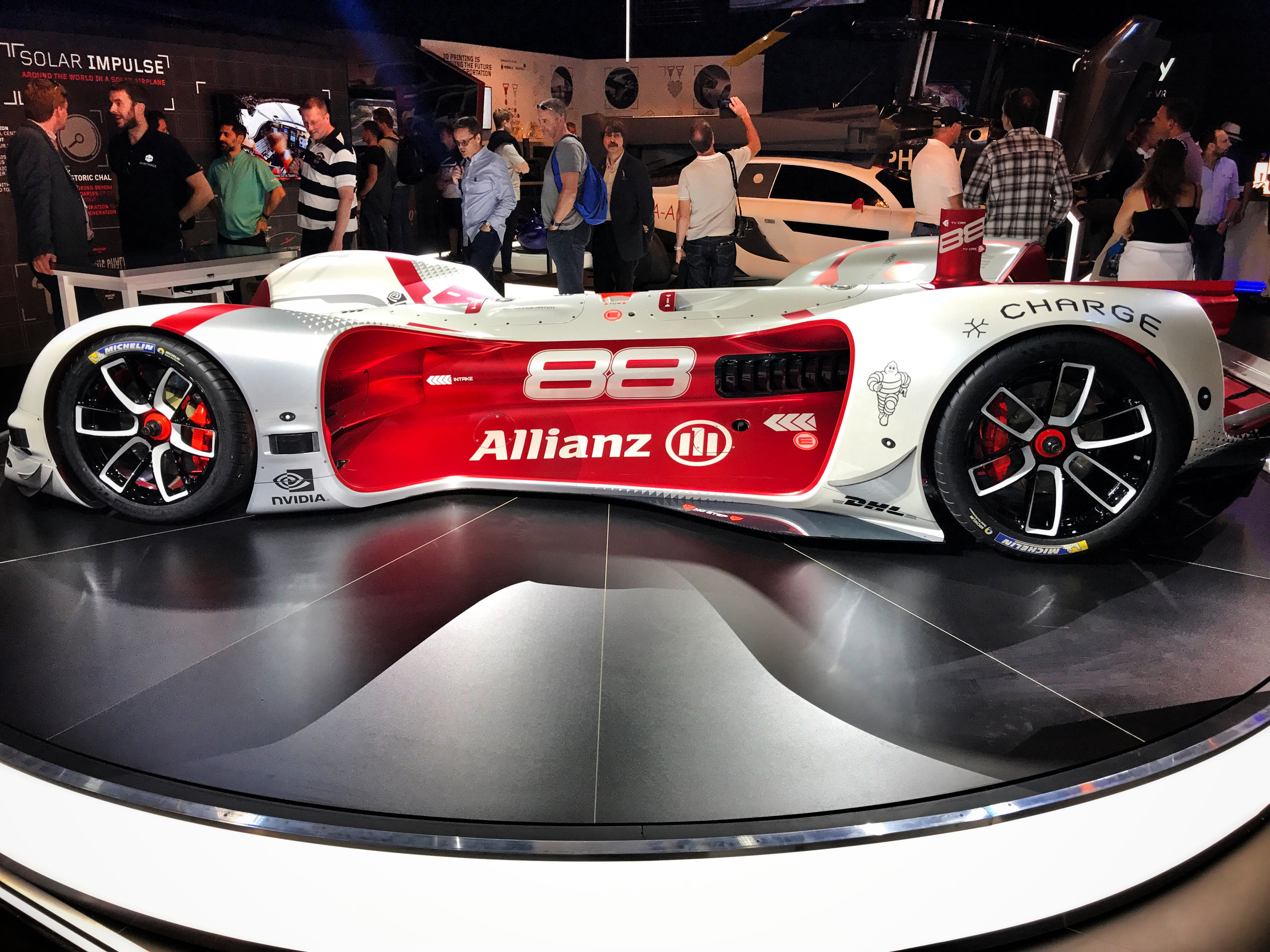
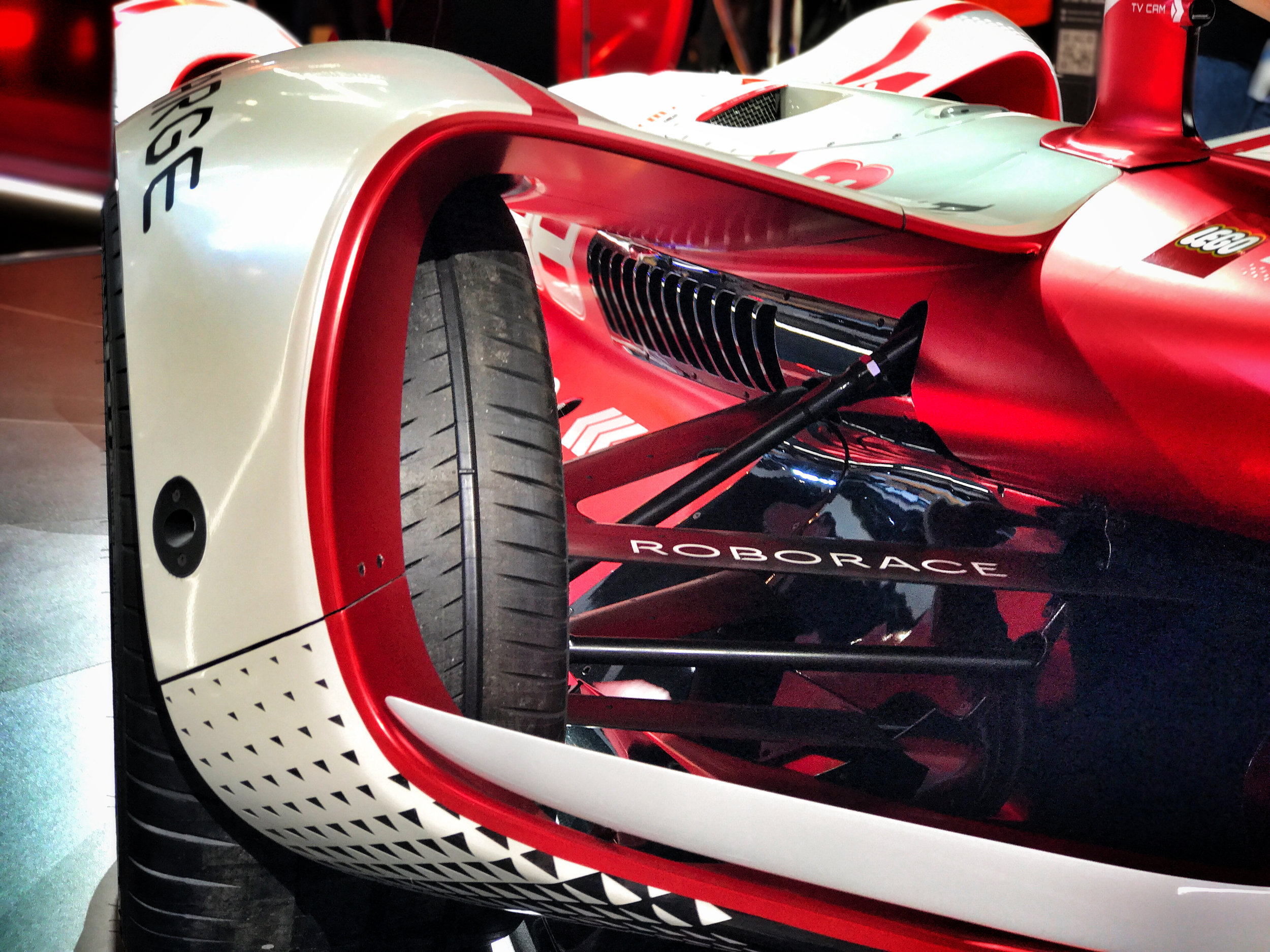
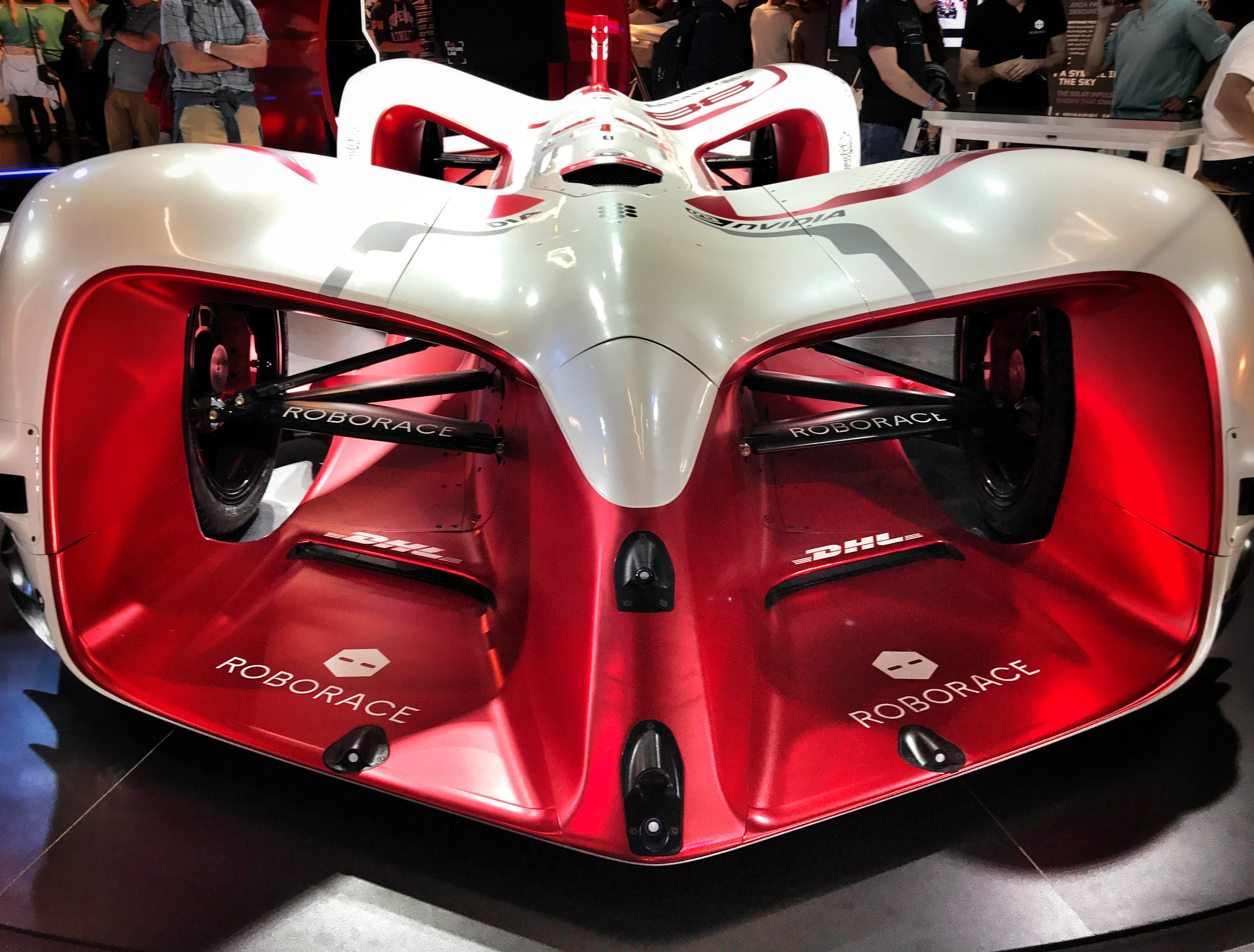
1 > Robocar

Top spot goes to a car encompassing design, innovation, technology and the future of autonomous racing. This vision of supremely talented British designer Daniel Simon is driving its development alongside the Formula E racing series and ticks all the automotive boxes.

IMG_7452.JPG
IMG_7448.JPG
IMG_7449.JPG
IMG_7451.JPG
IMG_7452.JPG IMG_7448.JPG IMG_7449.JPG IMG_7451.JPG

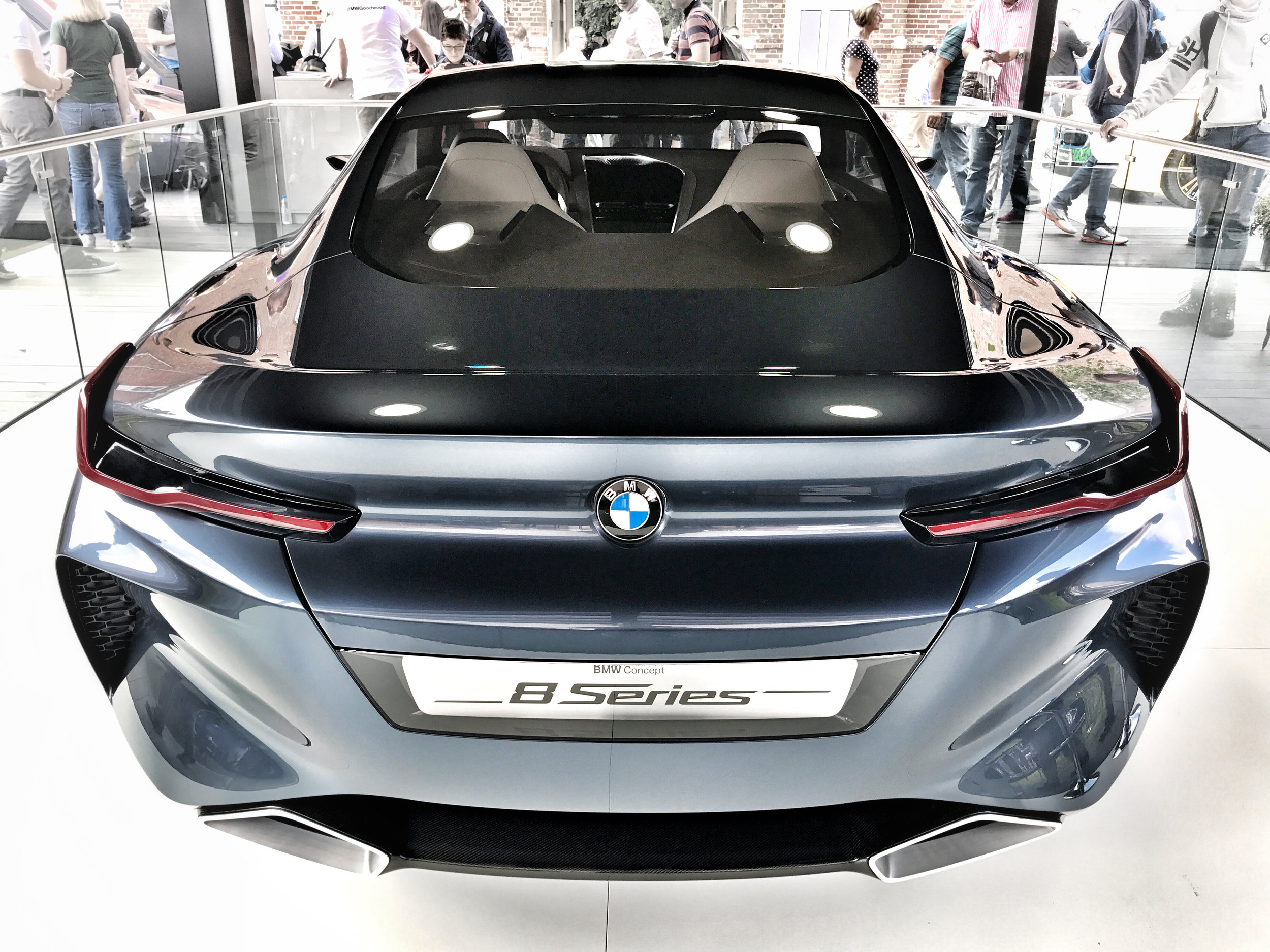
Top Luxury Auto Manufacturer > BMW

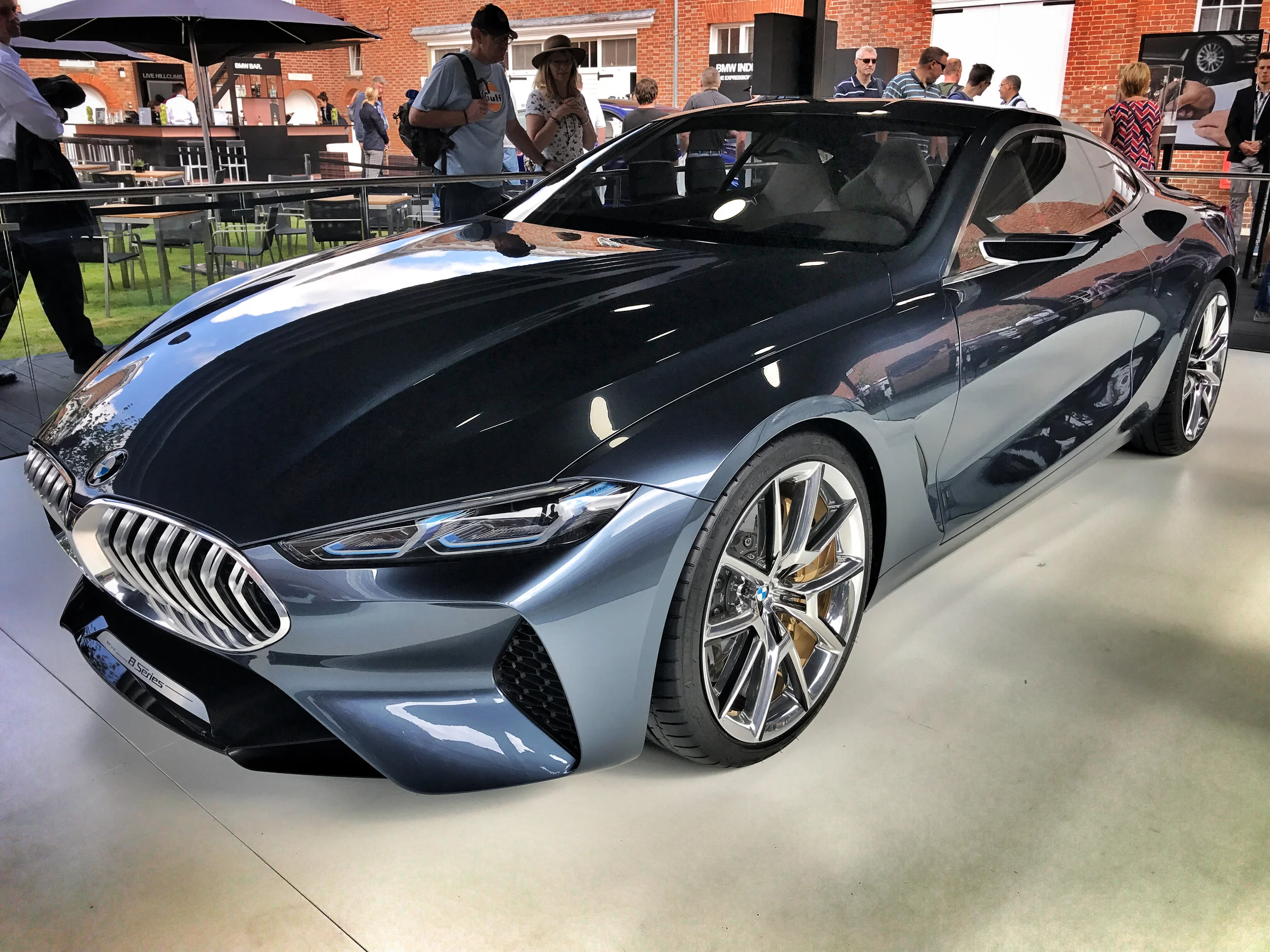
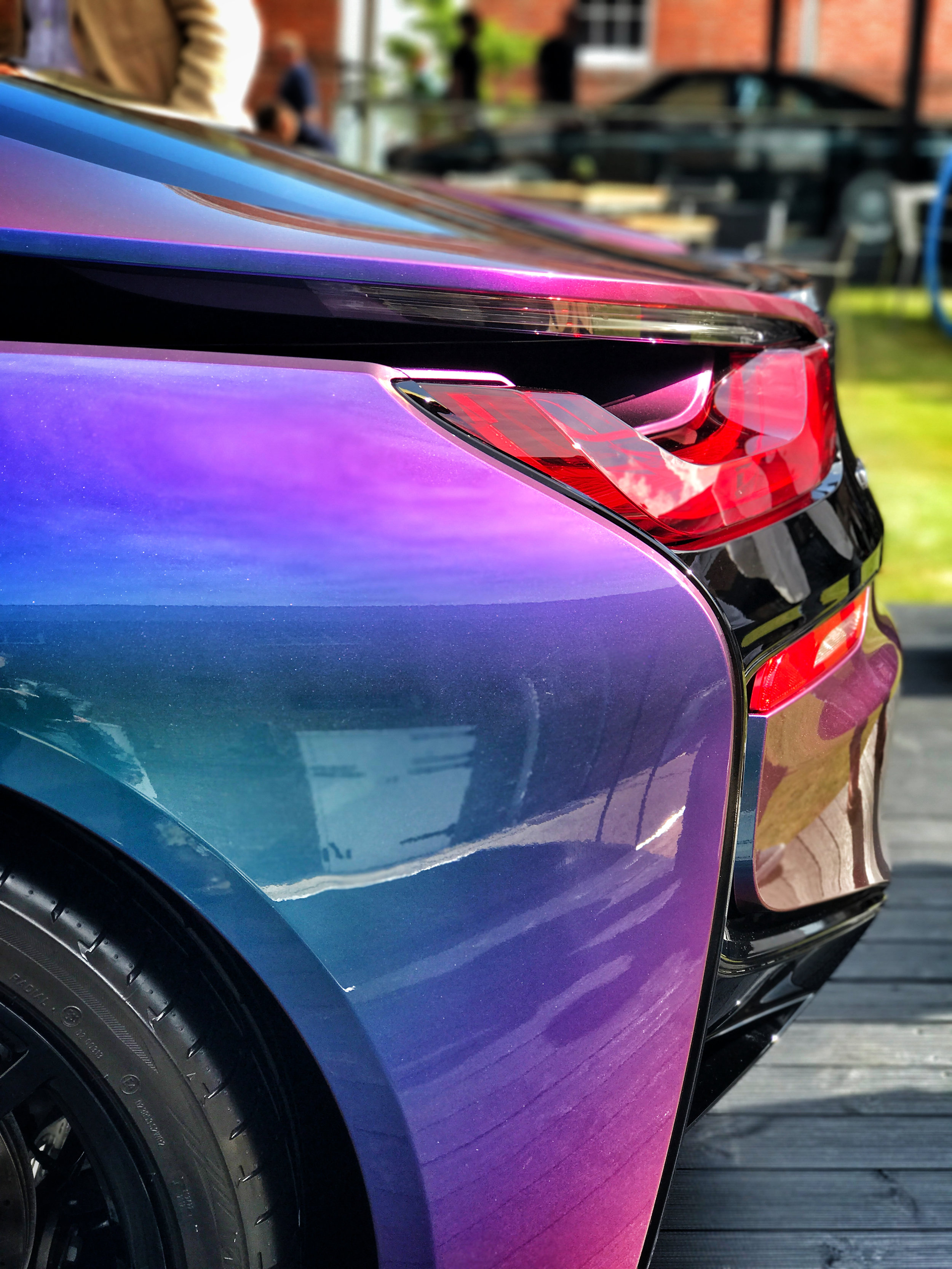
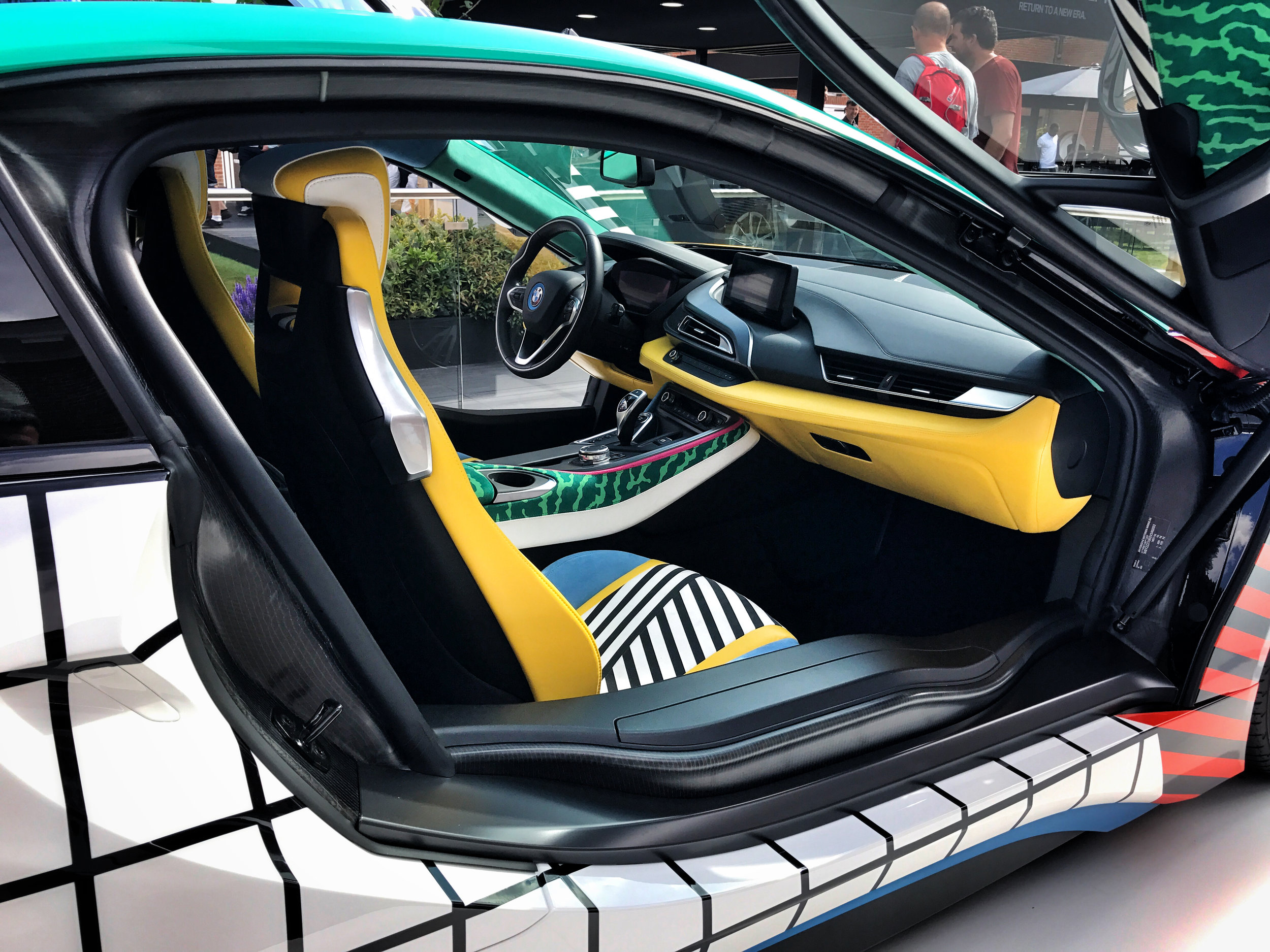
This sporting marque brought the beautiful 8 Series Concept to Goodwood, alongside the hybrid i8 supercar in some adventurous liveries. These halo models continue to filter their design inference down to the rest of the range and push technological development without sacrificing driving pleasure.

IMG_7424.JPG
IMG_7423.JPG
IMG_7427.JPG
IMG_7425.JPG
IMG_7424.JPG IMG_7423.JPG IMG_7427.JPG IMG_7425.JPG

Top Volume Auto Manufacturer > Renault

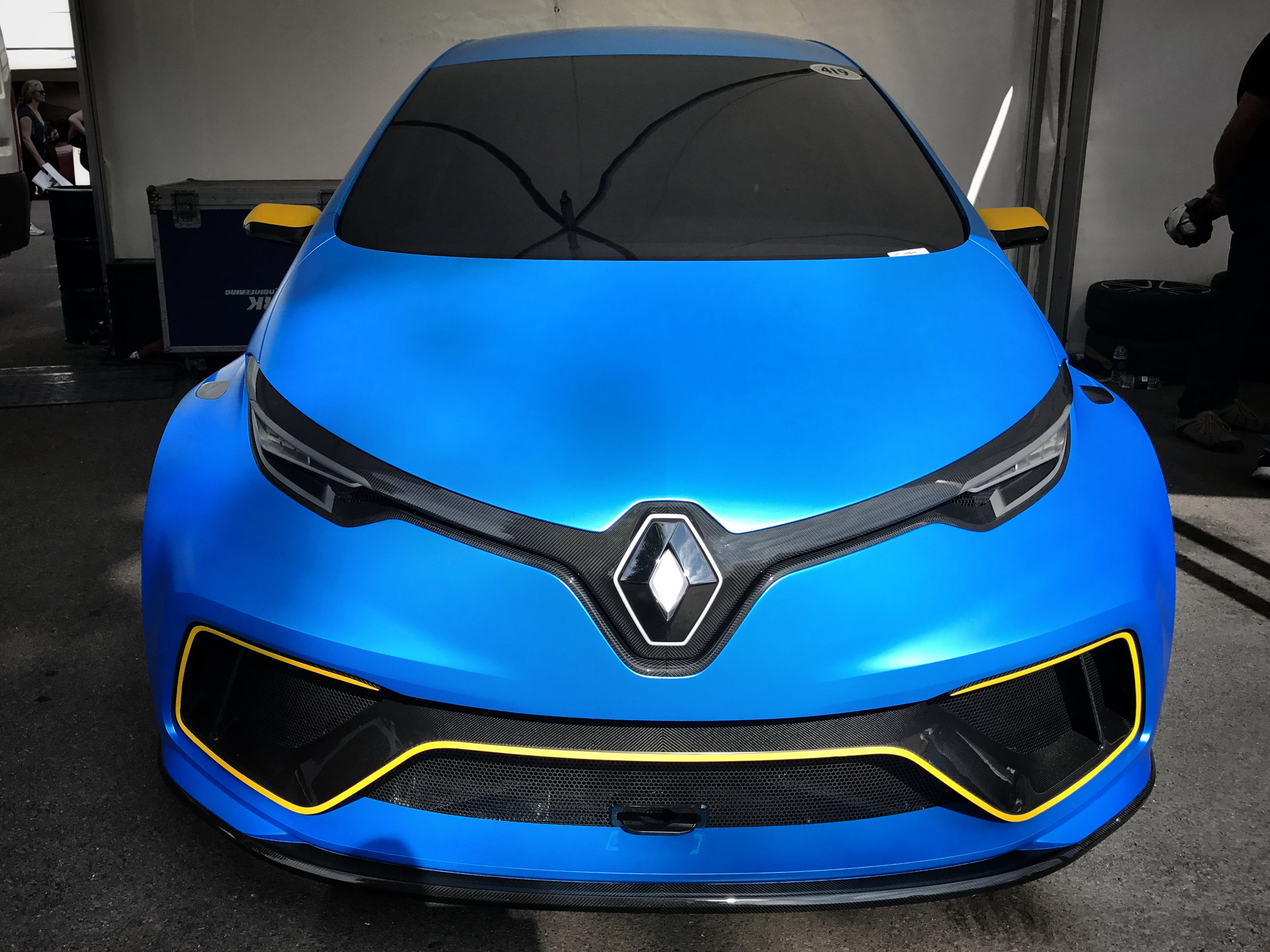
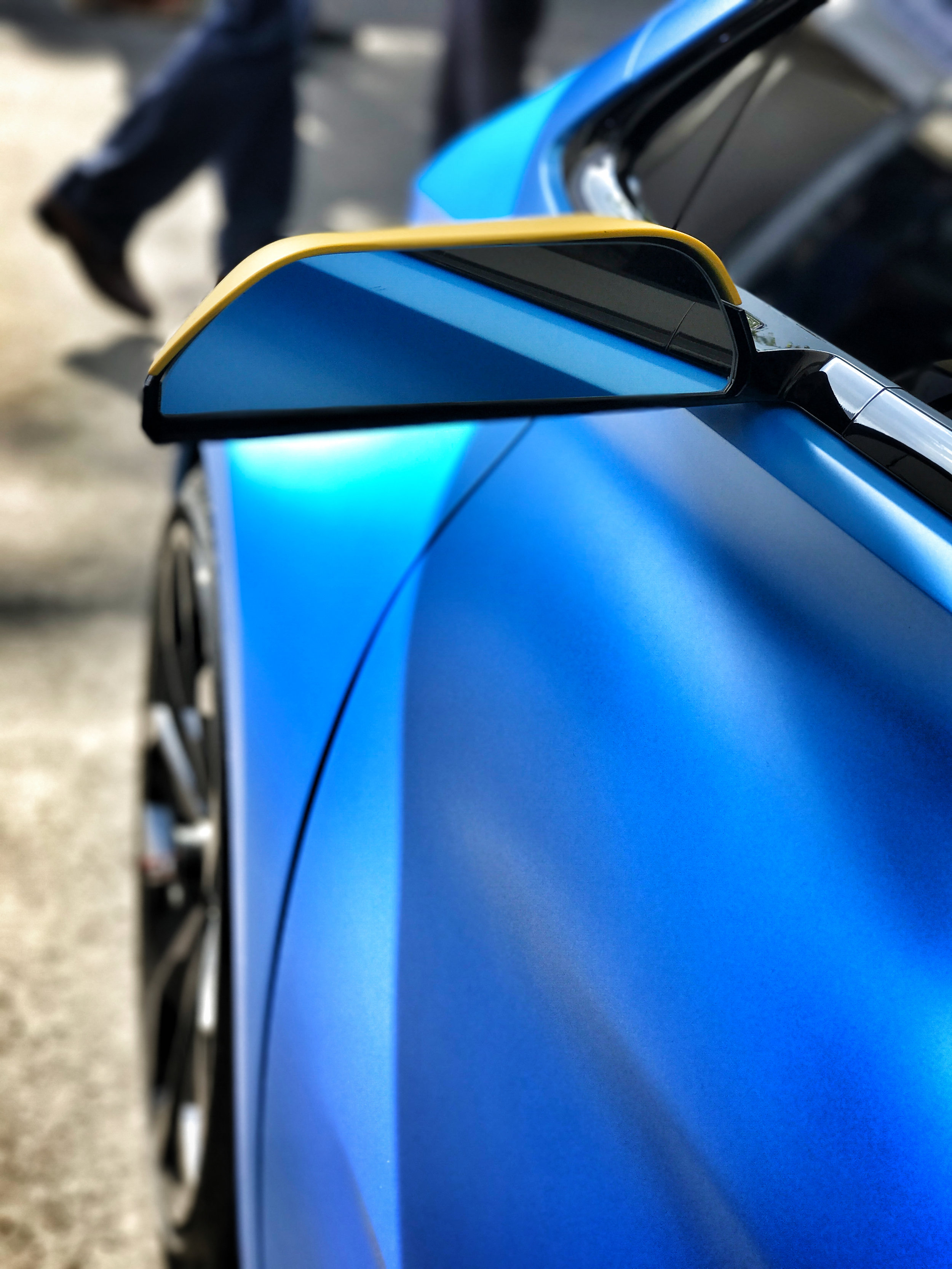
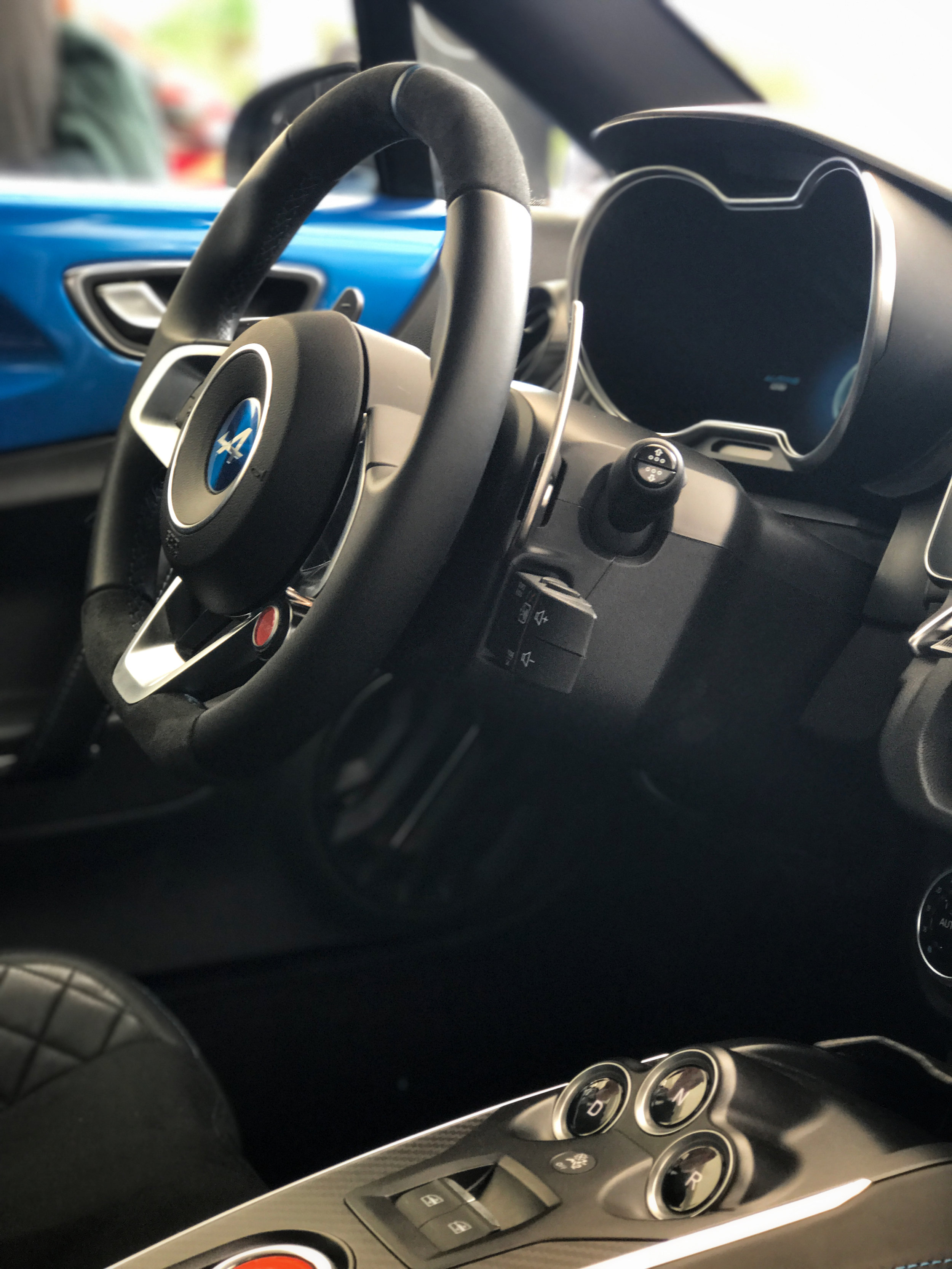
A great show for Renault! Not only hitting my top 4 with their R.S. 2027 Vision, but also bringing some EV madness in the shape of their ZOE eSport Concept and the Alpine compact supercar. I just wish the Zoe had been equipped with a stunning sound generator for the hill climb. Something to consider for Formula E where everything sounds like Scalextric cars when it has the potential to emulate Star Wars!

IMG_7420.JPG
IMG_7422.JPG
IMG_7421.JPG
IMG_7420.JPG IMG_7422.JPG IMG_7421.JPG

Here’s to Goodwood Festival of Speed 2018. We don’t need to wait to be excited though, these cars are amazing 365 days of the year!

tags: Goodwood Festival of Speed, Goodwood, cars, BMW, Renault, Jaguar, Roborace, Robocar, Aston Martin, RedBull
categories: Automotive, cars, Design, Innovation
Monday 07.03.17
Posted by Dean Johnson
 

IoC: Internet of Cars

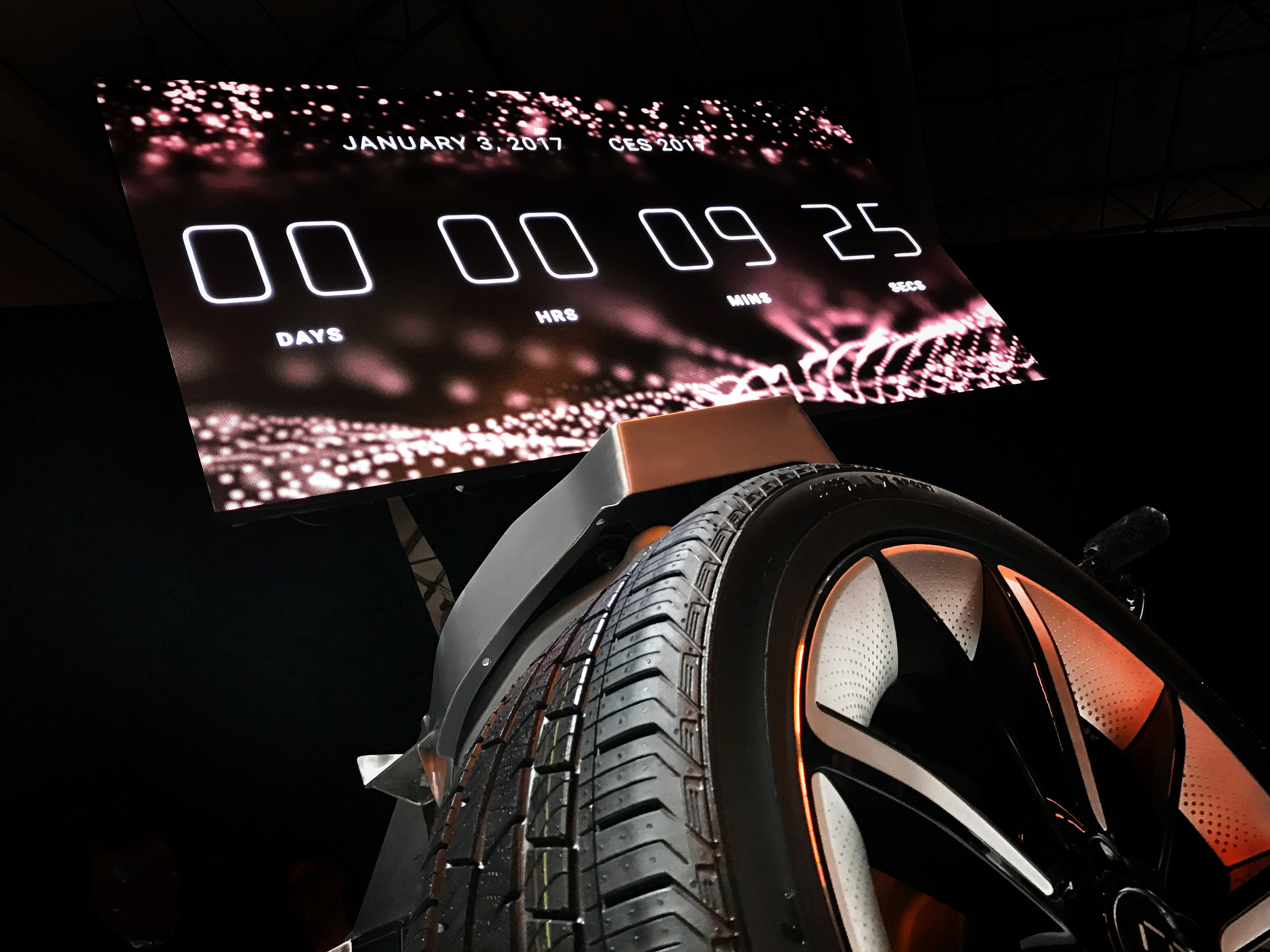
What’s the biggest auto show in the world? Geneva, Paris, Frankfurt, Detroit? Nope, with 180,000 attendees spread over 2.5 million sq ft, it’s CES in Las Vegas. Isn’t it full of robots, drones, augmented reality, touch screens and IoT? Yep, and so are the cars.

I’m not about to write a preachy outsider’s view of the automotive future or an insider’s defence of the industry – rather uniquely, I have feet placed firmly in both camps and a tattoo across my skull that reads ‘petrol head’.

OK, the tattoo’s on the inside and I actually like electric propulsion as well as exhaust sniffing. It’s a good job too as the main headlines at CES were all made by cars fuelled from the wall, not the pump.

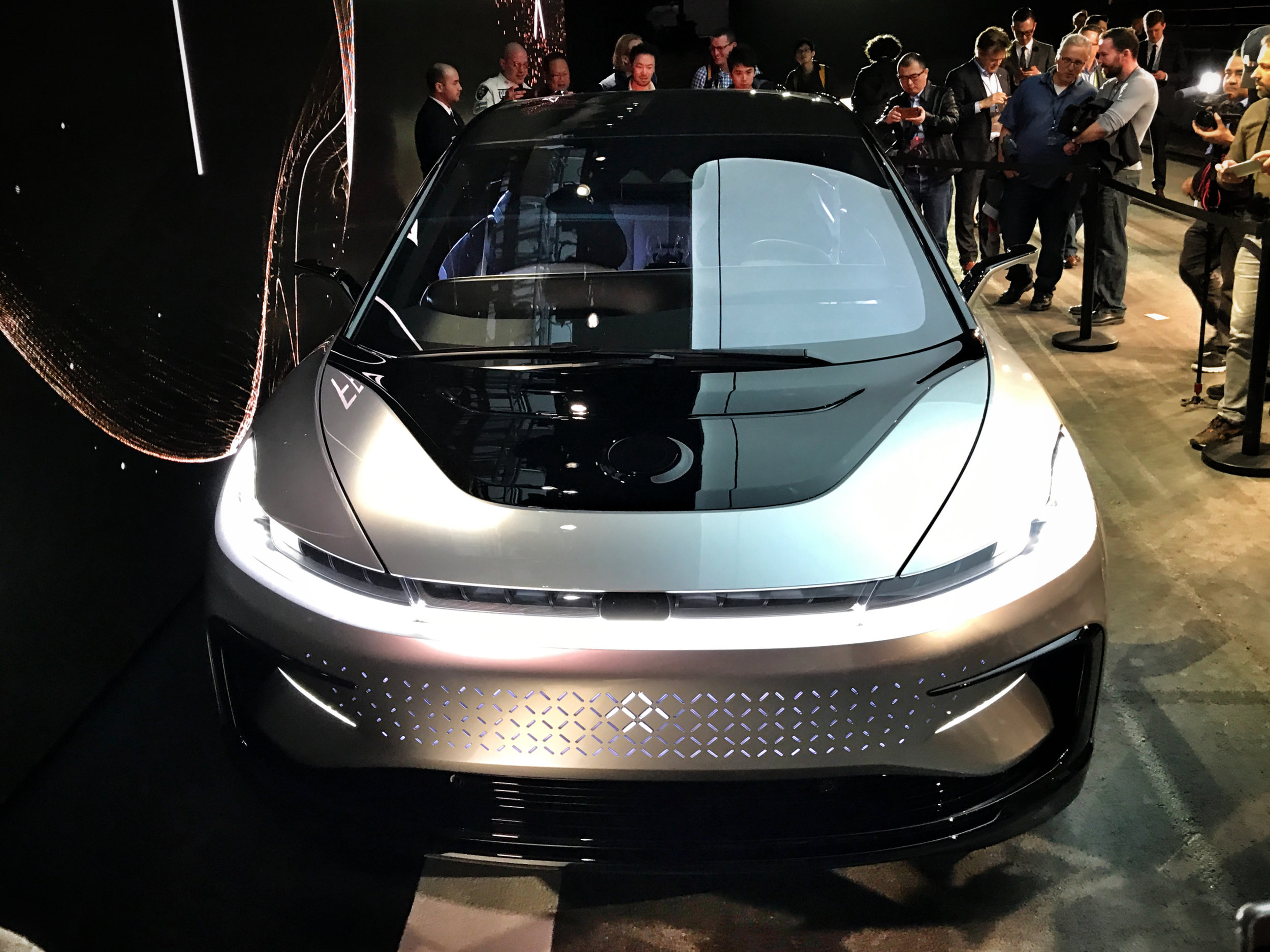
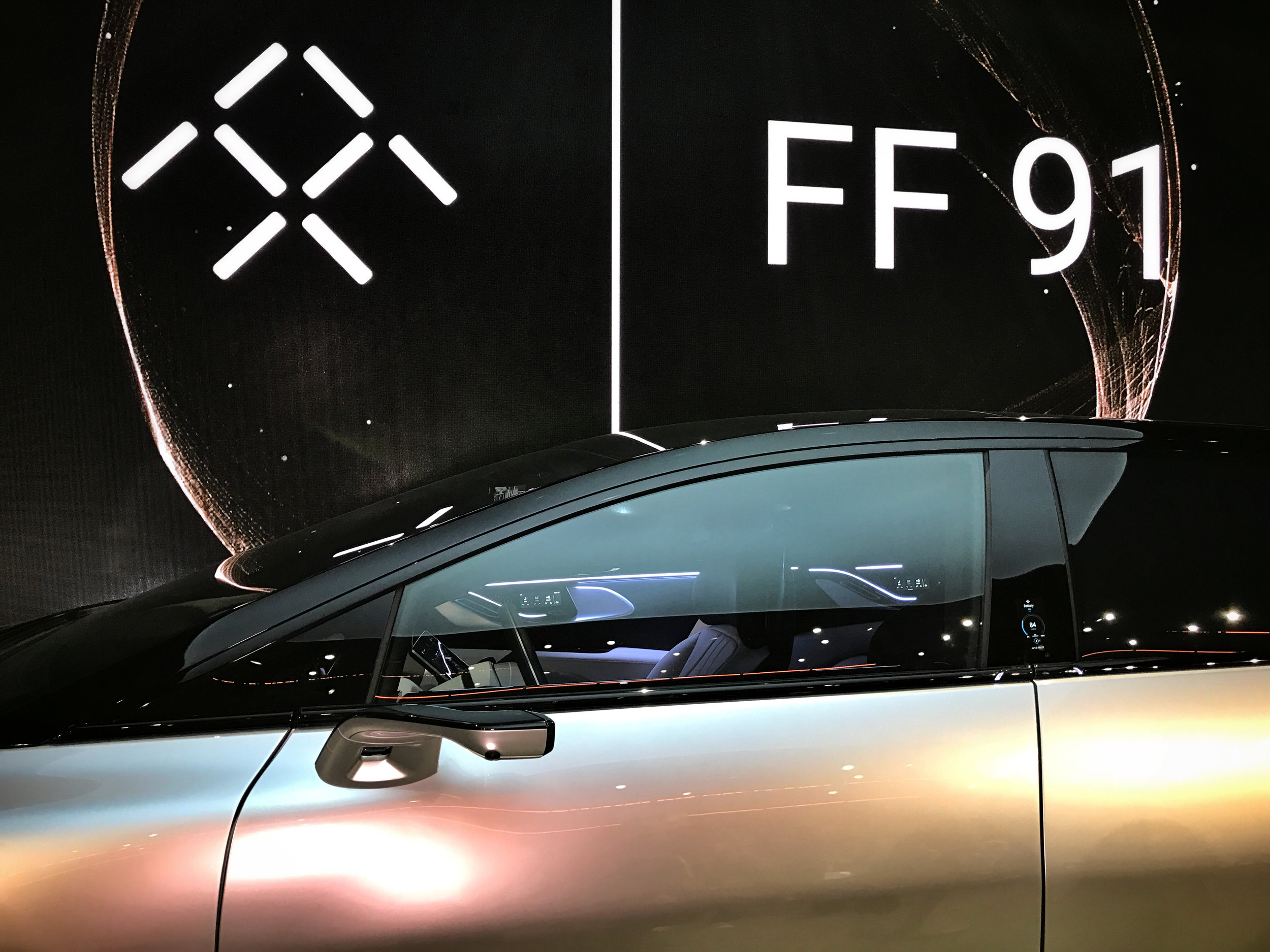
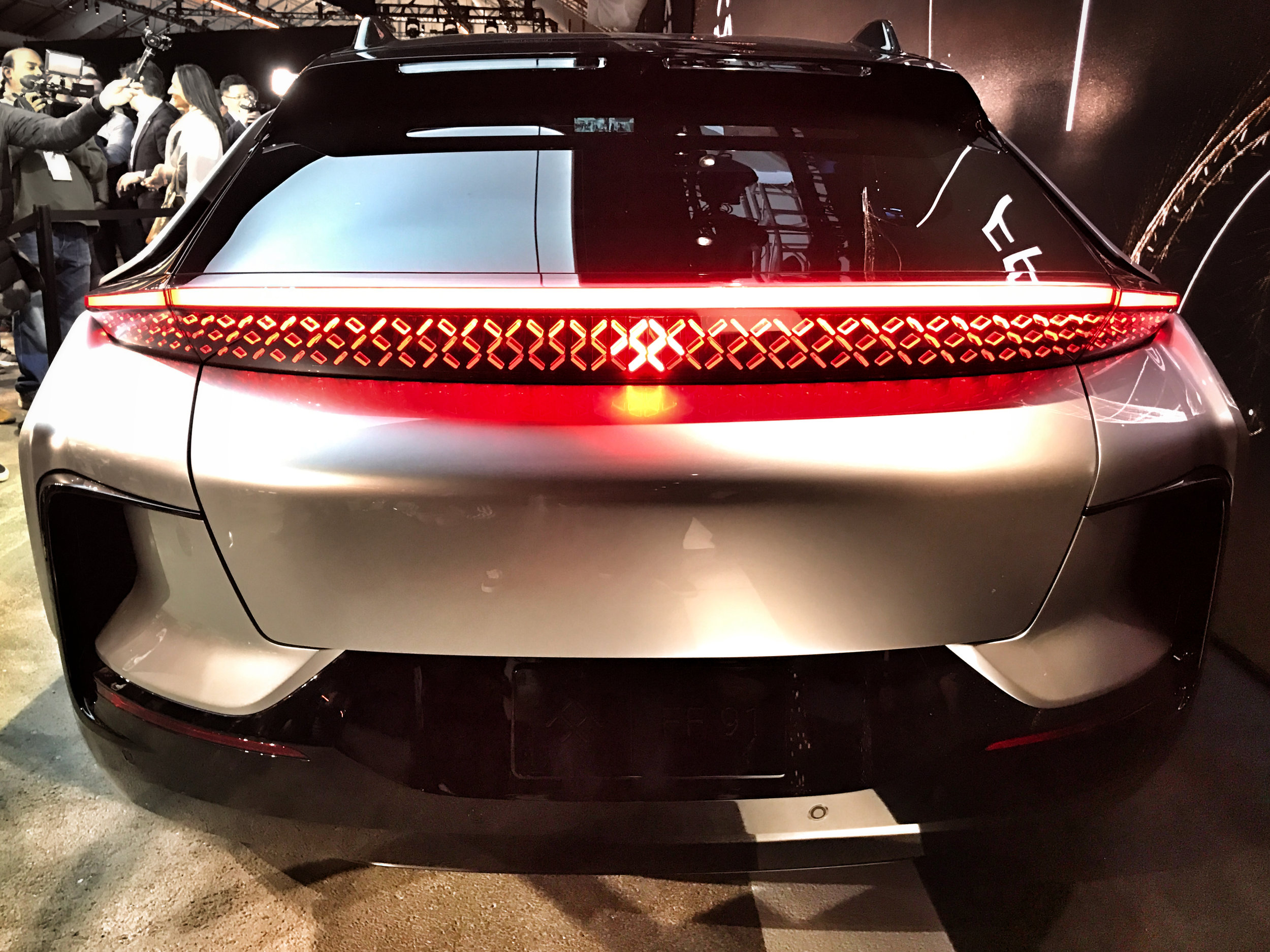
Faraday Future made a triumphant return to the Nevada stage with their FF 91 at a glitzy live-streamed event. Last year they revealed a concept resembling the Batmobile, twelve months later, it was a far more practical SUV.

For all the glamour, slick branding and live theatre, the focus was on a record attempt – could the new FF 91 beat the Bentley Bentayga, Ferrari 488 GTB and Tesla Model X from 0-60mph? It did, by 0.01sec, hitting the mark in 2.39 sec. I’m not convinced many in the audience bought into the line that someone torn between the Ferrari and the FF 91 would choose the SUV over the supercar based on a straight line dash. Show them both a series of twisting corners and see who emerges at the other end with a smile on their face and who has their half-digested lunch in their lap.

IMG_2115.JPG IMG_2163.JPG IMG_2164.JPG IMG_2167.JPG

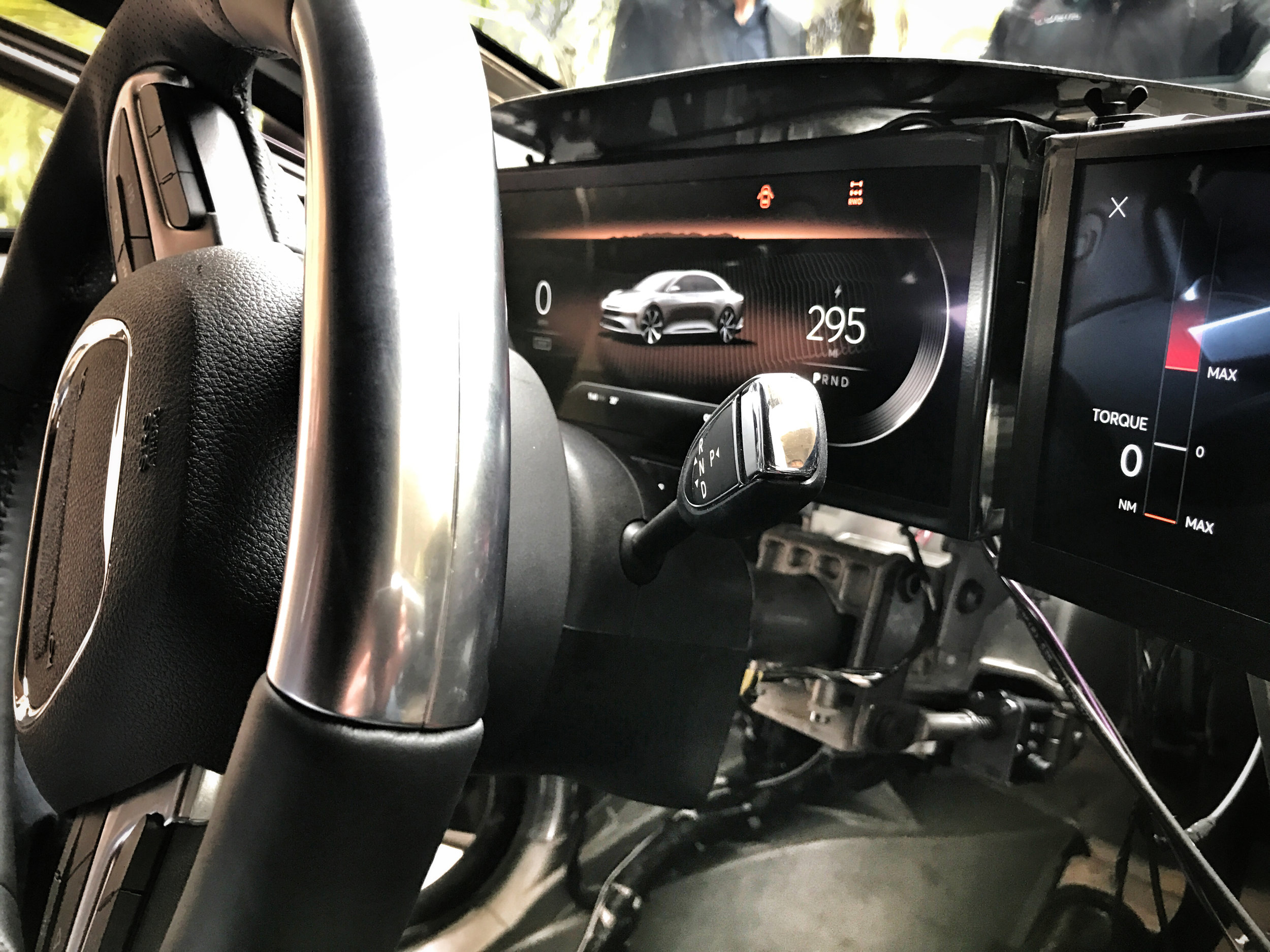
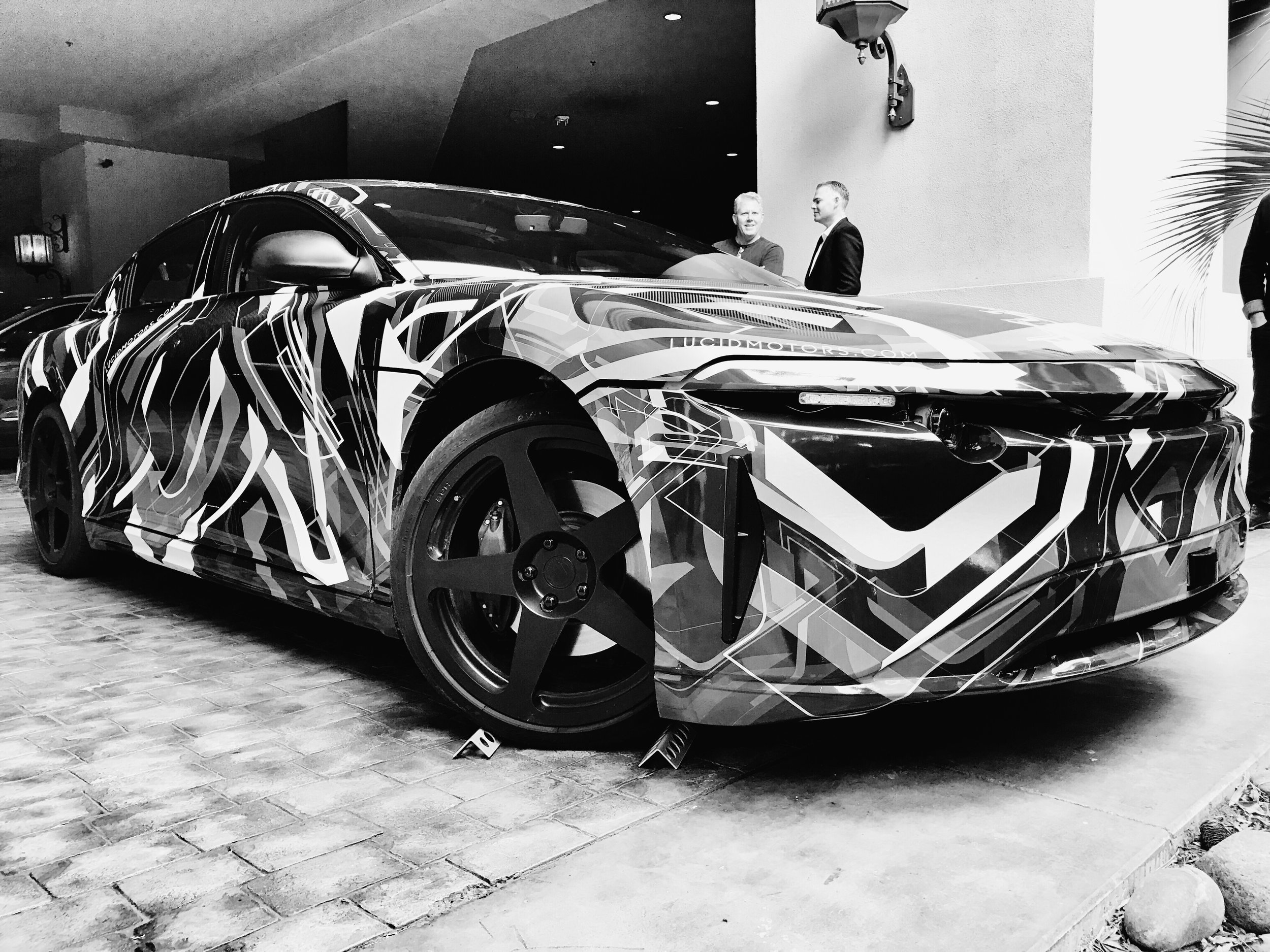
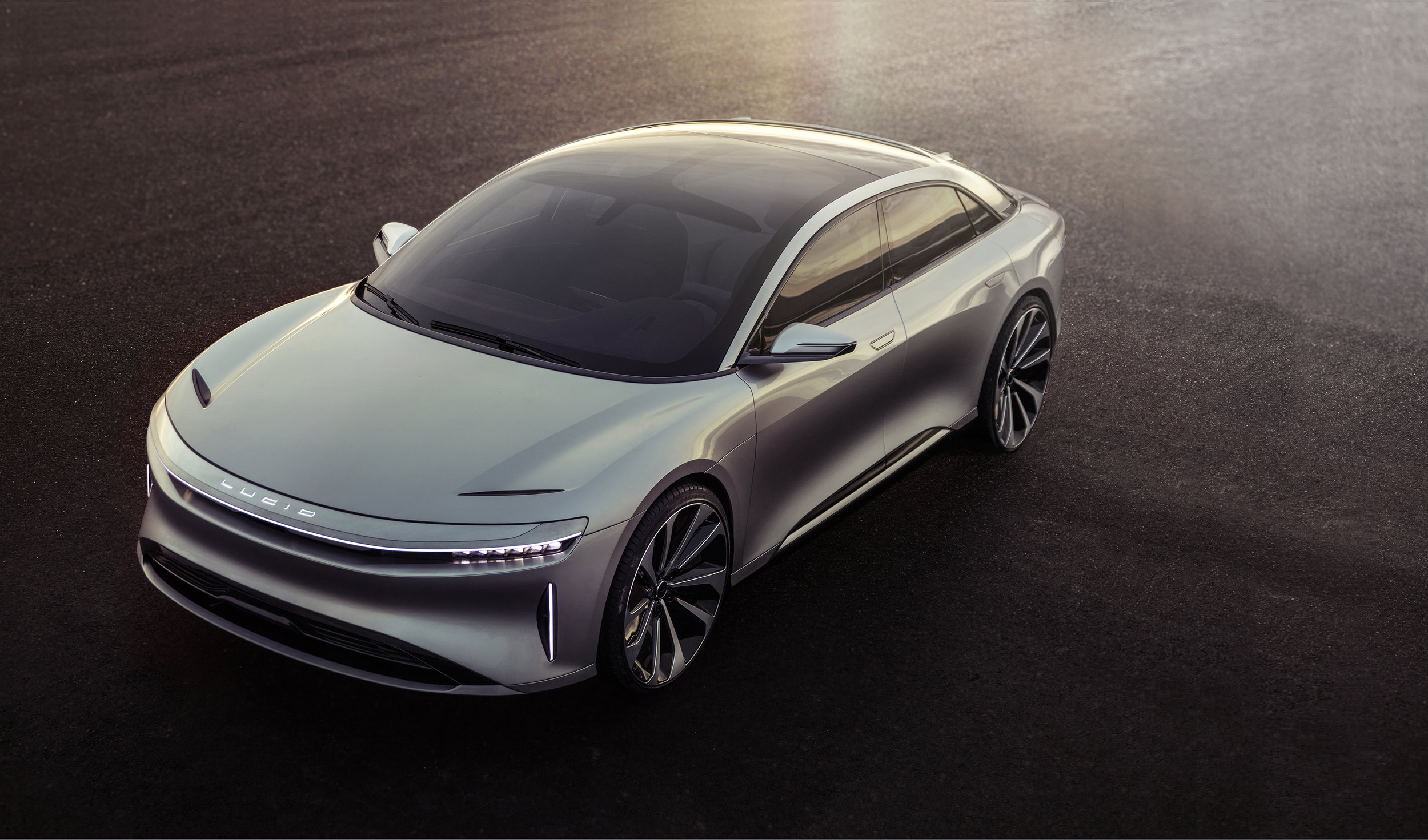
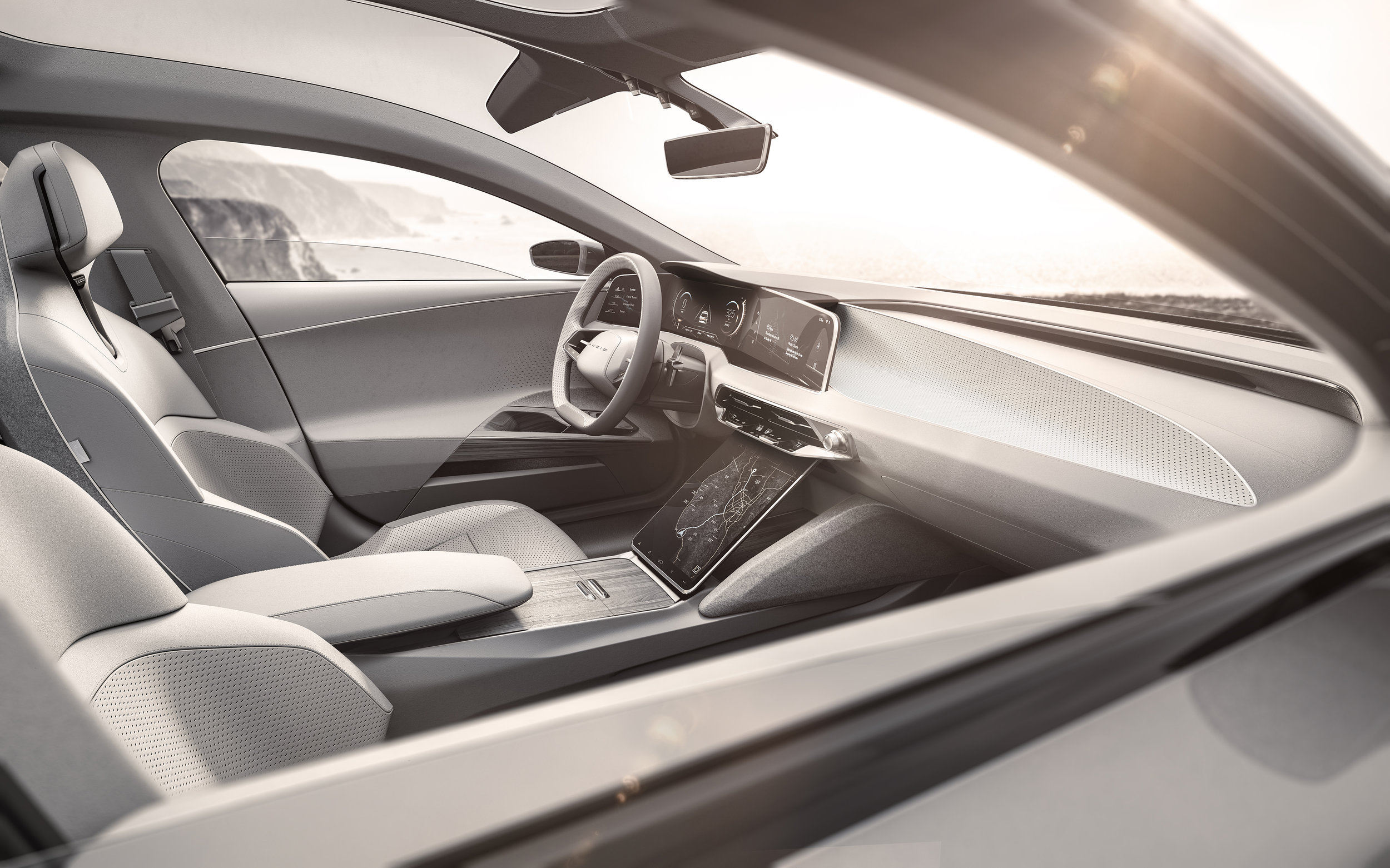
Speaking of smiling faces, that’s exactly what I’d had earlier the same day as I spent quality time with the team from Lucid Motors – another EV startup focused on disrupting the automotive industry. Their forthcoming ‘Air’ also makes a fast dash from 0-60 but the story behind it is one of driving dynamics, rather than straight line bragging rights. Lucid’s CTO Peter Rawlinson, formerly Chief Engineer at Tesla and Lotus, put forward a strong case for his passionate team of 300+ employees and why they’re convinced driving and design appreciation will be just as important as battery range and autonomous tech to the Lucid audience.

Rawlinson believes their battery, developed in partnership with Samsung SDI, is a genuine differentiator in a new world of range anxiety. “It’s not just about distance, but sustained range. The breakthrough cell density is resistant to battery charge depletion usually experienced with repeated fast-charging.” The automotive industry faces many of the issues we already encounter with our personal technology, such as connectivity and mobile phone batteries caught in a recharging memory cycle of decreasing shelf life – not something we’ll tolerate when spending $100,000+ on a luxury car.

IMG_2104.JPG IMG_2159.JPG 020a12_c1661576311d48cbb2e98acc04be6af0~mv2_d_3240_1907_s_2.jpg 020a12_b24c7ff31f934612ae3b91039dfad296~mv2_d_3733_2333_s_2.jpg 020a12_f882a74d4dad47b3b5b4b75ef618db5f~mv2_d_5792_3861_s_4_2.jpg

VP of Design, Derek Jenkins, former Director of Design at Mazda and VW told me he’d relished the creative challenges when starting with an automotive clean sheet. Sensors for autonomous driving need to be integrated, rather than added to a familiar silhouette and the interior design maximises the space around the electric drivetrain, rather than one inherited from the mechanical components of a traditional combustion engine.

It’s Rawlinson’s engineering appreciation and Jenkins’ design skills that brought the aforementioned smile to my face as we headed out onto the dusty Vegas roads in a development prototype. Peter eagerly hanging the back end out at every opportunity, putting that passion for driving into action!

Lucid now needs to start work on their $700M Arizona factory. This has been previously misreported as a similar model to Faraday Future’s, with funds coming from their own Chinese billionaire – not so, as Rawlinson stressed “this is an American company.” Despite their intentionally understated message, they seem to be heading in the right direction at the right speed as the Air is slated for production in 2019, with first year projections of 8-10k units, rising to 50-60k.

Although Lucid seems to be on track, Faraday’s FF 91 still lacks one important ingredient – money. Vital funds need to be released by Chinese backer, Founder and CEO of LeEco Jia Yueting so work can resume on their Nevada factory. Many keep referring to Faraday Future as the ‘Tesla killer’ as if this is a good thing. It’s not, and Elon Musk has frequently said the industry needs many EV-first players to shake up the competition, not kill it!

So where does this leave everyone else? Ford, Nissan, Toyota, Honda, Hyundai, Mercedes and others had CES concepts to show off their latest vision for the future of vehicle connectivity – inside and out – and how they’ll all drive themselves, but BMW took out the most real estate.

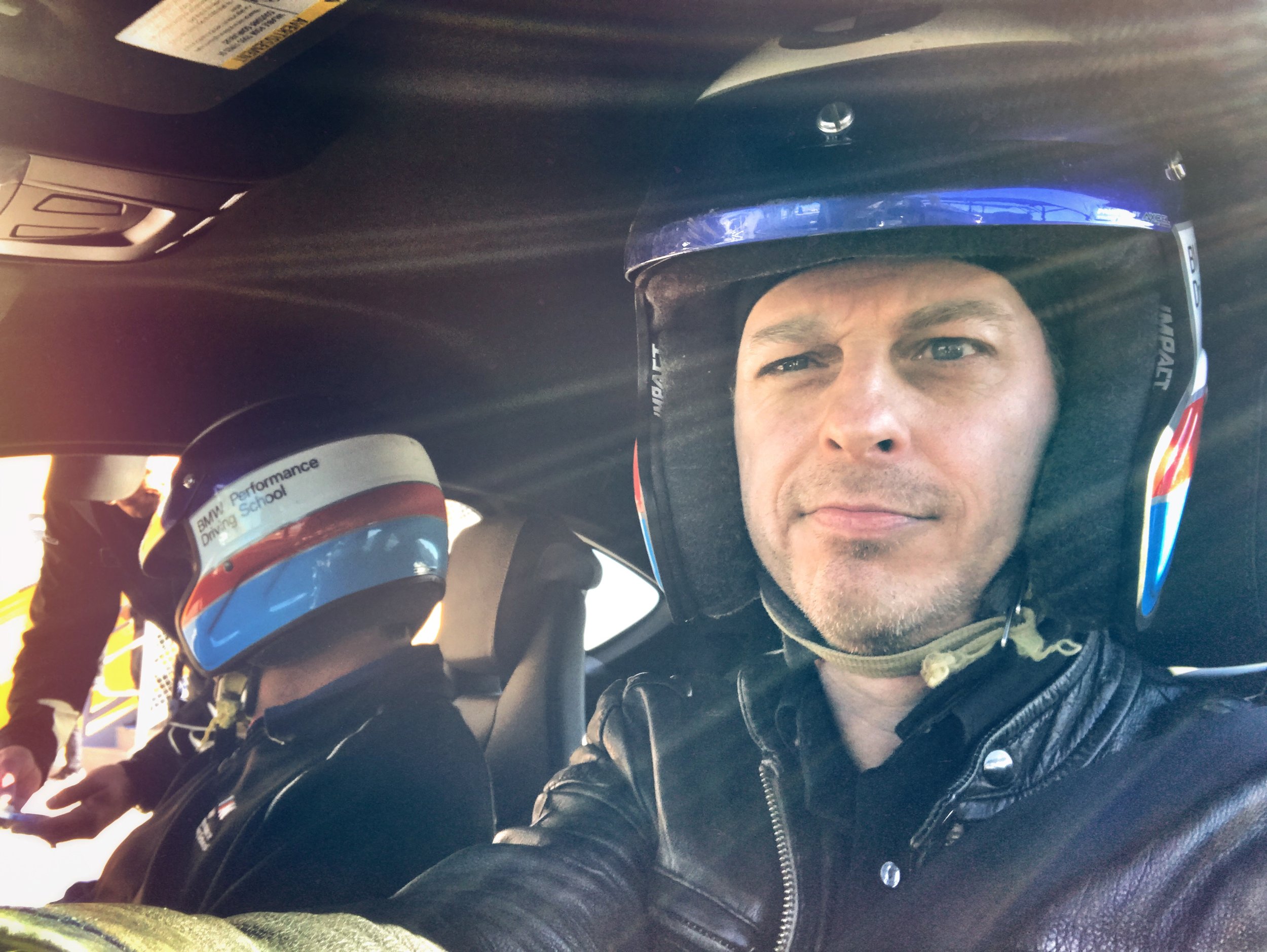
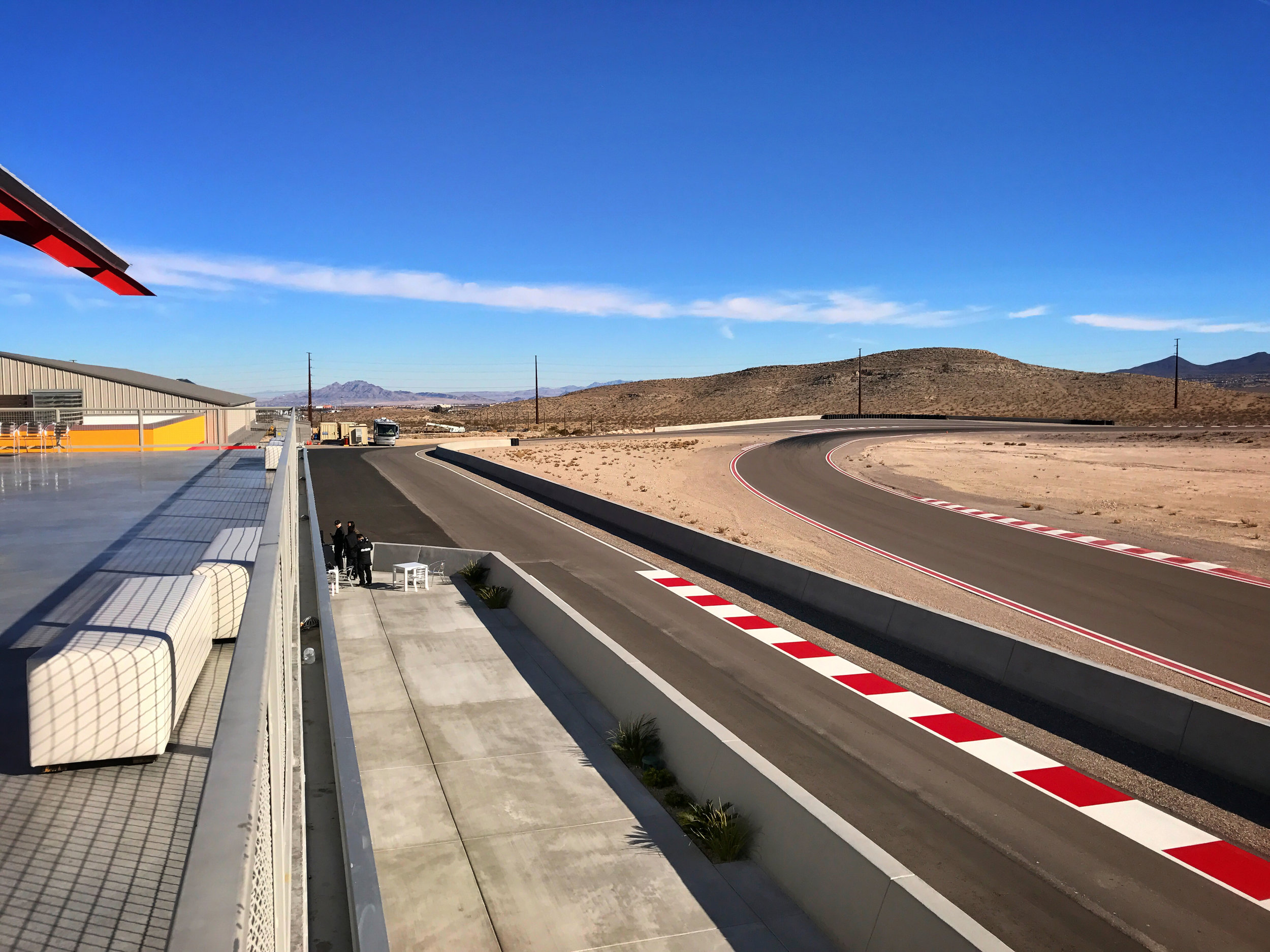
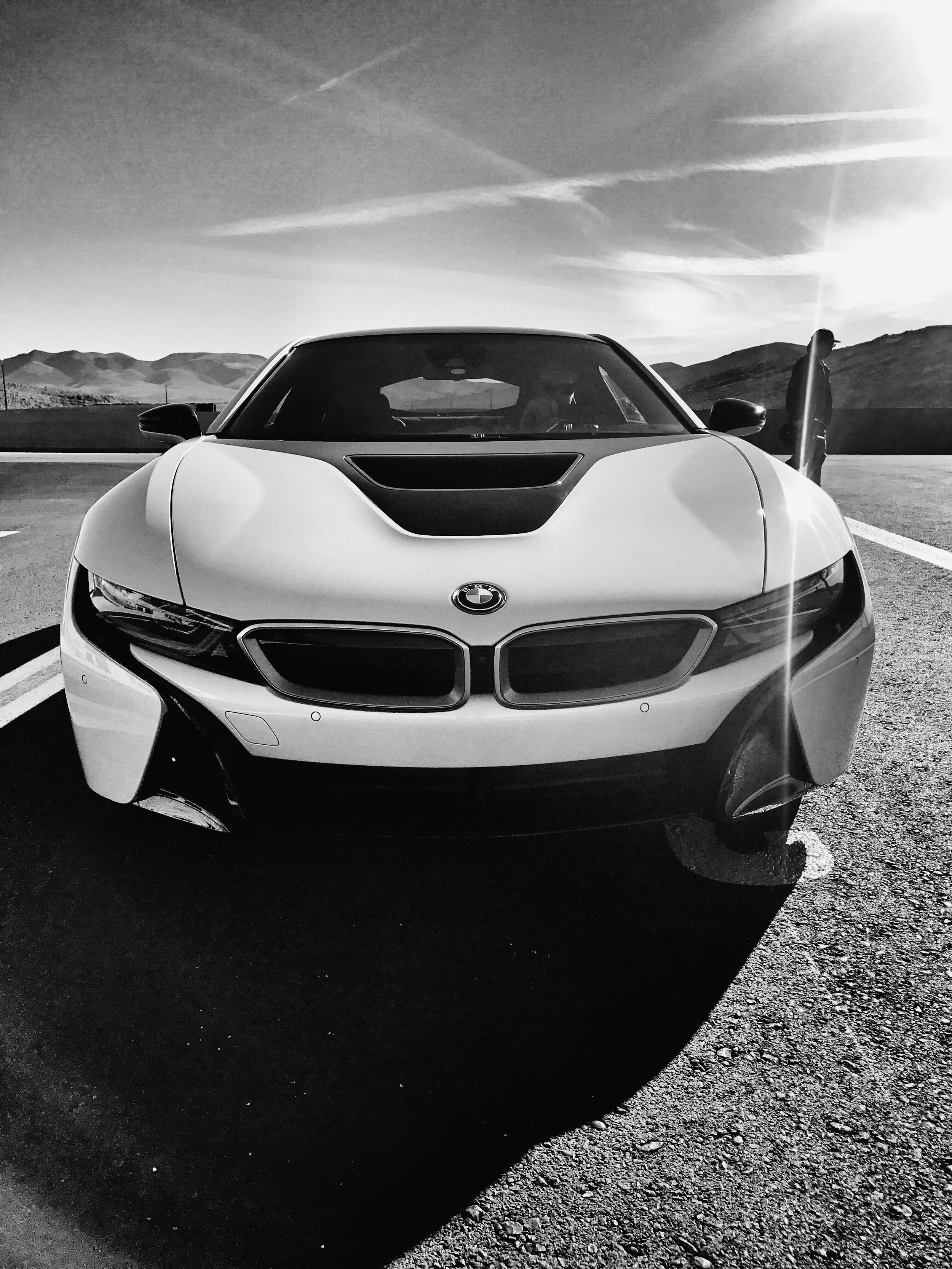
Here I put my cards on the table as I drive a BMW, but it’s a petrol model and I haven’t made the jump to hybrid or electric yet as I’m still addicted to their turbocharged straight six. However, this doesn’t stop the Bavarians from trying to tempt me into an ‘i model’ every year at CES. In 2015, I piloted BMW’s petrol-electric supercar around the streets of Vegas. This year, they drove me to the ‘Speed Vegas’ desert racing circuit in an i3, then let me loose in an i8 around the track!

IMG_2620.JPG IMG_2618.JPG IMG_2623.JPG IMG_2365.JPG IMG_2367.JPG IMG_2364.JPG

Compared to Faraday Future and Tesla’s unnatural obsession with straight line speed, this track session was a superb way to demonstrate the benefits of a car that is just as comfortable in the corners as the straights – and that’s a fun vision for the future!

And that future isn’t all about speed and performance. All manufacturers need to connect – with devices, the consumers that use them and the world around us. We already have a reasonable expectation that our phones will talk to our cars and in doing so, will add functionality. When our cars become fully autonomous, the safety restrictions fall away and we’ll demand entertainment, office functionality and more.

More? Well, I spoke at FutureFest in London last year and Cindy Gallop was on stage before me, talking about the statistics for sex in cars. It’s higher in countries where larger families share smaller houses as the car naturally presents an intimate space – but auto manufacturers continually fail to recognise this. Imagine the potential to relieve the boredom of a long autonomous journey with some connected sexy times. Auto brands take note, if the car is rockin’ time to come knockin’.

The very public message from the car companies at CES was “we’re in control”. This is true to a point, but it’s mostly tinged with an air of panic as they all know the future can’t be delivered overnight. Many believe their music and movie-streaming audience will no longer wish to drive or own cars and this is increasingly the message from industry analysts. But this is mostly educated guesswork and the future isn’t predetermined so the automotive business needs to give its customers a reason to love their products, want to drive them (when not having sex) and make them their own.

The only way to do this is to connect to the future audience – the ones who currently have no concept of car ownership and have never even gripped a steering wheel. Don’t neglect existing customers, but enlist their help as they’re the drivers, owners and brand advocates that can help to share the reasons we choose a Union Jack roof for a MINI, spec 20” alloys on an Audi, tick the box for red stitching with black leather on an Alfa, and take a deep breath of ‘new car smell’ when we drive away from a dealership.
I’m a petrol head for life, even if we replace the petrol with a plug socket, the dashboard with an iPhone and the dealership with a VR headset.

tags: CES, CES 2017, Vegas, Las Vegas, Faraday Future, Lucid Motors, BMW, BMW i8, EV, autonomous driving, Connected Car, innovation, IoT, AI, automotive
categories: Automotive, cars, Connected World, Design, Futurology, Gadget, Innovation, Mobile technology
Wednesday 01.11.17
Posted by Dean Johnson
 
Newer / Older

Designing the Future